Winter Waterproofing: Preparing LI Foundations for Freeze-Thaw

Professional painters in Long Island, NY applying smooth blue trim on a freshly painted wall, creating a clean, modern finish for the home interior

Summary:

Long Island’s winter weather creates a perfect storm for foundation damage. Temperatures that swing between freezing and thawing cause water in foundation cracks to expand and contract, widening damage exponentially. This guide explains how freeze-thaw cycles specifically impact Nassau and Suffolk County homes, what signs indicate your foundation needs attention before winter, and why preparing now prevents expensive spring repairs. Whether you’re dealing with hairline cracks or want to prevent future damage, understanding Long Island’s unique climate challenges is your first step toward protecting your home.
Table of contents
Your foundation doesn’t get a break when temperatures drop. If anything, winter is when it faces its toughest test. Here on Long Island, we don’t get the luxury of consistent cold—our winters swing between freezing nights and milder days, sometimes within hours. That constant back-and-forth? It’s exactly what damages foundations. Water seeps into small cracks, freezes overnight, expands, and pushes those cracks wider. Then it thaws, contracts, and the cycle starts again. By spring, what started as a hairline crack can become a serious structural problem. This isn’t about fear—it’s about understanding what winter does to foundations in Nassau County, NY and Suffolk County, NY, and what you can do about it before the damage compounds.

How Freeze-Thaw Cycles Damage Long Island Foundations

The science is straightforward but the consequences aren’t small. When water freezes, it expands by roughly 9%. That might not sound like much until you realize that expansion is happening inside your foundation’s pores and cracks, pushing outward with enough force to break concrete and widen existing damage.

Long Island’s winter temperatures typically hover between 20°F and 40°F, creating the perfect conditions for repeated freeze-thaw cycles. We’re not talking about one freeze and one thaw per season—we’re talking about dozens of cycles as temperatures fluctuate day to day, sometimes even within a single 24-hour period. Each cycle makes the next one worse.

Water finds its way into a small crack. It freezes overnight, expanding and pushing the crack wider. During the day, temperatures rise, the ice melts, and more water seeps into that now-larger opening. The next night, even more water freezes and expands. It’s a process that accelerates itself, and by the time spring arrives, minor cracks have become major structural concerns.

Why Long Island's Climate Makes Freeze-Thaw Worse

Not all winter climates create equal foundation risk. Areas that stay consistently frozen actually experience less freeze-thaw damage than regions like ours where temperatures constantly cross the freezing threshold. That’s the problem with coastal New York winters.

Long Island sits in a unique position. We’re coastal, which means we get the moderating effects of the Atlantic Ocean—milder winters than inland New York, but with a catch. That moderation creates temperature swings. A cold front moves through and we’re at 18°F. Two days later, we’re back at 42°F. This isn’t occasional—it’s the pattern throughout winter. Your foundation goes through the wringer.

Add to that our coastal humidity and you’ve got another problem. There’s more moisture in the air, more precipitation, and more water available to seep into foundation materials. When that moisture-laden concrete goes through freeze-thaw cycles, the damage intensifies. It’s not just cold—it’s wet cold.

Then there’s our soil. Nassau County, NY and western Suffolk tend to have different soil compositions than eastern Suffolk County, NY. Sandy soil near the coast drains differently than clay-heavy soil inland. Some areas were built on fill rather than bedrock. These variables affect how water moves around your foundation, how much hydrostatic pressure builds up, and how vulnerable your specific property is to freeze-thaw damage. A foundation in Long Beach faces different challenges than one in Syosset, even though they’re both dealing with the same general winter weather.

The water table matters too. Long Island has areas with naturally high water tables, meaning there’s more groundwater around your foundation to begin with. When that water freezes in the soil around your foundation walls, it can create frost heave—upward pressure that literally lifts and shifts your foundation. Combine frost heave with freeze-thaw cycles in the foundation material itself, and you’re looking at damage from multiple directions. It’s why we see so many calls come spring.

What Freeze-Thaw Damage Actually Looks Like

Knowing what to look for makes the difference between catching a problem early and dealing with a crisis in March. Freeze-thaw damage doesn’t always announce itself with obvious signs, especially in the beginning. But the signs are there if you know where to look.

Start with cracks. Vertical cracks in poured concrete foundations are common and often less concerning structurally, but they’re still entry points for water. If you notice a vertical crack that seems wider than it was a few months ago, that’s freeze-thaw expansion at work. Horizontal cracks are more serious—they often indicate pressure from the outside pushing inward, which can happen when soil freezes and expands against your foundation wall. Stair-step cracks in block foundations follow the mortar joints and suggest uneven settling or shifting, often made worse by freeze-thaw cycles. None of these fix themselves.

But cracks aren’t the only sign. Look for spalling—that’s when the surface of your concrete starts flaking or peeling away. It happens when water gets into the concrete, freezes, and pops off the outer layer. You might see it near the top of your foundation where it’s most exposed to temperature changes. It looks cosmetic at first, but it’s telling you water is getting in and freezing.

Inside your basement, check for dampness or water stains, especially after a thaw. If you’re seeing moisture where you didn’t before, it means water found a new path in, likely through cracks that widened over winter. Efflorescence—that white, chalky residue on concrete—is another telltale sign. It appears when water moves through concrete and deposits minerals on the surface. More efflorescence this winter than last winter? That’s more water movement, probably through expanding cracks.

Don’t ignore musty smells either. If your basement smells different this winter, it could mean moisture is getting in where it wasn’t before. That moisture creates conditions for mold, and mold in winter suggests a crack or gap that’s letting in cold, damp air along with water. Your nose knows before your eyes do sometimes.

Pay attention to doors and windows too. If a basement door that used to close fine now sticks, or if windows seem harder to open, it can indicate your foundation has shifted. That shifting often happens gradually through repeated freeze-thaw cycles that move the foundation incrementally over time. Small movements add up.

Preparing Your Foundation Before Winter Hits

Prevention works better than reaction, especially with freeze-thaw damage. Once winter starts its cycle, you’re in damage control mode. But if you prepare before temperatures start dropping consistently, you can head off most of the problems. Fall is your window.

The first step is inspection. Walk around your foundation—both inside the basement and outside around the perimeter. Look for any cracks, no matter how small. Mark them, measure them, take photos. This gives you a baseline. If you’re not sure whether a crack is new or old, monitoring it for a few weeks in fall will tell you if it’s growing.

Sealing cracks before winter is critical. Even hairline cracks let in water, and water is what drives freeze-thaw damage. For small cracks, hydraulic cement or epoxy sealants work well. For larger structural cracks, you need professional assessment and repair. Don’t assume a crack is cosmetic—get it checked. The cost of sealing now versus repairing later isn’t even close.

A person wearing an orange hard hat and yellow gloves crouches down, using a brush to apply material to the base of a concrete wall at a construction site.

Drainage: Your First Line of Defense

Water can’t freeze in your foundation if it never gets there in the first place. That’s where drainage comes in, and it’s not glamorous, but it’s essential. Most foundation problems start with water that shouldn’t be there.

Gutters and downspouts are your home’s primary defense against water pooling near the foundation. Clean them out completely before winter. Leaves, debris, and dirt create blockages that cause water to overflow and dump right next to your foundation. When that water freezes, it expands in the soil and pushes against your foundation walls—exactly what you’re trying to avoid. Clogged gutters defeat the whole purpose.

Downspout extensions matter more than most people realize. If your downspouts dump water within a few feet of your foundation, you’re creating the problem you’re trying to prevent. Extend them at least six to ten feet away from your house. The farther you can move that water, the less hydrostatic pressure builds up against your foundation walls. It’s a simple fix that prevents major damage.

Grading is another piece most homeowners overlook. Your yard should slope away from your foundation—at least six inches of drop over ten feet is the standard. If water pools near your foundation after rain, your grading isn’t right. Fixing it might mean adding soil and reshaping the grade around your house, but it’s worth it. Water that runs away from your foundation can’t freeze against it. Gravity is free—use it.

French drains and perimeter drainage systems take this a step further. A French drain is basically a gravel-filled trench with a perforated pipe that collects water and diverts it away from your foundation. If you’re in an area with a high water table or heavy clay soil that doesn’t drain well, a French drain can make the difference between a dry basement and a flooded one come spring thaw. In Nassau County, NY and Suffolk County, NY, where soil types vary so much, drainage systems need to match local conditions.

Sump pumps are your backup when water does get in. Test yours before winter. Pour water into the sump pit and make sure the pump kicks on and discharges properly. If you don’t have a battery backup, consider adding one. Power outages during winter storms are common, and a sump pump that can’t run during a thaw is useless. It’s cheap insurance.

Window wells around basement windows are another vulnerability. Make sure they have proper drainage and covers. Water that collects in a window well and freezes can crack the window or seep through gaps around the frame. A $30 window well cover prevents a $3,000 problem.

Waterproofing Solutions That Work in NY Winters

Waterproofing isn’t one-size-fits-all, especially in a climate like Long Island’s. What works for a foundation in a dry climate won’t necessarily hold up here where we deal with coastal humidity, fluctuating temperatures, and varying soil conditions. You need solutions built for this environment.

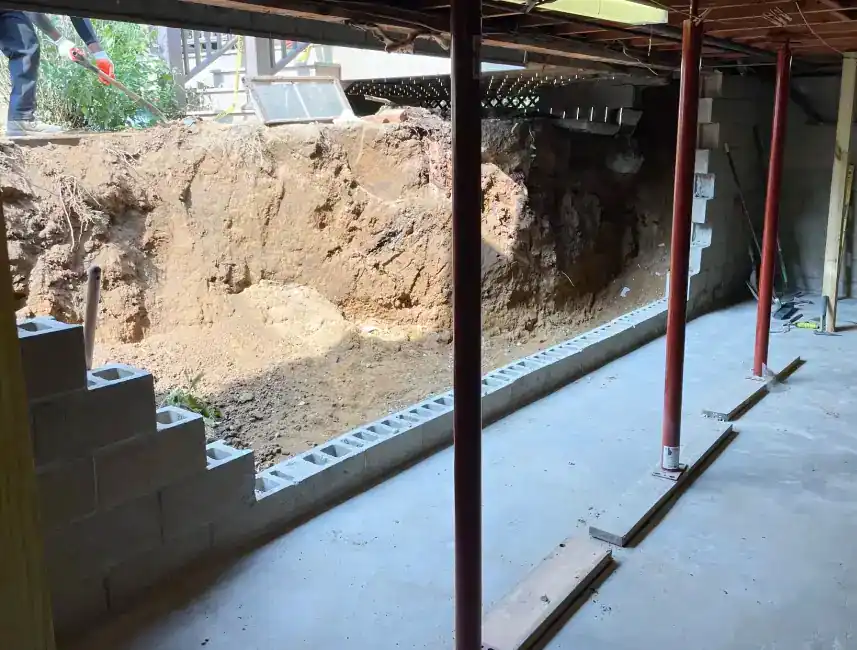
Exterior waterproofing is the gold standard when it’s accessible. This involves excavating around the foundation, cleaning the walls, repairing any damage, and applying a waterproof membrane or coating. It’s labor-intensive and more expensive than interior methods, but it stops water before it ever reaches your foundation wall. For homes with ongoing water issues or significant freeze-thaw damage, exterior waterproofing addresses the root cause rather than just managing symptoms. It’s the permanent fix.

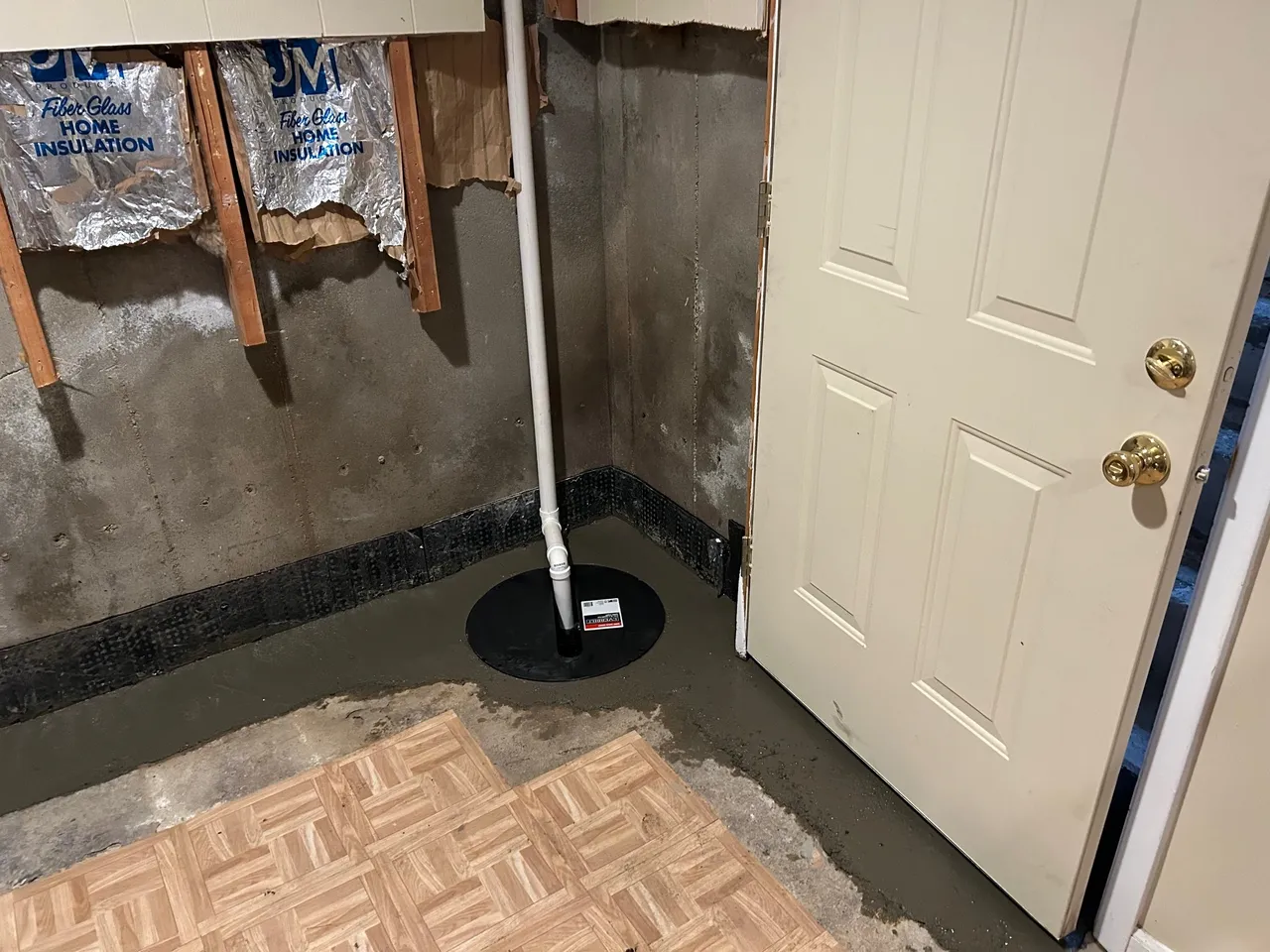
Interior waterproofing is more common and often more practical, especially for existing homes. This includes sealing cracks from the inside, applying waterproof coatings to basement walls, and installing interior drainage systems. A perimeter drain system inside your basement collects water that seeps through and channels it to a sump pump before it can pool on your floor or saturate your walls. It’s not as comprehensive as exterior work, but it’s effective for many situations.

Crack injection is a targeted approach for active leaks. Polyurethane or epoxy is injected into cracks under pressure, filling them completely and creating a waterproof seal. Polyurethane expands as it cures, making it effective for cracks that might still have slight movement. Epoxy creates a rigid bond that’s actually stronger than the surrounding concrete, making it ideal for structural repairs. Both work, but the choice depends on the specific crack and what’s causing it.

Membrane systems applied to interior walls create a barrier that stops moisture from coming through. These aren’t just paint—they’re specialized coatings designed to handle hydrostatic pressure and prevent water infiltration. Some are breathable, allowing water vapor to escape while blocking liquid water. Others are impermeable barriers that redirect water down to drainage systems. The right one depends on your basement’s specific moisture issues.

Vapor barriers in crawl spaces are often overlooked but critical. If you have a crawl space, moisture rising from the ground can affect your whole foundation system. A heavy-duty vapor barrier sealed to the walls and floor keeps that moisture out and protects the structural elements above. It’s especially important in areas with high water tables—common across Long Island.

Insulating your foundation walls can also help minimize freeze-thaw damage. Insulation doesn’t waterproof, but it does moderate temperature swings, which means less dramatic freezing and thawing in the concrete itself. Foam board insulation on the exterior or interior of foundation walls adds both thermal protection and some moisture resistance. It’s a supporting player, not the main solution, but it helps.

The key is matching the solution to your specific situation. A foundation with minor seepage needs different treatment than one with major cracks and structural movement. Soil type, water table depth, grading, and the age and construction of your foundation all factor into what approach will actually work long-term. That’s where our experience with Long Island conditions specifically makes a difference—knowing what solutions hold up in sandy Long Beach soil versus clay-heavy areas further inland, or understanding how coastal moisture affects different waterproofing materials. Generic approaches fail here. Local knowledge matters.

Protecting Your Long Island Foundation from Winter Damage

Freeze-thaw cycles aren’t something you can prevent—they’re part of living in New York. But the damage they cause to your foundation absolutely can be prevented, or at least minimized significantly, with the right preparation. It comes down to being proactive instead of reactive.

Small cracks don’t stay small through a Long Island winter. Water gets in, freezes, expands, and turns minor issues into major repairs by spring. The cost of sealing cracks and improving drainage now is a fraction of what you’ll pay for foundation repair later. More importantly, you avoid the stress of discovering water damage or structural problems when the snow melts. Prevention is cheaper, easier, and smarter.

This isn’t about perfection. It’s about being proactive with the parts of your home that matter most. Your foundation literally holds everything else up. Protecting it from freeze-thaw damage means protecting your investment, your safety, and your peace of mind.

If you’re seeing cracks, noticing dampness, or just want to make sure your foundation is ready for winter, we’ve been handling these exact challenges for Nassau County, NY and Suffolk County, NY homeowners for over 25 years. We know Long Island soil, we know how winter affects foundations here, and we know what solutions actually hold up. Give your foundation the protection it needs before the next freeze.