Beyond the Flood: How a Dry Basement Protects Your Health and Home Value from Mold and Moisture

Summary:

Interior waterproofing does more than keep your basement dry—it protects your family’s health and significantly boosts your home’s value. This comprehensive approach eliminates the moisture that causes mold growth, musty odors, and structural damage while creating usable space that buyers actually want. By addressing water intrusion at its source, interior waterproofing systems provide Long Island homeowners with lasting protection against the region’s unique challenges, from high water tables to coastal storms.
Table of contents
You walk downstairs and immediately smell it—that unmistakable musty odor that tells you moisture is winning the battle in your basement. Maybe you’ve noticed dark spots creeping along the walls or felt that clammy air that makes you want to head back upstairs quickly. You’re not imagining things, and you’re definitely not alone in Nassau and Suffolk Counties. What you might not realize is how much this seemingly minor moisture problem is actually costing you—in health risks, structural damage, and thousands of dollars in lost home value. Interior waterproofing offers a proven path forward, transforming problematic basements into healthy, valuable spaces that protect both your family and your investment.

Why Interior Waterproofing Works Better Than Quick Fixes

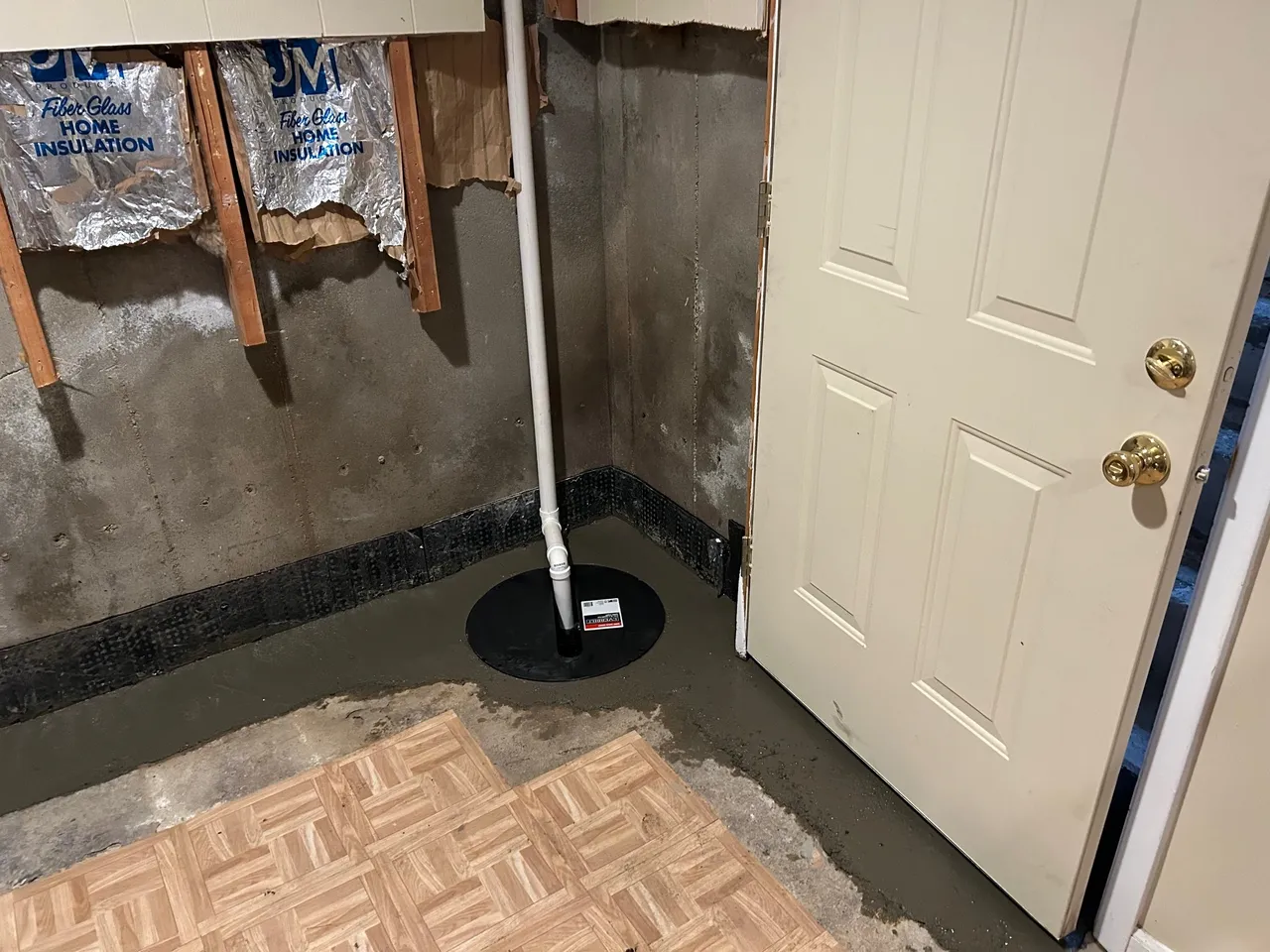
Interior waterproofing tackles water problems from the inside out, managing moisture that’s already trying to enter your basement rather than hoping exterior barriers will hold forever. This approach uses French drains to collect water and channel it to sump pumps for removal, ensuring basements stay dry through comprehensive water management.

Unlike surface treatments that might work temporarily, interior systems address the root cause of basement moisture. French drains do more than sump pumps alone by relieving hydrostatic pressure below your entire house before water enters your basement, providing the only way to completely and permanently stop ground water from flooding your basement and damaging your foundation.

The beauty of interior waterproofing lies in its reliability and accessibility. Interior systems are installed from inside the basement with less disruption and a faster timeline, while being easier to inspect, maintain, and upgrade in the future.

How Interior Systems Handle Long Island's Unique Challenges

Long Island’s basement water problems aren’t like anywhere else in the country. The soil composition, water table depth, and drainage patterns change completely between neighborhoods—sandy soil near Long Beach behaves nothing like the clay found in Syosset, and coastal flooding in Freeport requires different solutions. The soil composition, ground layout, and building structures of Long Island are unique with so much variation from area to area, while the region experiences high humidity levels, heavy rainfall, and occasional coastal storms that contribute to water infiltration.

Interior waterproofing systems excel in these conditions because they’re designed to work regardless of what’s happening outside your foundation. Hydrostatic pressure is particularly problematic in Long Island due to frequent rainfall and high water table, creating intense pressure against foundation walls. Rather than fighting this pressure, interior systems give water a controlled path out of your basement.

Interior systems are excellent for addressing water pressure beneath the slab, particularly from false water tables that exterior drains may not handle, while relieving hydrostatic pressure under the foundation to prevent water from seeping through cracks in floors or walls. This makes them ideal for Long Island’s challenging soil conditions.

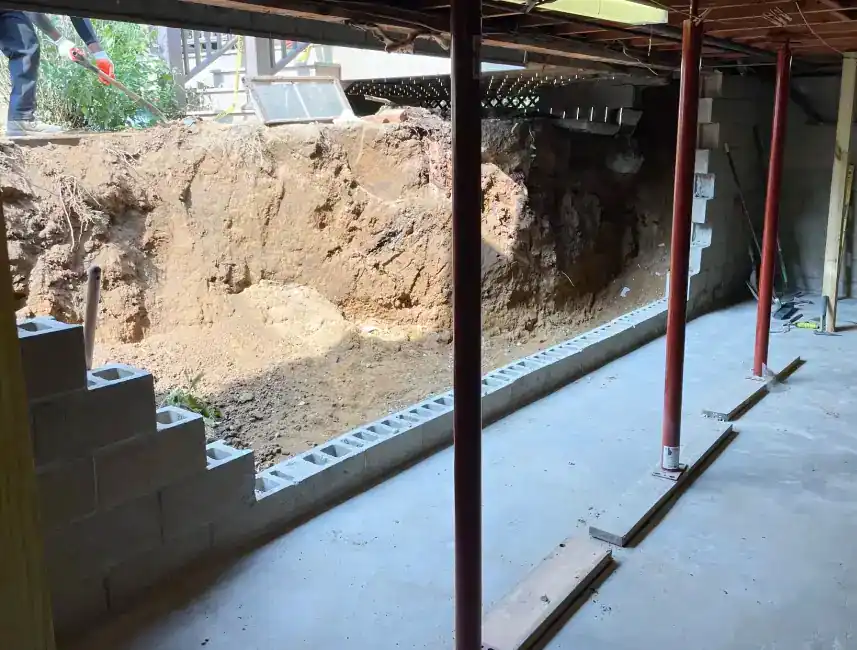
The installation process is straightforward but requires professional expertise. Interior French drains are generally less disruptive to install than exterior counterparts, with the slab cut along the perimeter to create a trench, followed by laying a gravel bed with pipe on top wrapped in fabric, then burying with more gravel and covering with drain tiles or re-poured concrete—the whole process contained within the basement.

What sets interior waterproofing apart is its ability to work in combination with other systems. A French drain inside the basement almost always works in combination with a sump pump—think of the French drain as the gutters and the sump pump as the downspout, as you need both to carry water away effectively.

The Real Cost of Ignoring Basement Moisture Problems

That musty smell isn’t just unpleasant—it’s expensive. The small crack you ignore today becomes next year’s flood, the musty smell you’ve gotten used to is actively damaging your home’s structure, and the spot of water on your basement floor can become a pool. Water damage often starts small—a musty smell, a hairline crack—but catching problems early saves thousands in repairs.

The health implications alone should concern any homeowner. Mold produces microbial volatile organic compounds (mVOCs), which create an unpleasant “moldy” or musty smell. For some people, mold can cause a stuffy nose, sore throat, coughing or wheezing, burning eyes, or skin rash, with people with asthma or who are allergic to mold experiencing severe reactions.

But the financial impact extends beyond repair costs. A home with a wet basement can be much more difficult to sell, with wet basements being one of the most serious “red flags” that deter buyers. Houses with moisture problems sit on the market considerably longer and sell for lower prices, with the discount often being much more than repair costs because smart buyers insist all problems be fixed out of your pocket, with home inspectors reporting buyers often demand multiples of repair costs estimated by inspectors.

Mold causes structural damage to your home by growing on virtually any surface including drywall, wood, and carpeting, weakening these materials over time and leading to structural damage requiring expensive repairs. Water problems always worsen over time, with Long Island’s climate and soil conditions making basement water issues progressive problems that become more expensive to fix.

The longer you wait, the more complex the solution becomes. What might be a straightforward interior waterproofing project today could require extensive structural repairs tomorrow. Mold spores can grow and multiply in just 24 to 48 hours where there’s moisture. This rapid timeline means small problems become big ones fast.

Health Benefits of Dry Basement Living Spaces

A dry basement isn’t just about protecting belongings—it’s about protecting the people who live above it. By taking steps to waterproof and protect basements from moisture, humidity, and mold growth, you can make a significant difference in the overall health of your entire home. Excess water or high moisture levels can lead to mold or mildew, with mold growing in 24 to 48 hours on damp surfaces and presenting serious health risks, while waterproofing helps prevent mold growth by reducing moisture levels.

The air quality improvements extend throughout your home. Mold exposure results in immune system chemicals causing inflammation in nose, eyes and lungs, with even people without allergies experiencing irritation from mVOCs. Mold growing in homes can be a health hazard, especially for those with asthma, allergies, or weak immune systems, with mold increasing the risk of developing asthma or making existing asthma worse, particularly affecting children.

Interior waterproofing creates measurable improvements in indoor air quality. If air in your home is humid, HVAC systems must work harder to heat or cool your home increasing energy bills, while waterproofing helps keep humidity levels consistent so energy bills don’t fluctuate or increase.

A person wearing red gloves applies black waterproofing paint to a brick wall using a brush, holding a container of paint with the other hand. The scene appears to be outdoors.

How Moisture Control Eliminates Musty Basement Odors

That distinctive basement smell isn’t just annoying—it’s a warning sign. The Centers for Disease Control (CDC) and the National Institute for Occupational Safety and Health (NIOSH) have found that thorough visual inspections or detecting problem areas by musty odors are more reliable than air sampling for mold. Most molds produce musty odors that are the first indication of a problem.

Proper basement waterproofing eliminates the moisture that causes musty odors and mold growth, with the smell coming from water infiltration creating humid conditions where mold and mildew thrive—when water is stopped from entering your basement, the source of these moisture problems is eliminated.

Interior waterproofing systems address odor problems at their source rather than masking them. Mold causes unpleasant odors in homes, with musty smells in damp basements likely indicating mold growth that can be difficult to get rid of and linger even after mold removal. By controlling moisture levels, interior systems prevent the conditions that create these odors in the first place.

The humidity control benefits extend beyond odor elimination. Keeping indoor humidity low, ideally between 30 and 50 percent relative humidity, is crucial for preventing moisture problems. Maintaining home relative humidity between 20-40 percent in winter and less than 60 percent the rest of the year, with ventilation, air circulation, dehumidification, and efforts to minimize moisture production being very important for controlling high humidity that frequently causes mold growth.

Modern interior waterproofing systems work continuously to maintain these optimal conditions. Homes equipped with correctly sized central air conditioner systems used continuously during humid summer months have the least incidents of basement mold, as central air conditioners are natural dehumidifiers that help drier air reach basements.

Creating Usable Living Space from Problem Areas

A waterproofed basement transforms from liability to asset. Homeowners with leaking, humid and wet basements are prevented from using the valuable living and storage space that makes up one third of their homes. Waterproofed basements can be converted into fully functional living spaces, markedly increasing home square footage and value.

The transformation isn’t just about space—it’s about peace of mind. Discovering a wet basement leads to exhaustive, stressful cleanup as you race to protect furnaces, hot water heaters, boxed storage, tools, files, washers and dryers, sheetrock, carpets and furniture. Interior waterproofing eliminates this constant worry.

Basement waterproofing may not be as sexy as granite countertops and steam showers but it pays off too, not only at time of sale but in the years of use—as living space, storage space or workshop—while you live in your home. Living space, storage space, or workshop space provides value while you live in your home, not just at resale.

The usability improvements are immediate and lasting. The benefits of sump pump French drain systems extend far beyond keeping basements dry, providing complete water management coverage from every angle—surface water, groundwater seepage, sudden flooding, slow leaks—like having comprehensive insurance for your basement instead of basic coverage.

Professional interior waterproofing creates reliable, year-round protection. Properly completed waterproofing provides basements that stay dry through heavy rains, snow melt, and seasonal water table changes. This consistency allows homeowners to invest in finishing their basements without worrying about moisture damage to improvements.

The investment in interior waterproofing pays dividends in multiple ways. Increased property value is something many homeowners don’t consider until they’re ready to sell, with professionally installed waterproofing systems with lifetime guarantees becoming major selling points.

Interior Waterproofing as a Smart Investment for Long Island Homes

Smart Long Island homeowners view interior waterproofing as an investment, not an expense. Real estate professionals report you can expect to get back 150% of the money you put into keeping your basement dry, with potential to enjoy an extra $15,000 when you sell. Foundation and waterproofing improvements can increase property value by 10% or more, and waterproofing can even be the deciding factor in a successful sale.

The return on investment extends beyond resale value. Professional waterproofing eliminates buyer concerns and often adds more value than it costs, with buyers willing to pay more for homes that have documented protection against water intrusion—a waterproofed basement represents peace of mind that’s worth money. Professional basement waterproofing is a smart investment in your home’s value, marketability, and ability to sell quickly and confidently, removing one of buyers’ biggest worries while protecting home structure and potentially increasing final selling price.

For Long Island homeowners, interior waterproofing addresses the region’s specific challenges while providing lasting value. The combination of health protection, structural preservation, and increased home value makes interior waterproofing one of the smartest investments you can make in your property. When you’re ready to protect your family’s health and your home’s value, we bring over 25 years of Long Island expertise to every project.