Summary:
Why Long Island's Clay Soil Demands Exterior Waterproofing
Clay soil absorbs water and expands during wet weather, putting enormous pressure on basement walls that can cause them to bow inward. This isn’t a minor inconvenience—it’s a structural threat that worsens with every storm.
Water-saturated clay can exert over 100 pounds per square foot of pressure against your foundation walls. Interior waterproofing systems manage water that’s already penetrated your foundation, but they don’t address this constant external pressure.
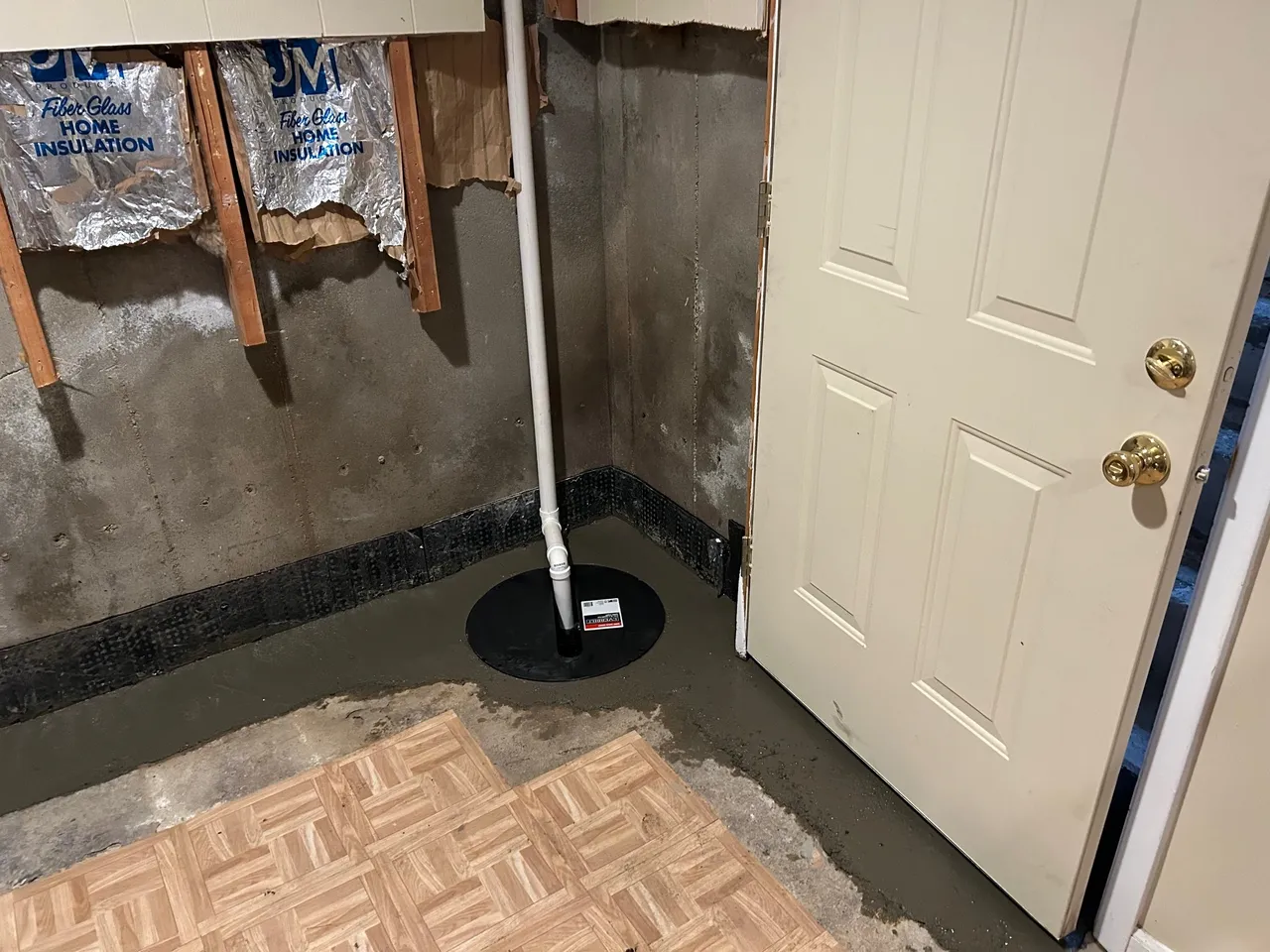
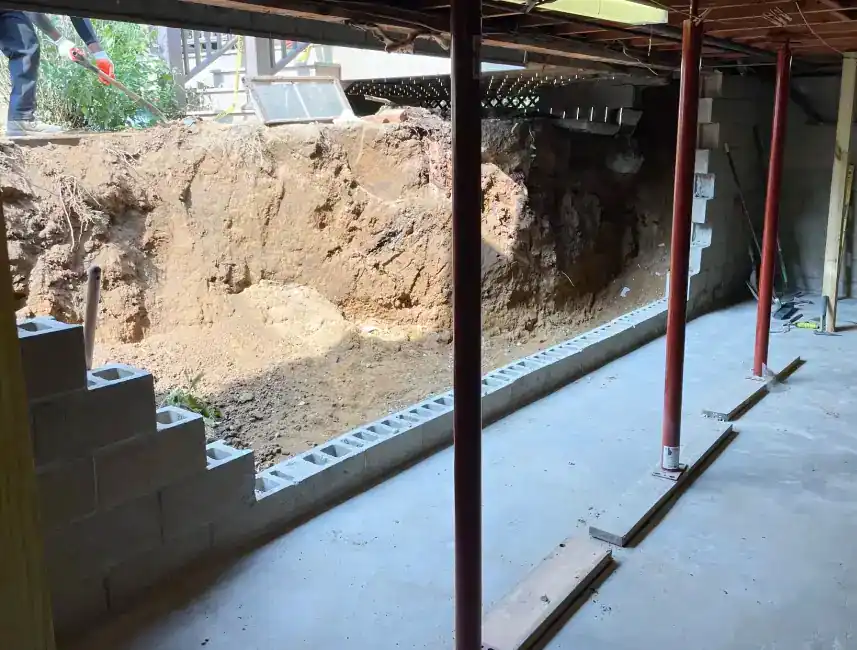
Exterior waterproofing prevents water from entering your basement rather than managing water that has already gotten in, directing it to exterior drainage systems away from your foundation.
The Science Behind Clay Soil Expansion and Contraction
Clay can expand up to 10% when saturated with water, creating tremendous lateral pressure against foundation walls. But the real damage happens during the cycle of expansion and contraction.
During wet periods, saturated clay pushes against your foundation with incredible force. When it dries, it shrinks and pulls away, creating gaps that fill with water during the next storm. This constant movement creates stress fractures that grow larger over time.
Soil composition changes completely between neighborhoods—sandy soil near Long Beach behaves nothing like the clay found in Syosset, requiring different solutions. That’s why generic approaches fail on Long Island.
The solution isn’t fighting this natural process—it’s preventing water from reaching the clay in the first place. Proper exterior waterproofing with gravel backfill relieves hydrostatic pressure that can otherwise build up, ensuring a dry basement.
How Freeze-Thaw Cycles Accelerate Foundation Damage
Water expands approximately 9% when it freezes, and Long Island’s freeze-thaw cycles turn this expansion into a destructive force. Water infiltrates small foundation cracks and freezes, expanding to widen cracks through freeze-thaw cycling that weakens the entire structure.
Frost heaving can put thousands of pounds of force against foundation walls, causing cracks, bowing, and heaving. Each winter, this process accelerates, turning hairline cracks into major structural issues.
The damage compounds because clay soil holds water longer than other soil types, extending the freeze-thaw cycle’s impact. Hydrostatic pressure varies by season—rainy weather or spring thaw significantly increases pressure, while drier seasons see less pressure, but there’s no way to stop hydrostatic pressure from occurring.
This is why interior-only solutions fail in Long Island’s climate. You need a system that prevents water from reaching your foundation walls in the first place, eliminating both the hydrostatic pressure and the freeze-thaw damage that follows.
90-Mil Membrane Systems: Superior Protection for Challenging Conditions
Not all waterproofing membranes are created equal, especially when facing Long Island’s demanding conditions. Tegra-Tite 500 is an innovative waterproofing membrane designed to provide superior protection for below-grade foundations, developed with advanced materials that form a robust and flexible layer.
The 90-mil Tegra-Tite 500 membrane integrates with Geo-Wrap drainage board and footing drains for comprehensive protection. This thickness isn’t arbitrary—it’s engineered to withstand the specific challenges Long Island foundations face.
The system is specifically engineered to withstand hydrostatic pressure from groundwater, temperature fluctuations, and soil movements.
What Makes 90-Mil Thickness Critical for Long Island
Tegra-Tite 500 membrane combines cross-laminated HDPE with a 60-mil layer of sodium bentonite clay, intended for below-grade concrete structures. The 90-mil total thickness provides multiple layers of protection that thinner membranes simply can’t match.
The property of swelling makes bentonite unique as a sealant for below-grade waterproofing, and the TegraTite membrane combines the swelling properties of bentonite with the strength and protection of HDPE sheets to form a self-sealing waterproofing membrane.
This self-sealing capability is crucial for Long Island foundations because it means small punctures or tears automatically seal themselves when they contact water. The membrane adapts to minor foundation shifts, maintaining an unbroken seal.
The thickness also provides superior puncture resistance during installation and backfilling. Its durability protects against potential damage during backfilling or from sharp objects in the soil. This matters because Long Island’s varied soil conditions often include rocks, roots, and debris that can damage thinner membranes.
Professional Installation: The Key to Long-Term Performance
Proper installation maximizes Tegra-Tite 500 performance through a meticulous process including cleaning and smoothing foundation walls, priming surfaces to enhance bonding strength, and carefully applying the membrane with overlapping seams for a watertight seal.
The installation process addresses the complete water management system. Adding drainage boards and footing drains ensures water is directed away from the foundation, and soil is replaced with care to avoid puncturing the membrane.
Professional installation includes applying mastic to the repaired foundation wall, installing the membrane with proper seaming at all terminations, installing termination bars, and laying perforated pipes at the footing bottom surrounded with drainage stone.
This comprehensive approach is why Tegra-Tite 500 provides a resilient barrier that safeguards homes for decades, reducing the need for costly repairs. Addressing water issues early can save thousands of dollars in potential foundation repairs.
The investment in professional installation pays dividends beyond just keeping water out. By keeping the foundation dry, the system helps maintain stable indoor temperatures, reducing energy consumption, and a well-protected foundation is a key selling point demonstrating to potential buyers that the home is structurally sound.
Protecting Your Long Island Home with the Right Solution
Basement waterproofing is a critical investment for Long Island homeowners who want to protect their homes from damaging water effects, and taking proactive steps can prevent mold, foundation damage, and costly repairs.
The combination of Long Island’s clay soil, freeze-thaw cycles, and variable weather patterns demands more than standard solutions. Exterior foundation waterproofing prevents water damage, stops water from penetrating foundation walls, strengthens structural integrity by preventing foundation cracks, and improves indoor air quality.
When you’re ready to stop treating symptoms and address the root cause of your water problems, we bring over 25 years of Long Island experience to every project, using proven materials and techniques that deliver lasting protection for your home and peace of mind for your family.