
 Interior Waterproofing
 Exterior Waterproofing
 Masonry
 Other services
Summary:
Foundation Grading for Drainage: Your Home's First Defense
Foundation grading requires lots to be graded to drain surface water away from foundation walls, with grade falling a minimum of 6 inches within the first 10 feet. This isn’t just a building code requirement—it’s your home’s primary defense against water pooling around foundation areas.
In Long Island’s wet climate, you want your land to slope at a 5% grade away from your house (a slope of six inches for every 10 feet). Get this wrong, and you’re essentially creating a water slide aimed directly at your basement walls.
How Nassau and Suffolk County Soil Affects Your Foundation
In regions with prevalent clay soils, such as Northport and Port Jefferson, soil expansion and contraction can significantly impact foundations. When clay soils absorb water, they expand, causing upward pressure on the foundation. Conversely, during dry periods, these soils contract, leading to foundation settling and cracking.
Here’s what makes Long Island particularly challenging: Suffolk County has “the 20-foot clay” in southwestern areas, and these minor clay units impede the downward movement of water, creating locally elevated water tables. This means even with proper membrane waterproofing, water can still find ways to pressure your foundation if surface drainage isn’t managed correctly.
Long Island’s soil composition, water table depth, and drainage patterns change completely between neighborhoods—sandy soil near Long Beach behaves nothing like the clay found in Syosset, and coastal flooding requires different solutions. This variation is why one-size-fits-all waterproofing fails, and accurate diagnosis of each property’s specific conditions is crucial.
The solution isn’t just changing your yard’s slope. We often discover large amounts of clay on one side of houses where most water intrusion occurs. This clay must be removed and replaced with sand to create proper drainage. Without addressing these soil composition issues, even the best waterproofing membranes will eventually fail under constant pressure.
Clay-like soil is your best option to improve drainage and prevent foundation leaking when used correctly. Clay soil is less porous and less prone to shifting, making it ideal for transporting water away from your home. The key is using the right type of clay in the right places—not all clay behaves the same way.
Why Professional Foundation Grading Matters for Long Island Homes
Poorly graded yards can collect pools of water and cause rain to flow down to your foundation and into your basement, but extreme grading could lead to water pooling in other places in your yard. Getting this balance right requires understanding how water moves across your specific property.
We have knowledge about drainage systems specific to Long Island and can identify problems that aren’t obvious to homeowners. After digging down to foundations, we often find many problems that weren’t visible from the surface.
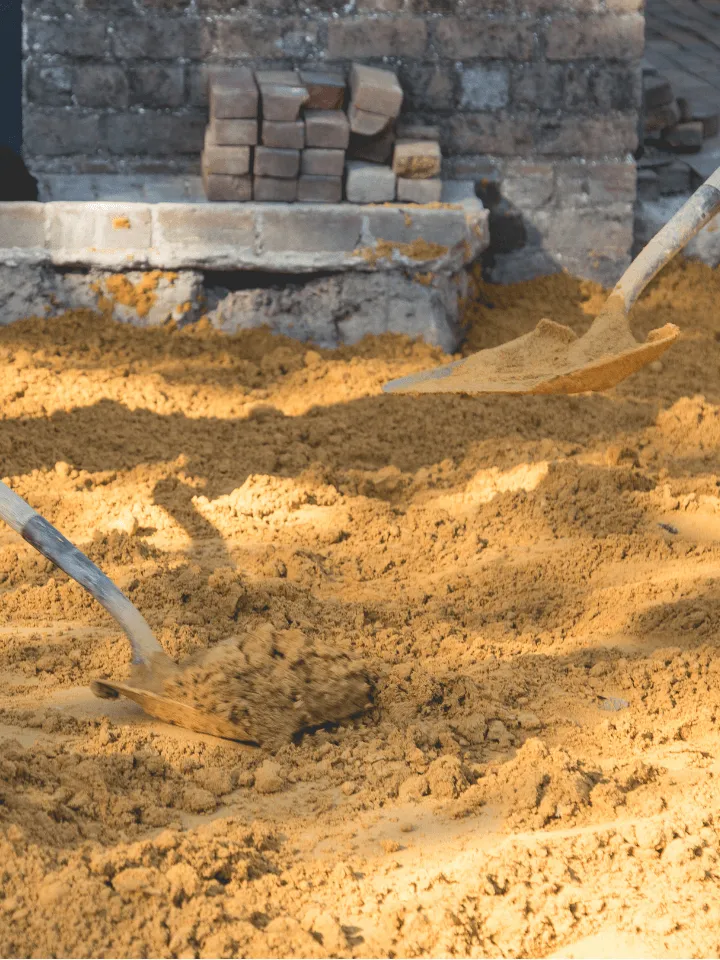
You should have us evaluate your yard’s current drainage and erosion, and create a customized yard grading plan. With the custom plan, dirt can be added or removed to achieve the necessary grade leaving a level, attractive yard that helps keep water out of your basement.
The equipment and approach matter too. We dig most systems and leach basins by hand when possible, using heavy-duty equipment only when necessary to avoid damage to lawns, brick pavers, or irrigation lines. We also understand how to restore your landscaping after completing drainage work.
Our local expertise and creative solutions stand the test of time, requiring only limited care and maintenance throughout the years, with custom grading and drainage solutions for all types of homes and properties. This long-term thinking prevents the need for repeated repairs and adjustments that cost you more money down the road.
Window Well Drainage Solutions Long Island: Stopping Direct Water Entry
Basement window wells are meant to let in natural light and provide emergency egress, but without proper drainage, they can become a direct path for water into your basement. Without a proper drain pipe system in place, water builds up in the window well, overflows, and leaks directly into your basement—leading to mold, drywall damage, flooring issues, and long-term foundation wear.
The most common reason for window wells flooding is a clogged or missing drain. A window well should have a central drain that is either connected to an interior or exterior drain tile system or to a line that runs to a storm water drain or out to daylight.
How Window Well Drainage Systems Connect to Your Basement Protection
In houses where basement windows are prone to leaking, it may be crucial to install a window well drain pipe. This will allow water to drain out of the window well and into the basement’s pressure relief system or foundation drain. If the window well begins to overflow, water will enter the window well drain pipe rather than leaking through your windows. Once in the system, the water can be safely discharged via your basement’s sump pump.
The installation process involves trenching a 4-inch pipe from the bottom of the window well. This 4-inch pipe acts as the drain and allows water to travel from the window well to a hand-dug dry well. Our professional installations include WellDuct systems to prevent window wells from filling with water, connecting to WaterGuard drainage systems along the perimeter and TripleSafe sump pumps for reliable protection.
The key is connecting these systems properly so they work together. We use an integrated approach, connecting window well drains to sump pumps and perimeter drain systems, treating window wells as a critical part of your basement’s protection system. This comprehensive approach prevents the common problem where fixing one water entry point simply redirects water to create problems elsewhere.
A properly designed and installed window well will be sized appropriately for the window, bolted securely to the foundation wall and feature a functioning drain that carries water into a drain tile system or out to daylight. This integration with your overall waterproofing system ensures that water is managed systematically rather than creating new problems in different areas of your basement.
We understand the soil types, housing styles, and drainage challenges unique to Long Island and design solutions for local homes and test them through real Long Island weather. This local expertise makes the difference between a quick fix and a long-term solution.
Preventing Window Well Flooding Before It Starts
Regular maintenance involves taking a peek every now and then to remove any debris sitting in your window well drain. Having a cover on your well makes this a one-and-done task—clean it out once, cover it up, and you’re good for a couple of seasons. Keeping your window well clean goes a long way in preventing flooding.
Leaving your window well uncovered is basically inviting water, snow, leaves, and wildlife to hang out. When all that junk clogs the drain, water has nowhere to go—except inside your home. Many window wells built in the last 20 years have a built-in drain that connects to your foundation’s perimeter drain or sump pump, but if that drain’s blocked by dirt, leaves, or debris, water will back up fast and can easily leak into your basement.
Grading the soil to slope away from your foundation is one of the top ways to prevent basement window well flooding before it starts. This shows how window well drainage connects to the broader water management strategy around your home.
When maintenance isn’t enough, professional intervention becomes necessary. If a cleaned out window well still doesn’t drain, take the drain cover off and check the pipes. Carefully remove any accumulated silt and debris from the pipe, using caution when getting close to the joint so you don’t accidentally separate anything. This level of maintenance requires understanding how the drainage system connects to prevent accidentally damaging the connections.
The reality is that Long Island experiences extreme weather like hurricanes, Nor’easters, heavy rainfall, and snow storms that make drainage difficult. Your window well drainage system needs to handle these conditions, not just typical rainfall. That’s why professional design and installation matter—they account for the worst-case scenarios, not just average conditions.
Dry Well Installation Cost NY: Complete Water Management Investment
A dry well is an underground structure designed to collect and disperse unwanted water from surface runoff, roof gutters, or storm drains. It works by allowing water to slowly infiltrate the surrounding soil, thus reducing pooling and flooding. By redirecting water away from your home, a dry well significantly lowers your risk of foundation flooding, basement leaks, and yard erosion.
Dry well installation costs vary depending on soil conditions, depth, and system size, with average costs ranging from $1,500 to $4,000 per installation, though national averages show most homeowners spend between $1,344 and $5,167. Dry wells are basic structures that can be installed in one day, making them a cost-effective solution for managing water runoff.
A well-drained yard is a valuable feature for potential home buyers, signaling that your home is well-maintained and protected from water damage. When you combine proper foundation grading for drainage, dedicated window well drainage solutions Long Island, and strategic dry well installation, you create a comprehensive system that protects your investment and gives you peace of mind every time it rains. We understand these integrated solutions and have the experience to implement them correctly in Nassau and Suffolk County’s unique conditions.