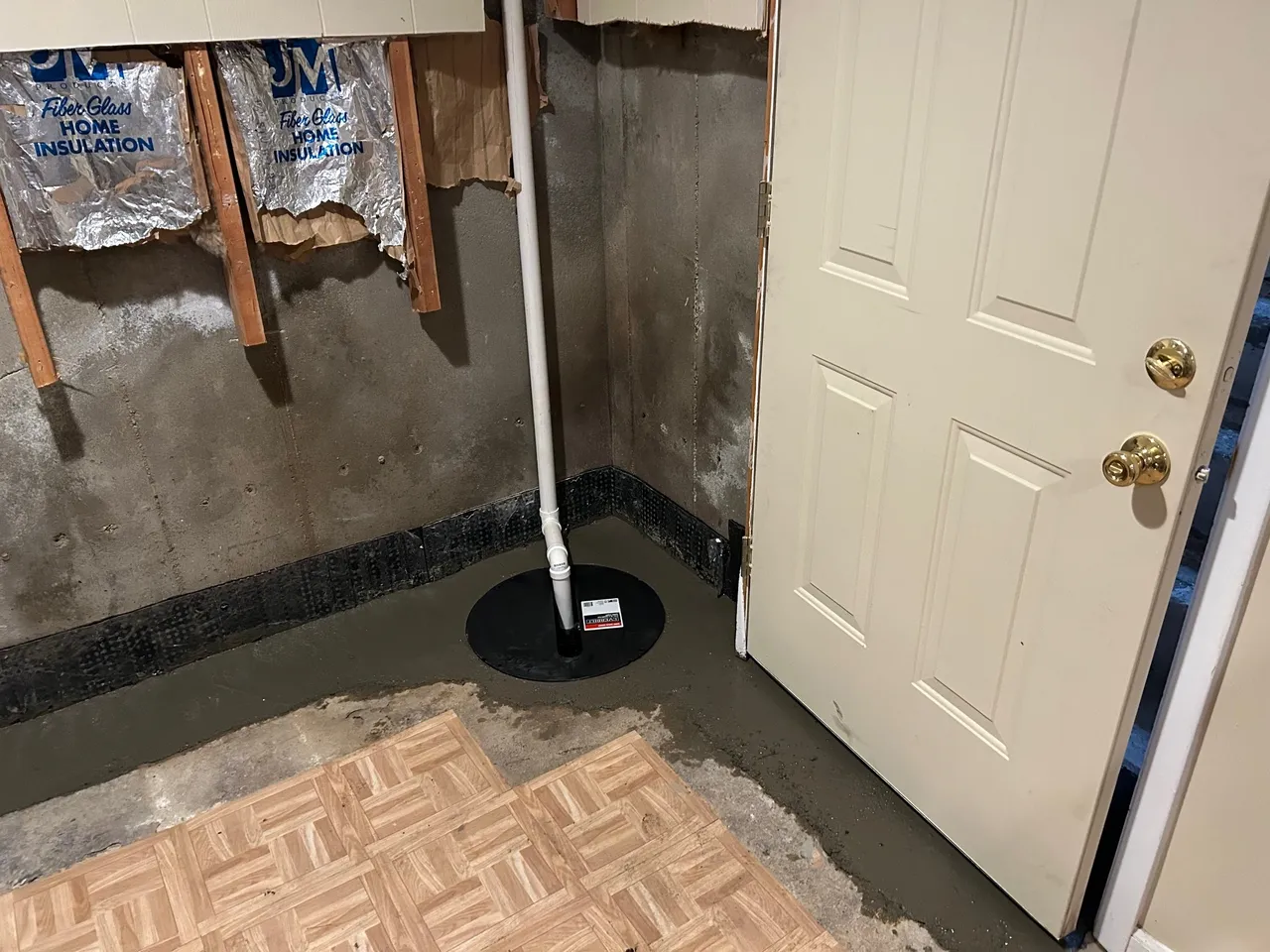
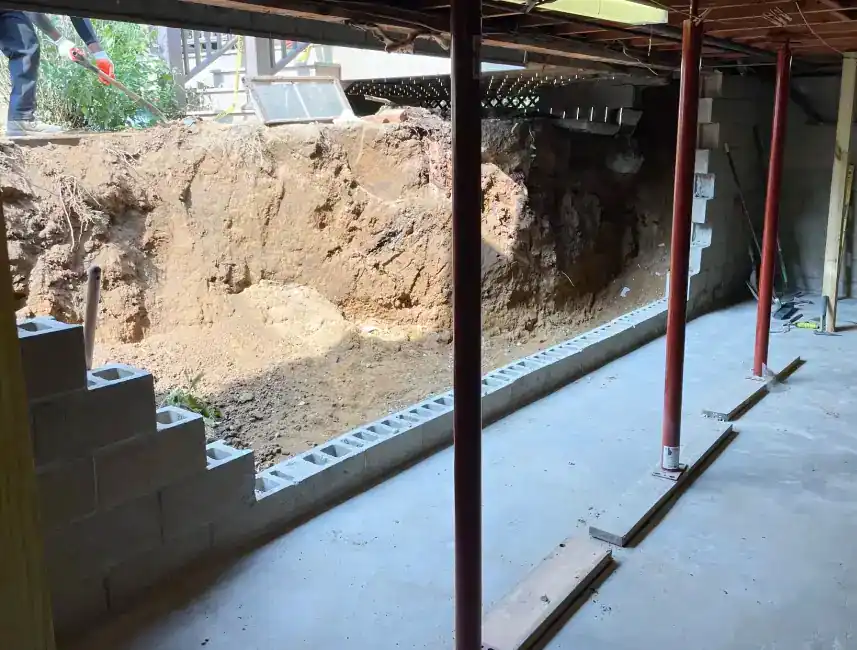
How Waterproofing Impacts Your Long Island Home Insurance

professional basement waterproofing merrick

Summary:

Most Long Island homeowners don’t realize their standard insurance won’t cover the most common type of basement water damage: seepage from groundwater pressure. This creates a significant coverage gap that professional waterproofing addresses. Understanding the difference between seepage and flood insurance, and how documented waterproofing with a warranty serves as “risk mitigation” for insurance adjusters, can protect both your home and your wallet. This guide breaks down what’s covered, what’s not, and how professional waterproofing impacts your insurance situation in Nassau and Suffolk Counties.
Table of contents
You pay your homeowners insurance premium every month assuming you’re covered if water gets into your basement. Then you file a claim after a heavy rain, and the adjuster tells you it’s not covered. That’s the reality for thousands of Long Island homeowners who discover too late that seepage isn’t the same as flooding in the eyes of insurance companies. The distinction matters because it leaves a major gap in your coverage—one that professional basement waterproofing with a solid warranty can actually help address. Here’s what you need to know about how waterproofing affects your insurance situation in Nassau and Suffolk Counties.

What Home Insurance Actually Covers for Basement Water Damage

Standard homeowners insurance policies cover sudden and accidental water damage. A burst pipe that floods your basement overnight? Covered. A water heater that fails and dumps 50 gallons across your floor? Usually covered. But the slow, steady water intrusion that most Long Island basements experience? That’s a different story.

Insurance companies draw a clear line between sudden events and ongoing maintenance issues. If water has been seeping through your foundation walls for weeks or months, they’ll classify it as a maintenance problem you should have addressed. That means no coverage, even if you just discovered it.

The same goes for groundwater that pushes through foundation cracks during heavy rain. Insurance adjusters call this seepage, and it’s specifically excluded from standard homeowners policies across New York. It doesn’t matter if your basement floods during a storm—if the water came through the foundation rather than through a window or door, you’re likely looking at a denied claim.

Understanding Seepage vs Flood Insurance in Nassau County

Here’s where it gets confusing for Long Island homeowners. Seepage and flooding sound similar, but insurance companies treat them as completely different events.

Seepage refers to water that infiltrates your basement through foundation walls or floor due to hydrostatic pressure—basically, groundwater in the soil pushing against your foundation until it finds a way in. This happens constantly across Nassau and Suffolk Counties because of our high water tables and coastal location. After a heavy rain, the water table rises, pressure builds against your foundation, and water seeps through any crack or porous area it can find. Standard homeowners insurance excludes this type of water intrusion. It’s considered a maintenance issue that proper waterproofing should prevent.

Flood insurance, on the other hand, covers water that comes from outside your home and affects the ground surface. Think of a river overflowing its banks, storm surge from a hurricane, or surface water that can’t drain fast enough during torrential rain. The National Flood Insurance Program defines flooding as “a general and temporary condition” where normally dry land gets inundated by water. If floodwater enters through your basement window or door, flood insurance covers it. If water seeps through your foundation even during that same flood event, it gets complicated.

Many Long Island homeowners in flood-prone areas carry flood insurance thinking they’re fully protected. Then they discover that NFIP policies have limited coverage for basements. The building coverage portion only covers structural elements like the foundation, sump pumps, and furnaces. Contents in basements often aren’t covered at all. More importantly, if the adjuster determines water entered through seepage rather than surface flooding, you’re back to square one with no coverage.

This creates a significant gap. The most common type of basement water problem in Nassau County—groundwater seepage during and after storms—falls into a coverage dead zone. Your homeowners policy excludes it, and your flood insurance may not cover it either depending on how the water entered your home. That’s exactly why professional waterproofing becomes so important, not just for keeping your basement dry, but for managing your overall risk.

Why Insurance Adjusters Care About Professional Waterproofing

Insurance adjusters look at your home through a risk assessment lens. Their job involves determining whether damage resulted from a covered event or from lack of proper maintenance. This is where documented, professional waterproofing with a warranty becomes valuable—not because it guarantees coverage, but because it demonstrates risk mitigation.

When you file a water damage claim, the adjuster investigates the source and history of the problem. They look for signs of ongoing issues: old water stains, previous damage, mold growth that didn’t just start yesterday. If they find evidence that water has been a recurring problem you ignored, they can deny the claim based on lack of maintenance. But if you can show documentation that you hired professionals to waterproof your basement, installed proper drainage systems, and maintained those systems with warranties in place, you’re demonstrating that you took reasonable steps to prevent damage.

Think of it like this: if you never change your oil and your engine seizes, your car insurance won’t cover it. But if you have maintenance records showing regular oil changes and the engine fails anyway, you have a stronger case. The same principle applies to basement waterproofing. Professional installation with a warranty shows you weren’t negligent.

This matters especially in areas like Long Island where water tables are high and basement moisture is common. Adjusters working in Nassau and Suffolk Counties see hundreds of water damage claims. They know which neighborhoods flood, which soil types cause problems, and which homeowners took preventive action versus which ones hoped for the best. A professional waterproofing system with documentation puts you in the category of homeowners who managed their risk appropriately.

The warranty itself carries weight too. A reputable waterproofing company that offers a solid, transferable warranty is backing their work with real liability. Insurance adjusters recognize this as legitimate risk mitigation because the waterproofing company has financial skin in the game. If the system fails during the warranty period, the waterproofing company covers repairs—which means you’re less likely to file an insurance claim for that type of damage.

None of this guarantees your claim will be approved if you do have water damage. But it changes the conversation with your insurance company. Instead of defending yourself against accusations of negligence, you’re showing that you took industry-standard preventive measures. When an adjuster reviews your claim and sees professional waterproofing was in place, it supports your case that the damage resulted from an extraordinary event rather than poor maintenance.

For Long Island homeowners, this distinction matters more than in many other regions. Our geography creates inherent basement water risks that insurance companies are well aware of. High water tables, coastal storms, aging housing stock, and clay/sandy soil combinations mean basement water problems are almost inevitable without proper waterproofing. Adjusters expect homeowners in these conditions to take preventive action. Professional waterproofing with a warranty shows you did exactly that.

How Basement Waterproofing Affects Your Home Value and Insurance Costs

Professional basement waterproofing doesn’t just protect your home from water damage—it affects your property value and can influence your insurance situation in ways most homeowners don’t consider. When you invest in waterproofing, you’re addressing risk factors that both appraisers and insurance underwriters evaluate.

A dry basement with documented waterproofing systems increases your home’s marketability. Buyers in Nassau and Suffolk Counties are cautious about water issues because they know the local challenges. During home inspections, any sign of moisture, musty odors, or past water damage raises red flags that can kill deals or force price reductions. Professional waterproofing with a transferable warranty gives buyers confidence and removes a major negotiating point.

From an insurance perspective, homes with documented risk mitigation measures can sometimes qualify for better rates or more favorable underwriting. While waterproofing alone won’t dramatically reduce your premiums, it contributes to your overall risk profile. Insurance companies consider the condition and maintenance of your home when setting rates and deciding whether to renew your policy. A well-maintained home with proper waterproofing is a better risk than one with recurring water problems.

basement waterproofing services franklin square

The Real Cost of Not Waterproofing Your Long Island Basement

Skipping professional waterproofing might save money upfront, but the long-term costs add up quickly—especially when insurance won’t cover the damage. Let’s look at what you’re actually risking.

Mold remediation alone typically costs $3,000 to $10,000 depending on severity. Insurance rarely covers mold unless you can prove it resulted from a covered water damage event that was reported immediately. If mold develops from ongoing seepage, you’re paying out of pocket. Foundation repairs run even higher. Fixing structural damage from water infiltration can cost $10,000 to $30,000 or more. Again, insurance won’t cover this if adjusters determine the damage resulted from lack of maintenance.

Then there’s the impact on home value. Homes with documented water damage history sell for significantly less than comparable dry homes. Even if you fix the visible damage, disclosure requirements mean you must tell potential buyers about past water issues. That information alone can reduce offers by $10,000 to $30,000 or more, depending on the severity and how recently problems occurred. Some buyers simply walk away rather than take on the risk.

Your insurance situation can worsen too. If you file multiple water damage claims, even small ones, your insurance company may non-renew your policy or significantly increase your premiums. Getting new coverage after being non-renewed is difficult and expensive. You might end up in the high-risk insurance market paying double or triple your previous premiums.

Long Island’s geography makes these risks more pronounced. With high water tables across Nassau and Suffolk Counties, basement water issues tend to be progressive. A small amount of seepage this year becomes standing water next year and foundation damage the year after. The longer you wait to address it properly, the more expensive the fix becomes. And at every stage, insurance coverage remains unlikely because the problem developed over time rather than happening suddenly.

Professional waterproofing costs typically range from $5,000 to $15,000 depending on your home’s size and the extent of work needed. That’s a significant investment, but it’s far less than the potential costs of water damage, mold remediation, foundation repairs, and lost home value. More importantly, it’s a one-time investment that protects you for decades, especially when backed by a solid warranty.

What to Tell Your Insurance Company About Basement Waterproofing

When you invest in professional basement waterproofing, documenting it properly can benefit your insurance situation. Here’s what you should communicate to your insurance company and how to maintain records that could help if you ever need to file a claim.

First, keep detailed documentation of the waterproofing work. This includes contracts, invoices, warranties, before-and-after photos, and any inspection reports from the waterproofing company. These documents prove you took proactive steps to prevent water damage. Store copies digitally and keep physical copies with your other important home maintenance records.

Consider informing your insurance agent about the waterproofing improvements. While it won’t necessarily reduce your premiums immediately, it updates your home’s risk profile in their system. Some insurance companies offer small discounts for specific risk mitigation measures, though policies vary. At minimum, having it noted in your file establishes that you’ve addressed a known risk factor.

If you ever do need to file a water damage claim, having this documentation ready can speed up the process and strengthen your case. You can demonstrate that water damage wasn’t due to negligence or lack of maintenance. Instead, you can show that despite taking industry-standard preventive measures, an extraordinary event caused damage. This shifts the conversation with adjusters significantly.

The warranty itself is particularly important to document. A transferable warranty from a reputable waterproofing company shows ongoing protection. Make sure you understand what the warranty covers, how long it lasts, and what maintenance requirements you need to meet to keep it valid. Many warranties require annual inspections or specific maintenance tasks. Keeping up with these requirements ensures the warranty remains in force and demonstrates continued diligence in maintaining your home.

For Long Island homeowners, this documentation becomes especially valuable given our area’s water table and storm history. Insurance companies know basement water is common in Nassau and Suffolk Counties. They expect homeowners to take preventive action in high-risk areas. Your waterproofing documentation shows you met that expectation. It won’t guarantee claim approval, but it removes one potential reason for denial and positions you as a responsible homeowner who managed risk appropriately.

Also keep records of any ongoing maintenance you perform on your waterproofing systems. If you have a sump pump, document when you test it and replace batteries in backup systems. If you have French drains, note when they’re inspected or cleaned. This ongoing maintenance record further demonstrates that you’re actively managing your basement water risk rather than ignoring it until problems occur.

Protecting Your Long Island Home and Insurance Coverage

Understanding how basement waterproofing impacts your home insurance situation gives you a clearer picture of your actual coverage and risk. The gap between what homeowners think is covered and what policies actually pay for causes financial stress for thousands of Long Island families every year. Seepage—the most common type of basement water intrusion in Nassau and Suffolk Counties—falls outside standard coverage, leaving you exposed to significant out-of-pocket costs.

Professional waterproofing with a solid warranty addresses this gap. It protects your home from the water damage insurance won’t cover, demonstrates risk mitigation that adjusters recognize, and preserves your property value. The investment pays for itself through avoided damage costs, maintained home value, and peace of mind during every storm.

If you’re dealing with basement moisture issues or want to protect your Long Island home before problems start, we can help. With over 25 years of experience serving Nassau and Suffolk Counties, we understand the specific challenges local homeowners face and provide solutions backed by comprehensive warranties.