Window Well Flooding: A Common Culprit in Nassau & Suffolk Basements

Summary:

Window well flooding ranks among the top causes of basement leaks across Nassau and Suffolk Counties. When drainage fails, what should be a source of light and emergency egress becomes a direct channel for water damage. This guide breaks down exactly why window wells flood in Long Island homes, how proper drainage systems work, and what solutions actually prevent recurring basement water problems. You’ll learn what’s failing, what works, and when to call in professional help.
Table of contents
Your window well fills up every time it rains. Water sits there for hours—sometimes days. You’ve probably already dealt with a wet basement, or you’re just waiting for it to happen again. Here’s the thing: window wells are supposed to solve problems, not create them. They bring natural light into your basement and provide emergency egress. But when drainage fails, they become one of the fastest routes for water to enter your home. The good news is that window well flooding has real, permanent solutions once you understand what’s actually breaking down.

Why Window Wells Fill with Water on Long Island

Window well flooding happens for predictable reasons, and most tie directly to Long Island’s geography. Nassau and Suffolk County homes sit on soil that ranges from sandy coastal ground to dense clay that holds water for days. Throw in coastal storms, heavy snowmelt, and decades-old construction, and drainage problems become almost inevitable.

The window itself usually isn’t the issue. The problem starts when water has nowhere to go. A properly functioning window well should channel water away from your foundation—not trap it like a reservoir pressed against your basement wall.

Clogged or Missing Drains Cause Most Flooding

The most common culprit behind flooded window wells is straightforward: the drain is either clogged or was never installed. A window well drain should connect to your home’s drainage system—an interior French drain, exterior drain tile, or a line running to daylight. When that drain doesn’t exist, water has no escape route.

More often, the drain is there but stops working. Leaves, dirt, soil, and yard debris accumulate at the bottom of the well and pack together like wet newspaper. Once that happens, even moderate rain overwhelms the system. The gravel layer meant to filter water gets contaminated with sediment, and drainage slows to nothing.

In some cases, builders installed window wells without drainage systems entirely. It’s a construction shortcut that saves time upfront but creates long-term headaches. The first heavy rain turns your window well into a bathtub, and all that water has one place to go: through cracks, gaps, or weak points in your window frame or foundation.

This isn’t just about standing water. When a window well fills up, it creates hydrostatic pressure against your window and foundation wall. That pressure forces water through any available opening. Even a hairline crack can become a significant leak under that kind of force. Once water breaches your basement, you’re facing more than puddles—you’re looking at mold growth, damaged belongings, and accelerated foundation deterioration.

Poor Grading and Missing Covers Multiply the Problem

Even with a functioning drain, poor grading around your foundation can overwhelm it. If ground slopes toward your house instead of away, you’re directing rainwater straight into your window wells. No drain—regardless of how well-designed—can fully compensate for that.

Long Island soil compounds the issue. Clay-heavy areas, particularly on the north shore, retain water instead of absorbing it. When ground is already saturated, excess water pools on the surface and flows to the lowest point—often right where your window well sits. Coastal areas have sandy soil that drains quickly but shifts and settles over time, altering the grade around your foundation without obvious warning signs.

Window well covers are among the simplest preventative measures, yet countless homes lack them. An uncovered window well is an open invitation for debris. Leaves, sticks, dirt, and even small animals end up inside. All that material clogs drains and traps water. Covers also block rain and snow from entering, reducing the volume your drainage system must handle.

Cover quality matters significantly. Cheap plastic versions crack and deteriorate within a season or two, and they don’t fit tightly enough to keep debris out. A properly fitted, durable cover made from polycarbonate or reinforced materials does the job without blocking light or compromising emergency egress. It’s a modest investment that prevents substantially larger problems.

How Window Well Drainage Systems Actually Work

A functional window well drainage system isn’t complex, but it requires correct installation. The objective is giving water a clear path away from your foundation before it accumulates or seeps into your basement.

At the well’s bottom should sit a gravel layer—typically six to eight inches deep. This gravel filters water, allowing it to percolate down to a drain pipe rather than pooling on the surface. The drain pipe connects to either your home’s perimeter drainage system, a sump pump, or an exterior line directing water away from the foundation.

window well drainage experts

Connecting Window Well Drains to Sump Pumps or French Drains

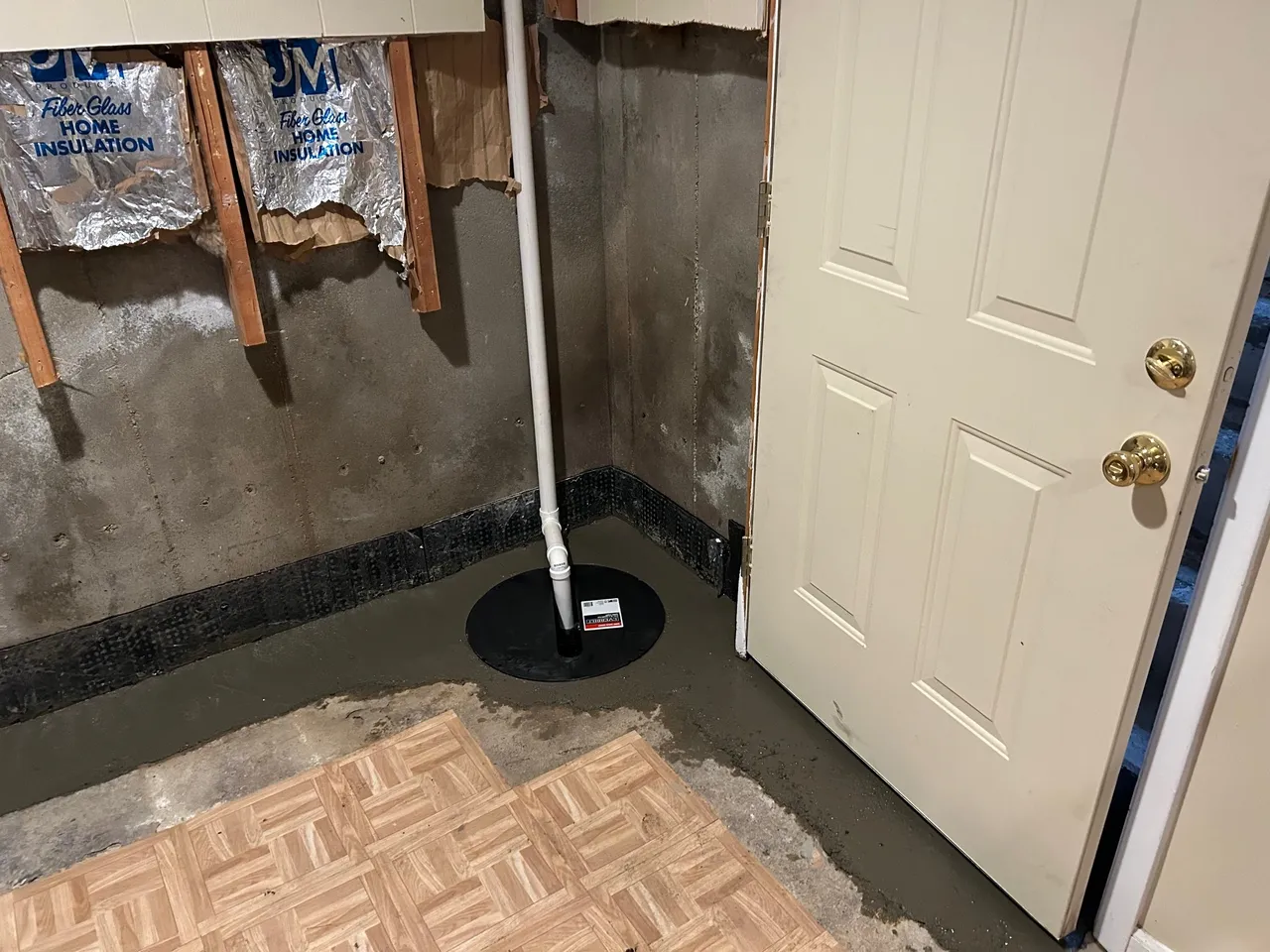
The most effective window well drainage systems integrate with your home’s existing waterproofing infrastructure. If you have a sump pump, the window well drain can connect to the same basin collecting water from your basement’s perimeter. When the well fills, water flows through the drain pipe into the sump basin, and the pump automatically discharges it away from your home.

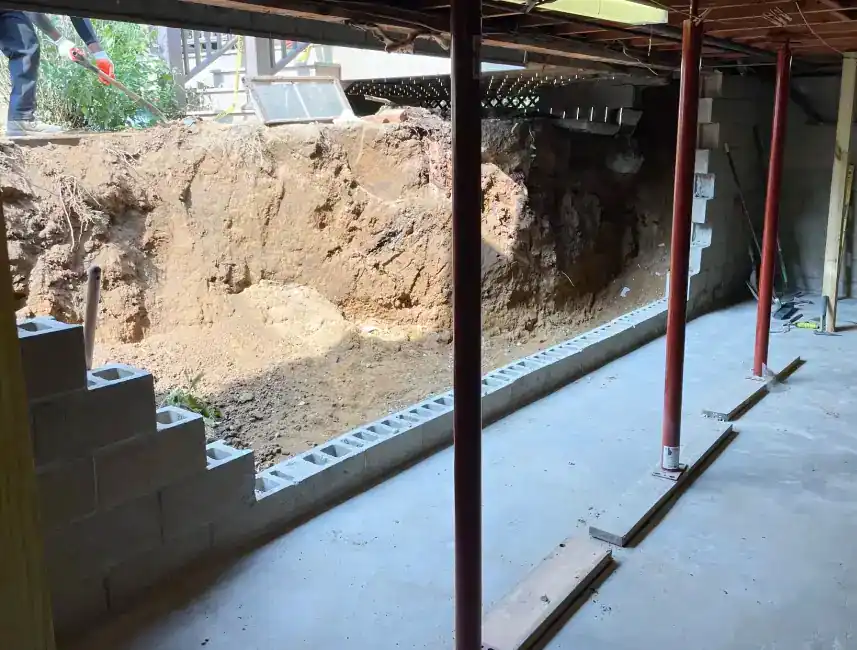
For homes without sump pumps, an exterior French drain or daylight drainage line works equally well. The drain pipe runs from the window well’s bottom to a point where water can safely exit—into a storm drain, dry well, or an area of your property where it won’t cause issues. Critical here is proper pipe grading. It must slope away from the foundation so gravity handles the work.

Interior French drains offer another option. These systems run along your basement floor’s perimeter, collecting water before it enters living space. A window well drain can tap into this system through a small foundation wall opening. Water flows from the well, through the drain, into the perimeter system, where it’s directed to a sump pump or exterior discharge point.

Installation isn’t a DIY project. The drain pipe must be positioned correctly, the gravel layer needs proper depth and composition, and the drainage system connection must be watertight. Poorly installed drains can actually worsen problems by creating new water entry pathways. Working with a contractor who understands Long Island’s soil conditions and drainage challenges makes the difference between a solution that works and one that fails within a year.

Regular Maintenance Keeps Drainage Systems Functional

Even expertly designed drainage systems need maintenance. Gravel settles and compacts over time, reducing its filtering ability. Debris works its way into wells despite covers. Drain pipes develop clogs, especially when sediment bypasses the gravel layer.

Inspect your window wells at least twice yearly—once in spring after snowmelt and again in fall before winter. Remove accumulated leaves, dirt, or debris. Check that the gravel layer remains loose and hasn’t become packed with sediment. If it has, you may need to remove the top layer, rinse it, and redistribute it more loosely. Sometimes adding fresh gravel restores proper drainage.

The drain itself requires attention too. If you notice slow drainage or complete blockage, the pipe may be clogged. You can remove the drain cover and carefully clear accumulated material. Exercise caution around pipe joints—you don’t want accidental disconnections. If clogs are deeper in the system, call a professional.

Window well covers should be checked for damage. Cracks, warping, or gaps mean they’re not performing. Replace as needed. A poorly fitting cover is nearly as ineffective as no cover at all.

Regular maintenance isn’t exciting, but it’s what keeps drainage systems functioning year after year. A few hours of preventative work can save you from flooded basements and thousands in water damage repairs.

Stop Basement Flooding with Proper Window Well Drainage

Window well flooding ranks among the most common—and most preventable—causes of basement water problems across Nassau and Suffolk Counties. Understanding how drainage systems work and what causes failures puts you in position to act before the next storm turns your window well into a liability.

The solution isn’t complicated. Properly installed drains, adequate gravel layers, functional covers, and regular maintenance keep water outside your home where it belongs. For Long Island homeowners dealing with recurring basement window leaks or standing water in window wells, addressing the drainage system is the most effective path to long-term basement protection.

If you’re seeing signs of window well flooding or want to prevent problems before they start, we have the solutions. We’ve been solving window well drainage issues and basement waterproofing problems for Nassau and Suffolk County homeowners for over 25 years, with deep knowledge of what actually works in Long Island’s unique conditions.