Interior Waterproofing
 Exterior Waterproofing
 Masonry
 Other services
Basement Waterproofing: Long Island Solutions That Work
Long Island basements face unique challenges from high water tables and coastal storms. Learn how professional waterproofing protects your home.
Share:

Summary:
You check the weather forecast and see heavy rain coming. That familiar knot forms in your stomach because you know what’s next—water pooling on your basement floor, that musty smell creeping upstairs, and hours spent moving everything away from the walls. You’ve tried sealants. You’ve patched cracks. But the water keeps finding its way back in.
Long Island basements face challenges most other regions don’t. High water tables sit just feet below your foundation. Coastal storms dump inches of rain in hours. The sandy glacial soil that makes up much of Nassau and Suffolk Counties shifts and settles differently than clay soils inland. Your basement isn’t just dealing with occasional rain—it’s fighting constant groundwater pressure that never lets up.
Real basement waterproofing means understanding where water enters your specific home and why. It means addressing hydrostatic pressure, not just painting over damp spots. And it means solutions designed for Long Island’s unique conditions, not generic fixes that work elsewhere but fail here when the next nor’easter hits.
Basement Water Problems in Nassau County
Walk into most Long Island basements after a heavy rain and you’ll see the same story. Water along the floor perimeter. Damp spots on walls. White mineral deposits where moisture has seeped through concrete. Maybe a musty smell that won’t go away no matter how many times you run a dehumidifier.
These aren’t random problems. They’re symptoms of how water moves through Long Island’s unique geology. The water table here sits high—in some Nassau County neighborhoods, just a few feet below the surface. When it rains hard or snow melts fast, that groundwater rises and pushes against your foundation walls with thousands of pounds of hydrostatic pressure.
Your foundation might look solid, but concrete is porous. Water finds the path of least resistance through tiny cracks, floor-wall joints, and even straight through the concrete itself when pressure builds high enough. Sandy soil drains faster than clay but shifts over time, creating gaps where water travels. Clay soil holds water against foundation walls, building pressure until something gives.
Water Seeping Into Basement After Heavy Rain
The pattern is predictable. Sky opens up. Rain pounds down. Within hours, water appears in your basement. Sometimes it’s a trickle along the wall. Sometimes it’s puddles spreading across the floor. Either way, you’re dealing with the aftermath while wondering if this time will be worse than last time.
Water seeping into your basement after heavy rain typically enters through three main routes. Foundation cracks are the obvious culprit—you can often see them, though many homeowners don’t realize how quickly a hairline crack can channel significant water when groundwater levels spike during storms. The floor-wall joint where your basement floor meets the wall creates a natural weak point that water exploits when hydrostatic pressure builds. And sometimes water comes straight through your foundation walls via capillary action, where moisture wicks through porous concrete even without visible cracks.
Long Island’s soil composition makes this worse. Areas with sandy soil see water travel horizontally toward foundations during heavy rain, overwhelming drainage that might handle normal conditions. Neighborhoods with clay-heavy soil trap water against basement walls for days after storms end, creating sustained pressure that eventually forces moisture inside. The south shore faces additional challenges from coastal storms that raise water tables and push salt water into underground drainage systems, compounding the problem.
The real issue isn’t just the water you see on your basement floor. It’s what’s happening behind your walls and under your foundation. Repeated water intrusion weakens concrete over time. Wood structural elements absorb moisture and begin to rot. Metal components rust. Each flood event makes your foundation slightly more vulnerable to the next one.
Mold starts growing within 48 hours of water exposure in Long Island’s humid climate. What begins as a small patch behind a storage box becomes a health hazard circulating through your home’s ventilation system. Families with children or anyone with respiratory issues face real health risks from mold spores that standard cleaning can’t eliminate once growth becomes established.
Your belongings take damage too. Boxes of photos and documents. Holiday decorations stored in the basement. Furniture you planned to pass down. Once water damage sets in, replacement becomes the only option. Insurance rarely covers gradual water damage or flooding from groundwater—standard homeowners policies specifically exclude these scenarios, leaving you to cover costs out of pocket.
Contractor Basement Waterproofing vs DIY Attempts
Most homeowners try fixing water problems themselves first. You buy waterproofing paint from the hardware store and coat your basement walls. You fill cracks with hydraulic cement. You run dehumidifiers constantly and hope the problem stays manageable. These approaches might reduce symptoms temporarily, but they don’t address why water enters your basement in the first place.
Waterproofing paint creates a barrier on your wall’s surface. But hydrostatic pressure from groundwater doesn’t care about surface barriers. When pressure builds, water finds another route—through the floor, through untreated areas, or eventually through the painted surface itself as the coating breaks down. You’ve treated the symptom while the underlying cause continues unchanged.
Crack repair with standard materials fails for similar reasons. Hydraulic cement or caulk might seal a crack initially, but foundation walls expand and contract with temperature changes and soil movement. Rigid repair materials crack again, often worse than before because water pressure concentrates on the weakened repair. You end up in a cycle of patching the same cracks repeatedly while new ones form nearby.
Professional basement waterproofing takes a different approach. Instead of trying to keep water out by sealing every potential entry point—an impossible task given how water moves through soil and concrete—effective systems relieve groundwater pressure and redirect water away from your foundation before it becomes a problem inside your home.
Interior drainage systems installed along your basement’s perimeter capture water at the floor-wall joint where it most commonly enters. These systems channel water to a sump pump that removes it from your basement entirely. The key difference from DIY approaches is that professional systems work with hydrostatic pressure rather than fighting against it, providing a permanent solution instead of temporary relief.
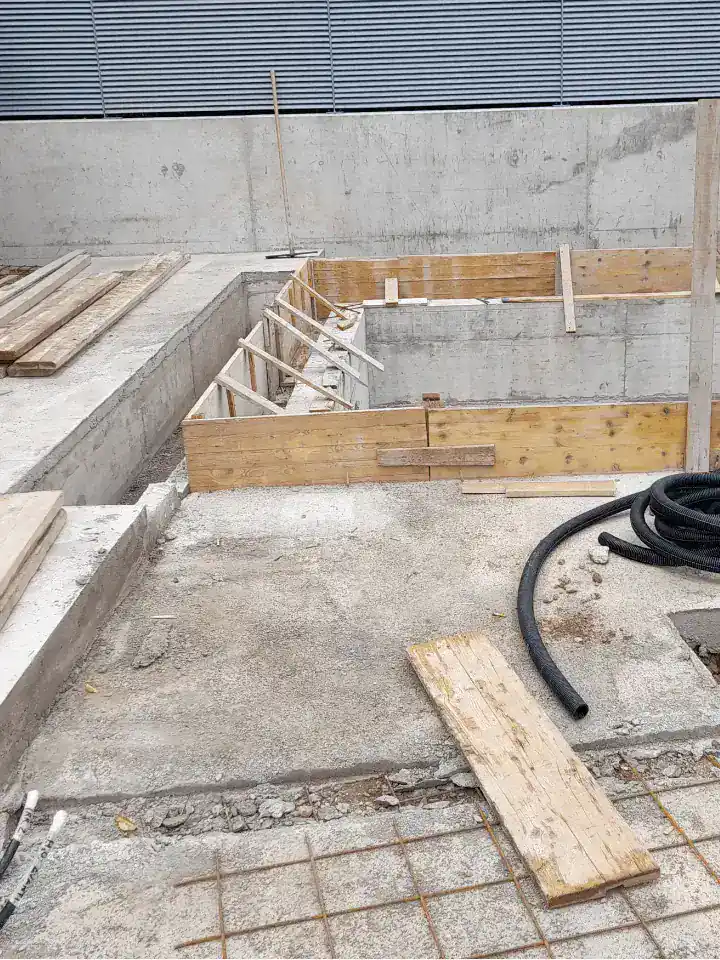
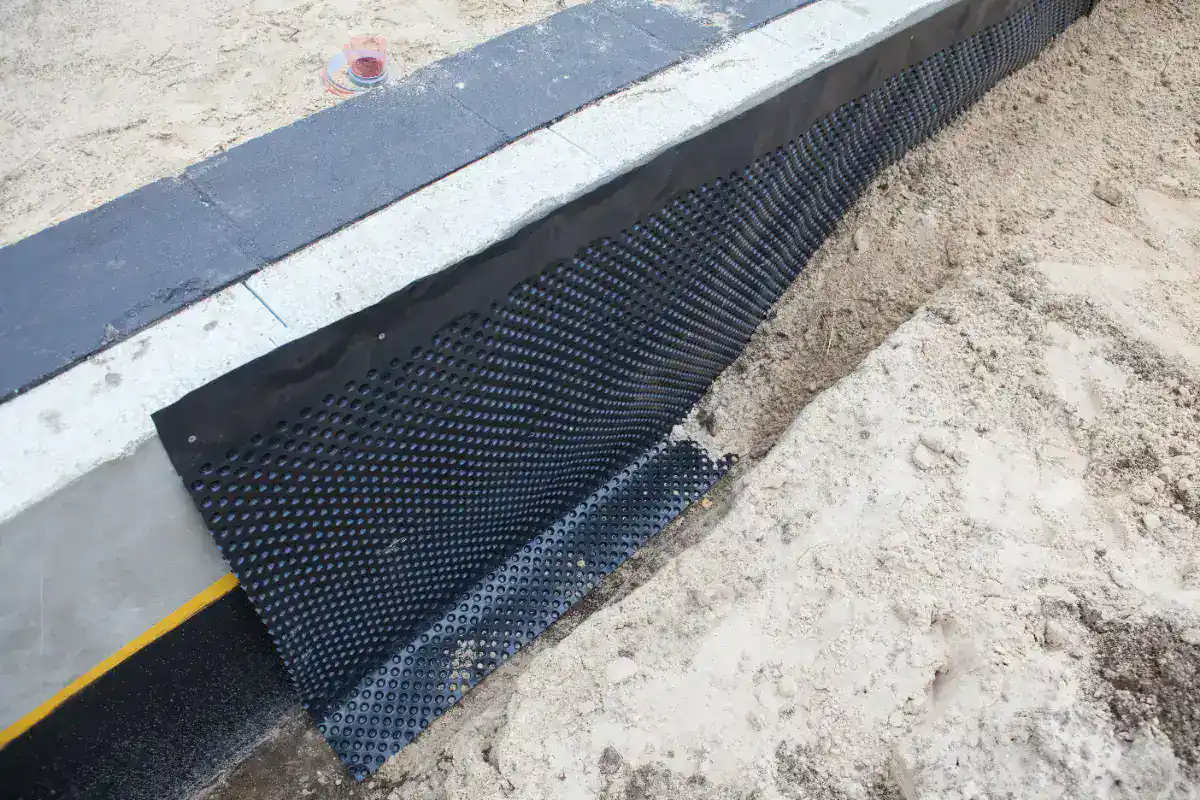
Exterior waterproofing creates a barrier on the outside of your foundation walls and installs drainage at the footing level to direct water away before it reaches your basement. This approach works best during new construction when foundations are already exposed. For existing homes, exterior waterproofing requires excavating around your entire foundation—removing landscaping, possibly relocating HVAC units, and disrupting driveways or walkways. Costs run significantly higher due to labor and restoration needs.
We understand Long Island conditions and know that soil type, water table depth, and drainage patterns vary completely between neighborhoods. What works for a home in Massapequa with sandy soil and a high water table needs different solutions than a property in Garden City with different soil composition and drainage challenges. Cookie-cutter systems fail because they don’t account for your specific conditions.
Experience matters when diagnosing basement water problems. A qualified contractor examines your foundation, assesses your property’s grading and drainage, checks your sump pump if you have one, and asks about when flooding happens and how severe it’s been. Sometimes the answer becomes obvious during inspection. Sometimes it requires looking deeper at factors homeowners wouldn’t notice—how water flows around your property during storms, whether gutters and downspouts function properly, or if soil settlement has created drainage problems that didn’t exist when your home was built.
Basement Flooding Prevention Methods
Preventing basement flooding requires understanding how water reaches your foundation and implementing systems that manage it before damage occurs. Long Island homeowners can’t control when coastal storms hit or how much rain falls, but you can control how your property handles that water.
Proper grading around your home creates the first line of defense. Ground should slope away from your foundation at least six inches over ten feet, directing surface water away rather than toward your basement. Many older Long Island properties have settled over decades, creating low spots where water pools against foundations instead of draining away. Regrading solves this issue but requires expertise to ensure proper drainage without creating new problems.
Gutters and downspouts play a bigger role than most homeowners realize. Clogged gutters overflow during heavy rain, dumping water directly against your foundation. Downspouts that discharge too close to your home send concentrated water into soil right next to basement walls. Extending downspouts at least five feet from your foundation and keeping gutters clean prevents thousands of gallons of roof runoff from overwhelming your foundation drainage.

How to Prevent Basement Flooding During Heavy Rain
Heavy rain tests your basement’s defenses. When storms dump several inches in a few hours, water has nowhere to go except down—and if your property’s drainage can’t handle the volume, that water ends up in your basement. Prevention during heavy rain requires systems that manage water faster than it accumulates.
French drain systems installed along your basement’s interior perimeter intercept water before it spreads across your floor. These drains sit below your basement floor level, creating a pressure relief system that captures water entering through the floor-wall joint or through foundation cracks. Water flows by gravity to a collection point where your sump pump removes it from your home. The system works continuously during storms, handling water as fast as it enters rather than letting it accumulate.
Sump pumps are essential equipment for Long Island basements prone to flooding. A properly sized pump can move thousands of gallons per hour out of your basement and away from your foundation. But pump capacity matters—undersized pumps can’t keep up during severe storms, and you end up with flooding despite having a system installed. Battery backup systems ensure your pump keeps working even if power fails during storms, a common occurrence during nor’easters and hurricanes that bring the heaviest rain.
Window wells create vulnerable entry points during heavy rain if not properly protected. Water pools in wells during storms and seeps through basement windows or overwhelms window seals. Installing window well covers keeps rain out while still allowing emergency egress. Proper drainage at the bottom of window wells prevents water from accumulating even if some gets past covers.
Foundation waterproofing on exterior walls prevents water from penetrating your foundation in the first place. Waterproof membranes applied to the outside of basement walls create a barrier that groundwater can’t breach. Combined with exterior drainage at the footing level, this approach stops water before it reaches your basement. The challenge for existing homes is accessing exterior walls, which requires excavation around your foundation’s perimeter.
Basement moisture control doesn’t stop at keeping liquid water out. Humidity from damp concrete, minor seepage, or inadequate ventilation creates conditions for mold growth and that characteristic musty basement smell. Dehumidifiers help manage humidity levels, but they treat symptoms rather than causes. Vapor barriers on walls and proper drainage systems address the moisture sources directly, keeping your basement dry year-round instead of just less humid.
Flooding Basement Solutions That Last
Temporary fixes for flooding basements waste money and time. You patch a crack, water finds another route. You run dehumidifiers constantly, but dampness returns the moment you turn them off. Real solutions address why flooding happens, not just what happens after water enters.
Comprehensive waterproofing typically combines multiple approaches tailored to your home’s specific conditions. Interior drainage manages water that penetrates your foundation by capturing it before it spreads across your basement floor. Sump pump systems remove that collected water, pumping it away from your foundation where it can’t return. Exterior waterproofing, when feasible, prevents water from reaching your foundation walls in the first place. Foundation crack repair addresses specific entry points where water bypasses other defenses.
The most effective basement solutions account for Long Island’s unique challenges. Glacial sandy soil that makes up much of Nassau County behaves differently than the clay soils found in some inland areas. Sandy soil drains faster but can shift and settle, creating gaps where water travels. Clay soil holds water against foundations, building sustained hydrostatic pressure. We design systems that work with your specific soil type rather than assuming all basements face identical challenges.
Long-term basement protection requires systems designed to last decades, not just years. Quality materials matter—inferior sump pumps fail when you need them most, cheap drainage components clog with sediment, and inadequate waterproofing membranes break down under constant groundwater pressure. Professional installations using proven materials backed by comprehensive warranties provide the reliability Long Island homeowners need when coastal storms test your basement’s defenses.
How to Stop Basement Flooding Permanently
Stopping basement flooding permanently means eliminating the conditions that allow water to enter in the first place. Surface-level repairs might reduce visible water temporarily, but they don’t solve the underlying pressure and drainage problems that keep bringing water back.
The foundation of permanent flooding prevention is proper water management. Water needs a path away from your foundation that’s easier than penetrating through concrete. Exterior grading, gutter systems, and downspout extensions handle surface water. Interior drainage systems with sump pumps manage groundwater that reaches your foundation despite exterior measures. Together, these systems create multiple layers of protection that work regardless of how much rain falls or how high water tables rise.
Professional assessment identifies your specific flooding causes. Is water entering through foundation cracks? Through the floor-wall joint? Straight through porous concrete under hydrostatic pressure? Through basement windows or door wells? Each entry point requires different solutions, and effective waterproofing addresses all of them rather than focusing on the most obvious problem while ignoring others.
Article details:
- Published by:
- Diamond Masonry & Waterproofing
- Published to:
- Last modified:
- May 11, 2026
Share:
Continue learning: