
 Interior Waterproofing
 Exterior Waterproofing
 Masonry
 Other services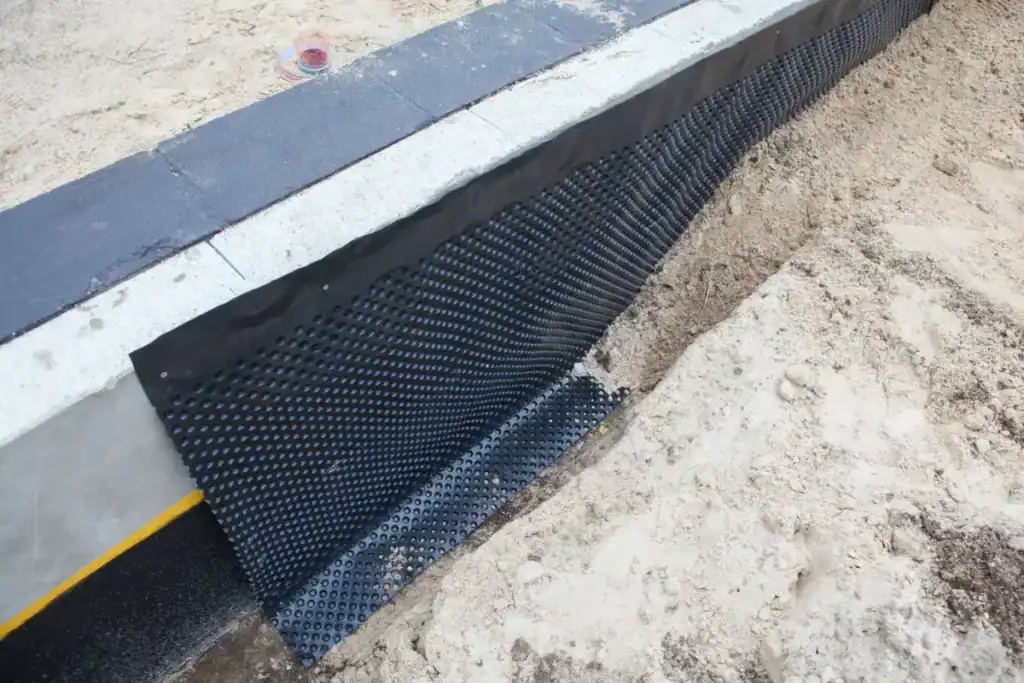
Summary:
Why Long Island Basements Flood More Than Others
Long Island isn’t like other places. The water table here sits a few feet below the surface in most areas. When it rains or snow melts, that groundwater rises and pushes directly against your foundation. You don’t need visible cracks for water to get in—it seeps through joints, porous concrete, and openings you’d never notice.
Then there’s the soil. Sandy soil near the coast lets water travel sideways toward your foundation. Clay pockets trap moisture against basement walls. Many Long Island neighborhoods have both, which makes groundwater movement unpredictable. Add in nor’easters, summer storms, and the occasional hurricane, and your basement takes a beating.
Older homes face even tougher odds. Drainage systems installed 30 or 40 years ago clog, crack, or stop working entirely. Sump pumps fail or can’t keep up with today’s heavier storms. And if nothing’s been updated since the house was built, you’re at risk even if you haven’t flooded yet.
South Shore High Water Table vs North Shore Drainage Issues
Not all Long Island flooding is the same. If you live on the South Shore, you’re dealing with a high water table that sits close to the surface year-round. After heavy rain, groundwater has nowhere to go but up—straight into your basement. Coastal areas like Freeport, Lindenhurst, and Amityville see this constantly. The water doesn’t rush in during a storm and leave. It seeps in slowly, pools on your floor, and creates the perfect environment for mold.
South Shore homes need interior drainage systems that can handle persistent groundwater pressure. French drains installed around the basement perimeter collect water before it becomes a problem. A reliable sump pump moves that water out and away from your foundation. And in some cases, exterior waterproofing membranes give you an extra layer of protection where the water table is especially high.
The North Shore has different issues. Drainage is the bigger problem here. Water doesn’t seep up from below as often—it runs toward your foundation from the surface. Poor grading, clogged gutters, or downspouts that dump water too close to the house all contribute. You might see water coming in through foundation cracks or window wells after a storm.
North Shore solutions focus more on controlling surface water. That means proper grading to direct water away from your house, extending downspouts, and sealing foundation cracks before they turn into entry points. French drains still help, but the strategy shifts to managing where water flows before it ever reaches your basement walls.
Both shores deal with coastal storms. But the South Shore gets hit harder with storm surge and tidal flooding, while the North Shore sees more runoff and drainage overwhelm. Knowing which problem you’re facing makes all the difference in choosing a basement waterproofing Long Island system that actually works for your specific location.
The Real Cost of Ignoring Basement Water in Nassau and Suffolk Homes
A small puddle in your basement doesn’t seem like an emergency. But groundwater pressure doesn’t take breaks. That puddle becomes a recurring problem, and the damage adds up faster than most homeowners realize.
Repeated moisture weakens concrete and masonry. Your foundation starts to deteriorate. Finished basements get ruined—drywall, flooring, anything porous absorbs water and breaks down. And once that happens, you’re not just paying for waterproofing anymore. You’re paying for structural repairs and reconstruction.
Mold is the other issue. It starts growing within 24 to 48 hours of water exposure. You might not see it right away, but it’s there—behind walls, under flooring, in corners where air doesn’t circulate. Mold affects indoor air quality throughout your entire home, not just the basement. It triggers allergies, respiratory problems, and other health issues. And the longer it grows, the more expensive it becomes to remove.
Then there’s your property value. If you’re planning to sell, water damage is one of the first things buyers notice. Home inspections catch it. And if you don’t disclose the problem, you’re opening yourself up to legal trouble down the line. Even if you’re not selling, ignoring water issues means watching your home’s value drop while repair costs climb.
The small crack you ignore today becomes next year’s flood. The musty smell you’ve gotten used to is actively damaging your home’s structure. And the spot of water on your basement floor can become a pool. Fixing it early is always cheaper than waiting until the damage becomes obvious.
Long Island’s climate and soil conditions make basement water issues progressive problems. They don’t get better on their own. They get worse. And the longer you wait, the more it costs to fix. Most homeowners in Nassau County and Suffolk County invest between five and eight thousand dollars for comprehensive interior waterproofing—a fraction of what foundation damage and mold remediation cost down the line.
Basement Waterproofing Solutions That Work on Long Island
Basement waterproofing isn’t one thing. It’s a system. And on Long Island, that system needs to account for groundwater pressure, soil type, drainage patterns, and whether you’re dealing with chronic seepage or sudden flooding.
The goal is simple: keep water from getting into your basement, and if it does get in, move it out before it causes damage. That means addressing problems from multiple angles—interior drainage, exterior barriers, foundation repairs, and mechanical systems that work together.
Every house is different. Your ranch in Levittown faces different challenges than a colonial in Huntington. The solution depends on your basement size, the severity of water intrusion, your soil conditions, and whether you need interior work, exterior work, or both.

French Drain and Sump Pump Installation for Long Island Homes
A French drain is a perforated pipe installed below your basement floor, running around the perimeter. When water seeps in through walls or rises up through the floor, it flows into a small channel at the edge where the floor meets the wall. That water trickles into the perforated pipe and gets directed to a sump pump.
The sump pump sits in a pit at the lowest point of your basement. When water collects in that pit, a float switch activates the pump, and the water gets pushed out through a discharge line that carries it away from your foundation. The pump runs automatically—no manual activation needed. And if you live in an area where power outages happen during storms, a battery backup sump pump keeps the system running even when the electricity goes out.
This setup works because it doesn’t try to stop water from entering. Instead, it gives water a path to follow—one that leads away from your basement before it can pool on your floor or soak into your walls. It’s a permanent solution that handles both slow seepage and sudden influxes during heavy rain.
Installation involves jackhammering the floor around the perimeter, laying down clean stone, installing the drain pipe, and backfilling with more stone. The sump pit gets dug at the lowest point, the pump goes in, and the discharge line runs outside to a safe drainage area. The whole system gets covered with fresh concrete, and you’re left with a basement that stays dry.
For Long Island homeowners, this combination—French drain plus sump pump—is often the most effective way to handle groundwater pressure. It works with the water table instead of fighting it. And when we install it correctly, it protects your basement around the clock without you having to think about it.
Foundation Crack Repair and Waterproofing Membranes for Nassau and Suffolk Basements
Foundation cracks are access points. Even small ones let water squeeze through when groundwater pressure builds. And on Long Island, that pressure builds often—after rain, snowmelt, or during seasonal water table fluctuations.
There are two types of cracks. Settlement cracks happen as your foundation shifts and settles over time. They’re usually minor and don’t indicate structural problems. Pressure cracks are more serious. They’re caused by hydrostatic pressure—water pushing against your foundation walls. High water tables, poor drainage, and tree roots all contribute. Left unaddressed, pressure cracks lead to water infiltration, mold growth, and potential foundation failure.
Foundation crack repair involves injecting specialized materials—epoxy or polyurethane—into the crack to seal it. The injection fills the void from the inside out, creating a waterproof barrier that stops water from passing through. It’s a permanent fix when done correctly, and it strengthens the foundation in the process.
But sealing cracks alone doesn’t solve the problem if water keeps building up against your foundation. That’s where exterior waterproofing membranes come in. These are applied to the outside of your foundation walls after excavation. The membrane creates a barrier that prevents water from ever reaching the concrete.
Exterior waterproofing is more invasive and more expensive than interior solutions. It requires digging around your foundation, which means moving landscaping, driveways, or anything else in the way. But for homes with severe water intrusion or high water tables—common in areas like Massapequa, East Rockaway, and Babylon—it’s often the most effective long-term solution. It stops water at the source instead of managing it after it’s already inside.
Most Long Island homes benefit from a combination approach. We seal foundation cracks to eliminate immediate entry points. We install interior drainage to handle water that does get in. And in cases where the water table is especially high or drainage is particularly poor, we add exterior waterproofing for an extra layer of protection. The key is matching the solution to your specific situation—not using the same system on every house and hoping it works.
Protecting Your Nassau or Suffolk County Home from Basement Flooding
Long Island basements flood for reasons that don’t exist in other parts of the country. The high water table, coastal storms, and soil that shifts between sand and clay create challenges that generic waterproofing systems can’t handle. You need solutions designed for where you live—whether that’s the South Shore’s groundwater pressure or the North Shore’s drainage problems.
Basement waterproofing Long Island isn’t about slapping a sealant on your walls and calling it done. It’s about understanding how water moves around your property, where it’s getting in, and what it takes to keep it out permanently. French drains, sump pumps, foundation crack repairs, and exterior membranes all play a role. The right combination depends on your home.
Don’t wait for water problems to get worse. They always do. And the longer you wait, the more expensive repairs become. If you’re dealing with basement flooding, persistent dampness, or musty odors, we’ve spent over 25 years solving these exact problems for homeowners across Nassau and Suffolk Counties. Reach out and get your basement protected the right way.