
 Interior Waterproofing
 Exterior Waterproofing
 Masonry
 Other services
Summary:
How Tree Roots Actually Damage Your Long Island Foundation
Most homeowners picture tree roots punching through concrete like something out of a horror movie. That’s not how it works. The real damage happens underground, where you can’t see it, through a process that takes months or years to show symptoms.
Tree roots seek water and nutrients, extending far beyond the tree’s canopy—often two to three times wider than what you see above ground. As these roots grow and absorb moisture from the soil around your foundation, they create an invisible problem. The soil dries out, shrinks, and creates voids beneath your foundation. Your home then settles unevenly into these voids, a condition called differential settlement that puts tremendous stress on foundation walls and slabs.
On Long Island, this process gets amplified by our clay-rich soils. Clay expands when wet and contracts when dry, creating a constant cycle of movement that accelerates foundation damage.
Why Long Island's Clay Soil Makes Tree Root Damage Worse
Long Island’s soil composition creates the perfect storm for tree root foundation damage, and understanding this helps you make smarter decisions about the trees near your home.
In areas like Syosset, Garden City, and much of central Nassau County, clay-heavy soils dominate the landscape. When tree roots extract moisture from clay soil, that clay shrinks significantly. Then when it rains—especially during our nor’easters and summer storms—that same clay swells back up. This shrink-swell cycle repeats constantly, creating soil movement that foundations simply weren’t designed to handle. Each cycle puts stress on your concrete, creating cracks that widen over time.
Compare that to the sandy soils you’ll find near the coast in areas like Long Beach or Montauk. Sandy soil behaves completely differently. Instead of shrinking and swelling, sandy soil loses compaction as roots grow through it, creating voids that undermine foundation slabs and footings. The same tree species that causes zero problems in sandy coastal soil can devastate a foundation sitting on inland clay.
This is why generic advice about tree removal doesn’t work for Long Island homeowners. You need to understand your specific soil type and how it interacts with the trees you have. A mature oak that’s perfectly safe on sandy soil becomes a foundation threat on clay. Long Island’s weather patterns make everything worse. Our seasonal extremes—humid summers followed by freezing winters, punctuated by coastal storms—create moisture fluctuations that keep clay soils in constant motion. Tree roots follow these moisture changes, growing toward your foundation during dry periods and creating instability during wet seasons.
The age of Long Island’s housing stock compounds these problems. Many homes in Nassau and Suffolk Counties were built 20, 30, even 40+ years ago when foundation waterproofing standards were less stringent. Your older foundation likely has small cracks or weak points that tree roots can exploit, turning minor imperfections into major structural problems over time.
Which Long Island Trees Pose the Biggest Foundation Risks
Not all trees threaten your foundation equally. Some species have aggressive, shallow root systems that actively seek moisture beneath homes, while others develop deep taproots that rarely cause problems. Knowing which trees you’re dealing with determines whether you need tree removal or can safely coexist.
Willow trees top the list of foundation threats on Long Island. Their root systems are incredibly aggressive, capable of reaching 250 feet in all directions. During our brutal Long Island summers, willow roots hunt for moisture relentlessly, often finding it beneath your foundation where soil stays consistently damp. If you have a willow within 30 feet of your home, you’re playing foundation roulette.
Maple trees, especially Silver Maples, present similar risks with their shallow roots and massive water consumption. These fast-growing trees develop extensive surface root systems that damage sidewalks, driveways, and foundations simultaneously. You’ve probably seen the buckled concrete they leave behind throughout Nassau and Suffolk Counties. Norway Maples, an invasive species common on Long Island, share these problematic characteristics.
Oak trees deserve special attention because they’re so common on Long Island properties. While oaks generally grow slower than maples or willows, their root systems are extensive and they consume enormous amounts of water—some species drawing up to 190 gallons per day. A mature oak within 25 feet of your foundation on clay soil represents a legitimate threat that requires monitoring at minimum.
Here’s the bottom line: any large tree within 20-25 feet of your home poses potential foundation risks, especially on Long Island’s clay soils where root-related soil movement hits hardest. The species matters, but proximity matters more. A “safe” tree species planted too close to your foundation can still cause problems as it matures and its root system expands.
Warning Signs That Tree Roots Are Damaging Your Foundation
Tree root foundation damage doesn’t announce itself with sirens and flashing lights. It develops gradually through warning signs that most Long Island homeowners miss until problems become expensive emergencies. Learning what to look for—and when to act—can save you thousands in foundation repairs.
Interior symptoms often appear first, before exterior damage becomes obvious. That door that suddenly sticks when it never did before? The new crack in your basement wall that wasn’t there last year? These could be early indicators of tree root activity around your foundation that needs immediate attention. Don’t ignore them.
Foundation cracks are your most obvious warning sign, but not every crack means disaster. Hairline cracks are normal as homes settle. Larger cracks or ones that widen over time signal foundation movement that could be root-related, and you need to take them seriously.
Exterior Warning Signs Long Island Homeowners Should Monitor
Walk around your home’s perimeter, particularly on the side that receives the most sunlight, and look for these telltale signs of tree root foundation damage.
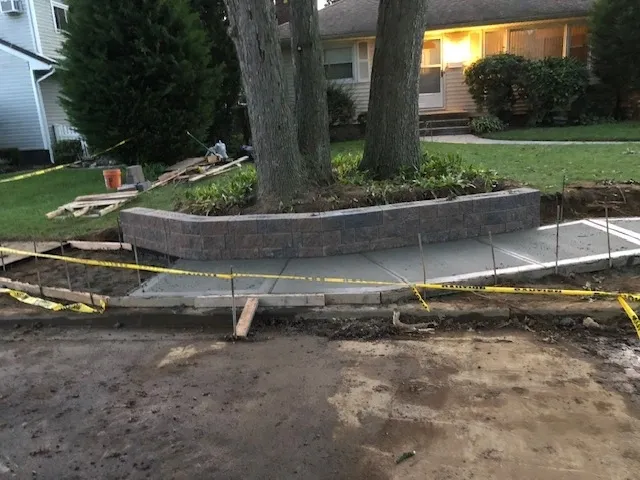
Cracked, heaved, or buckled concrete in your driveway, sidewalks, or patio indicates aggressive root growth beneath the surface. When you see concrete lifted or broken by roots in your hardscaping, those same roots are likely affecting your foundation. This is especially common with maple and willow trees that develop shallow, spreading root systems.
Watch for stair-step cracks in brick or block foundations. These diagonal cracks indicate differential settlement—exactly the kind of uneven foundation movement that tree roots cause through soil displacement. If these cracks appear on the side of your home closest to a large tree, that’s not coincidence.
Soft or wet areas in your yard during otherwise dry conditions signal potential root damage to underground utilities. Tree roots seeking moisture will find and exploit any weakness in pipes, creating leaks that saturate surrounding soil. These saturated areas often appear near foundations where utility lines enter homes, and they indicate that roots are actively working in that zone.
Your landscaping itself provides clues. Unusually lush patches of grass or extra-green vegetation in specific areas can indicate underground leaks caused by root intrusion into pipes. If you notice these green spots during dry periods when the rest of your lawn is struggling, roots have likely found a water source they shouldn’t have access to.
Pay attention to your trees themselves. If a mature tree suddenly shows stress—wilting leaves, dead branches, unusual growth patterns—it might indicate that emergency tree removal or root barrier installation has become necessary to protect your foundation. Ironically, healthy trees with aggressive root systems actually pose the greatest foundation risk because their extensive networks actively seek moisture beneath your home.
Interior Symptoms That Mean It's Time for Professional Assessment
Inside your home, foundation movement from tree roots shows up in ways that many Long Island homeowners initially dismiss as normal settling. Learn to recognize these symptoms for what they really are: warnings that your foundation is under stress.
Doors and windows that suddenly stick or won’t close properly indicate foundation movement. When your foundation shifts due to soil displacement from tree roots, it throws door and window frames out of alignment. If multiple doors start sticking around the same time, especially on one side of your house, tree roots could be extracting moisture from the soil on that side and causing your foundation to settle unevenly.
Uneven or sloping floors signal significant foundation problems. Place a marble on your floor in different rooms. If it consistently rolls toward one direction, your foundation has settled unevenly. This is exactly the kind of differential settlement that tree root activity causes through soil moisture changes. Don’t ignore this symptom—it indicates your foundation is already compromised and the problem will only worsen without intervention.
Gaps appearing between walls and ceilings, or between walls and floors, show that your home’s structure is moving. As tree roots extract moisture from soil beneath your foundation, that foundation settles and shifts, pulling walls away from ceilings and creating visible gaps. You might also notice cracks appearing in drywall or plaster, particularly near corners, windows, and doors where structural stress concentrates.
Plumbing issues can indicate root intrusion into your home’s pipes. Slow drains that don’t clear with normal treatments, changes in water pressure, or mysterious wet spots in your basement could mean tree roots have found their way into your plumbing system. Once roots enter pipes through small cracks or loose joints, they expand inside, creating blockages and further damage. This often happens simultaneously with foundation damage because the same aggressive root systems cause both problems.
If you’re experiencing multiple symptoms from this list, especially in combination with a large tree within 25 feet of your home, it’s time for professional assessment. The longer you wait, the more expensive the repairs become. Foundation problems don’t improve on their own—they only get worse.
Making Smart Tree Removal Decisions for Long Island Foundations
Tree removal isn’t always the answer, and sometimes it creates more problems than it solves. When you remove a mature tree, those extensive roots decay underground, creating voids that can cause foundation settlement. The soil that was held in place by roots can shift, and moisture patterns around your foundation change dramatically.
But leaving a problematic tree in place while it actively damages your foundation isn’t smart either. The key is professional assessment that considers your specific situation: your soil type, the tree species and its proximity to your home, existing foundation damage, and your long-term plans for the property. Sometimes root barriers, strategic root pruning, or improved drainage solve the problem without tree removal. Other times, removal is the only option that protects your investment.
What matters most is acting before minor foundation cracks become major structural failures. If you’re seeing warning signs—cracks, sticking doors, uneven floors, or exterior concrete damage—don’t wait for the problem to announce itself with basement flooding or foundation failure. We’ve protected Nassau and Suffolk County foundations for over 25 years, and we understand exactly how Long Island’s unique soils, weather patterns, and housing stock interact with tree root systems to create foundation problems. Get the assessment you need to make an informed decision about your trees and your foundation.