Interior Waterproofing
 Exterior Waterproofing
 Masonry
 Other services
The Smart Home Upgrade: Why Smart Sump Pump Installation is Trending for Spring Maintenance
Spring 2026 brings smart sump pump technology to Long Island basements. Discover why homeowners in Nassau and Suffolk Counties are choosing Wi-Fi-enabled flood protection over traditional systems.
Share:
Summary:
Your tax refund just hit your account. The snow finally melted. And your basement smells like it does every spring—damp, musty, and vaguely concerning.
If you’re a homeowner in Nassau or Suffolk County, you already know what Long Island’s high water table can do to a basement. What you might not know is that the sump pump sitting in your basement pit right now has no way to tell you when it’s about to fail. And when it does fail—usually during the next nor’easter when you’re at work or asleep—you’re looking at anywhere from $10,000 to $50,000 in water damage.
This spring, smart sump pump installation is changing that equation. Here’s what’s different, why it matters, and what Long Island homeowners need to know before the next storm hits.
What Makes a Sump Pump "Smart" and Why Long Island Needs It
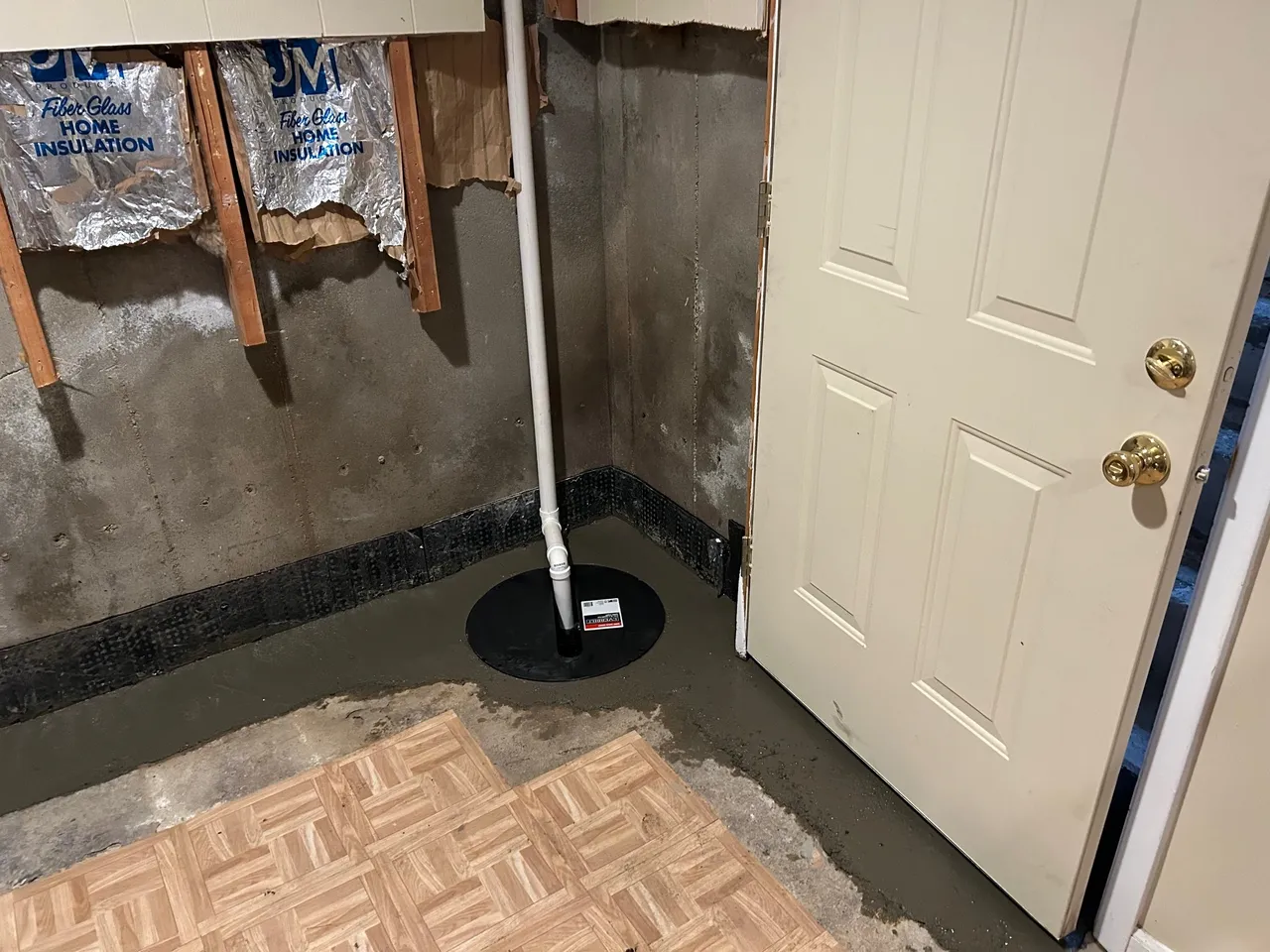
A smart sump pump isn’t a different kind of pump. It’s a traditional sump pump system enhanced with Wi-Fi connectivity, sensors, and monitoring technology that sends real-time alerts to your phone.
Think of it this way: your current pump turns on when water hits the float switch and turns off when the water level drops. That’s it. No diagnostics. No warnings. No alerts when the float gets stuck or the motor starts failing. You find out there’s a problem when you walk downstairs and step into three inches of water.
Smart systems change that. They monitor water levels continuously, track how often the pump runs, detect power outages, and alert you the moment something looks off. Some systems integrate with battery backups that kick in automatically when the power goes out—which matters more on Long Island than almost anywhere else, because our worst flooding happens during coastal storms that knock out power.
How Smart Sump Pump Systems Actually Work in Your Basement
The technology isn’t complicated, but it’s effective. A smart sump pump system includes sensors placed in your sump pit that continuously measure water levels. These sensors communicate with a Wi-Fi-enabled control unit that connects to your home network and sends data to an app on your phone.
When water starts rising faster than normal, you get an alert. When the pump cycles more frequently than usual, you get an alert. When power goes out during a storm, you get an alert. And if you’ve installed a battery backup system—which you absolutely should in Nassau or Suffolk County—the backup pump activates automatically while sending you a notification that it’s now protecting your basement.
The best systems also track pump performance over time. They’ll show you how many times your pump ran last month, how long each cycle lasted, and whether those numbers are increasing. That data tells you when your pump is working harder than it should, which usually means you’ve got a drainage problem developing or your pump is wearing out.
You can check everything from your phone. Water level. Pump status. Battery charge. Last cycle time. It’s the same concept as a smart thermostat or security camera, except it’s protecting the part of your home most vulnerable to Long Island’s geography.
Installation usually takes a few hours. If you’re replacing an existing pump, the process is straightforward—remove the old pump, install the new smart pump in the same pit, connect the Wi-Fi controller, and download the app. If you’re adding a battery backup, that requires a separate pump and battery system that sits alongside your primary pump and connects to the same discharge pipe.
The monitoring starts immediately. Most systems run a self-test every week to make sure everything’s working. You’ll get a notification if any component fails the test, giving you time to fix it before the next rainstorm.
Why Spring 2026 is the Right Time for This Upgrade
Three things are converging this spring that make smart sump pump installation particularly relevant right now for Long Island homeowners.
First, tax refunds. The average refund in 2026 is $3,571, and many homeowners are seeing even larger amounts due to recent tax law changes. That’s enough to cover a complete smart sump pump installation with battery backup and still have money left over. Homeowners consistently cite home repairs as one of the top uses for tax refunds, and spring is when that spending happens.
Second, post-winter conditions. Long Island just went through another freeze-thaw cycle. Foundation cracks that were hairline in November are wider now. Drainage systems that worked fine last summer are clogged with debris and sediment. Your sump pump has been sitting idle for months, and you won’t know if it’s still working until the first heavy rain. Spring is when these issues surface, and it’s the best time to address them before summer storms arrive.
Third, technology timing. Smart sump pump systems have matured significantly in the past two years. Early versions had connectivity issues and complicated setup processes. The 2026 models are plug-and-play, work with standard home Wi-Fi, integrate with other smart home systems, and cost roughly the same as traditional pumps once you factor in the battery backup most Long Island homes should have anyway.
If your current sump pump is seven to ten years old—meaning it was installed between 2014 and 2019—it’s already approaching the end of its expected lifespan. Replacing it proactively with a smart system costs about the same as emergency replacement after it fails, except you avoid the flood damage and the premium you’ll pay for emergency service during a storm.
The spring maintenance window is short. By the time summer arrives, contractors are booked solid, and you’re gambling that your aging pump will survive another hurricane season. Tax refunds give you the budget. Spring weather gives you the installation window. And the technology is finally where it needs to be.
What Long Island Homeowners Need to Know Before Installation
Not every basement needs the same solution, and not every smart sump pump system is built the same way. Long Island’s geography creates specific challenges that affect what kind of system will actually protect your home.
The high water table is the biggest factor. In much of Nassau and Suffolk County, groundwater sits just a few feet below the surface. After rain or snowmelt, that water rises and pushes against your basement floor and foundation walls. A standard 1/4 horsepower pump might handle light drainage, but it won’t keep up during a nor’easter when water is coming in faster than it can pump out.
You need to match the pump capacity to your specific situation. That means understanding how much water your basement deals with, how high the pump needs to lift that water to reach your discharge point, and whether your drainage system is directing water to the sump pit efficiently.

Battery Backup Isn't Optional on Long Island
Here’s the reality: 40% of sump pump failures happen because of power outages. And on Long Island, power outages happen during the exact storms that cause the worst flooding.
A coastal nor’easter rolls in. Heavy rain saturates the ground. Wind knocks out power lines. Your sump pump stops working. Water keeps coming in. By the time power comes back—which could be hours or even days—your basement is flooded.
Battery backup systems solve this problem. They’re secondary pumps powered by a deep-cycle marine battery that sits next to your primary pump. When the primary pump loses power, the backup pump activates automatically and keeps running until either the power comes back or the battery drains—which typically takes eight to twelve hours of continuous pumping.
Smart battery backup systems take this further. They monitor the battery charge level constantly and alert you if the battery is dying or if the backup pump has been running for an extended period. That second alert is critical because it tells you the storm is worse than normal and you might need to take additional action.
The cost difference between a standard smart sump pump and one with battery backup is usually $600 to $1,000. That sounds like a lot until you consider that a single flood event can cause $13,000 in damage on average, and some floods result in $50,000 or more in repairs. The battery backup pays for itself the first time it prevents a flood.
Some homeowners ask whether they can just use a generator instead. You can, but generators have their own problems. They need fuel, they need to be started manually, and they don’t help if you’re not home when the power goes out. A battery backup system works automatically, doesn’t need fuel, and protects your basement whether you’re there or not.
For Long Island specifically, battery backup should be considered standard equipment, not an optional upgrade. The combination of coastal storms and aging power infrastructure means you will experience power outages during severe weather. The only question is whether your basement will be protected when it happens.
Common Problems Smart Systems Catch Before They Become Floods
The real value of smart sump pump monitoring isn’t just knowing when your pump fails. It’s getting early warning about problems that will cause failure if you don’t address them.
Float switch issues are the most common. Over 60% of sump pump failures are caused by float switches that get stuck in the on or off position, or by clogged impellers that prevent the pump from moving water efficiently. A traditional pump gives you no indication this is happening until it fails completely. A smart system notices that the pump is cycling more frequently, running longer than normal, or not turning on when water levels rise. You get an alert days or weeks before the pump actually fails, giving you time to schedule a repair.
Discharge line problems are another frequent issue. If your discharge pipe freezes in winter, gets clogged with debris, or develops a blockage, water can’t exit your basement even though the pump is running. Smart systems detect this because the pump runs continuously without the water level dropping. That’s not normal behavior, and it triggers an alert.
Power fluctuations and electrical problems show up in the data too. If your pump is experiencing voltage issues or the circuit breaker is tripping intermittently, the smart system logs those events and alerts you to patterns that indicate an electrical problem developing.
Increased groundwater is something many Long Island homeowners don’t realize is happening until it’s too late. If your pump starts running twice as often as it did six months ago, that tells you groundwater levels around your foundation are rising. That could mean your exterior drainage has failed, your foundation grading has changed, or you’ve developed cracks that are letting more water in. Either way, you want to know about it before the next major storm.
The monitoring data also helps when you need professional service. Instead of calling a contractor and saying “my basement flooded,” you can show them exactly when the pump failed, how often it had been running before the failure, and what error codes or alerts the system generated. That makes diagnosis faster and repairs more accurate.
Long Island’s soil conditions—sandy in some areas, clay in others—mean water behavior around your foundation is unpredictable. Smart monitoring gives you visibility into what’s actually happening below ground, which is the only way to stay ahead of problems in this environment.
Protecting Your Long Island Basement This Spring and Beyond
Your basement is the most vulnerable part of your home to Long Island’s geography. High water tables, coastal storms, aging drainage systems, and post-winter foundation stress all create conditions where traditional sump pumps aren’t enough.
Smart sump pump installation changes the equation. You get 24/7 monitoring, instant alerts when problems develop, battery backup during power outages, and the ability to check your basement’s status from anywhere. It’s not about adding complexity—it’s about adding protection that actually works when you need it.
Spring 2026 is the right time to make this upgrade. Tax refunds are providing the budget, technology has matured to the point where these systems are reliable and easy to use, and you’ve got a narrow window before summer storms arrive. If your current pump is seven years old or older, you’re on borrowed time.
We’ve been protecting Nassau and Suffolk County basements for over 25 years. Our team understands Long Island’s specific challenges, from the high water table to the soil conditions that make standard solutions ineffective. We’ve completed over 500 projects and have the local expertise to match the right system to your specific situation.
Your basement doesn’t have to flood to tell you there’s a problem. Smart sump pump installation gives you the early warning system Long Island homeowners need.
Article details:
- Published by:
- Diamond Masonry & Waterproofing
- Published to:
- Last modified:
- April 21, 2026
Share:
Continue learning: