Summary:
Why Historic Stone and Brick Foundations Need Different Waterproofing
Walk into most basements built before 1940 in Garden City, NY or Old Westbury, NY and you’ll find stone or brick foundations held together with lime-based mortar. Gorgeous craftsmanship—unfortunately, it treats groundwater like an invited guest.
Truth is, these foundations weren’t designed for scuba diving. Your builder relied on optimistic soil and basic drainage to handle the rain. That worked when storms were manageable, but today’s weather is far more aggressive. Now, your walls face a high-pressure mid-life crisis they never signed up for.
The mortar deteriorates first. Lime mortar is softer than modern cement, which means it breaks down over time—especially when exposed to freeze-thaw cycles and constant moisture. Once those joints start failing, water has a direct path inside. And unlike poured concrete, stone and brick foundations have dozens, sometimes hundreds, of potential entry points.
How Pre-War Construction Materials Respond to Water
Early 1900s stone and brick weren’t built like modern bunkers; they absorbed water like a dry sponge. Those fieldstone foundations in Garden City? They’re essentially a collection of local rocks held together by “vintage” lime mortar. While the stones are tough enough to survive another century, the aging mortar gaps are starting to look like open invitations for the neighborhood water table to move in and get comfortable.
Brick foundations have their own mid-life crises. Pre-1900 bricks were often “soft-fired,” which is a polite way of saying they’re about as porous as a loaf of sourdough. Even if your bricks are the “tough guy” kiln-fired versions, the sheer number of mortar joints creates a massive network of potential leaks. It’s less of a structural wall and more of a very slow-motion sieve.
When water gatecrashes through these joints, it brings along uninvited dissolved salts from the soil. As the water evaporates inside your basement, it leaves behind that white, chalky “wall dandruff” known as efflorescence. This isn’t just a bad look; those salts crystallize inside the masonry, creating internal pressure that leads to spalling. That’s when your historic brick starts flaking off like a bad sunburn—definitely not the “character” you paid for.
Winter just adds insult to injury. Water trapped in the mortar freezes and expands, acting like a slow-motion wrecking ball inside your joints. Over the years, this “freeze-thaw” dance results in step-cracking or walls that look like they’re bowing inward from sheer exhaustion. That’s hydrostatic pressure—the weight of the saturated Long Island soil literally trying to push its way into your laundry room.
These historic foundations are vulnerable because they lack the “modern luxuries” we take for granted—like waterproof membranes or perimeter drainage. Back then, it was just brick, luck, and hope. In the Estates of Garden City or Old Westbury, a century of new driveways and “creative” neighboring landscaping has rerouted water straight toward your house. Your foundation is effectively playing a 1920s defense against a 2026 climate offense.
Understanding these quirks is vital because the “obvious” fix can often backfire. Slapping a modern waterproof coating on the exterior sounds logical, but if moisture is already inside the wall, you’ve basically just built a vertical aquarium. That trapped water is stubborn; it will find an exit, and it usually takes a chunk of your historic masonry with it. Protecting these homes requires a scalpel, not a sledgehammer.
What Non-Invasive Waterproofing Actually Means for Historic Homes
When you hear the term “non-invasive waterproofing,” it isn’t just fancy marketing speak designed to justify a higher bill—it is a core preservation principle. Historic homes in Garden City’s designated districts or Old Westbury’s sprawling estates often come with legal “character” guidelines that are more protective than a mother hen. But even if the historical board isn’t breathing down your neck, these preservation-minded approaches simply work better on old construction than trying to treat a 1910 build like a modern concrete bunker.
Non-invasive methods prioritize the “do no harm” rule, opting for solutions that don’t give your house a radical facelift it never asked for. This might mean installing interior drainage systems instead of digging a massive, muddy moat around your entire foundation. We use breathable sealants that let moisture vapor escape rather than modern barriers that trap it like a greenhouse. The goal is to manage the water without accidentally destroying the very features that made you fall in love with the property in the first place.
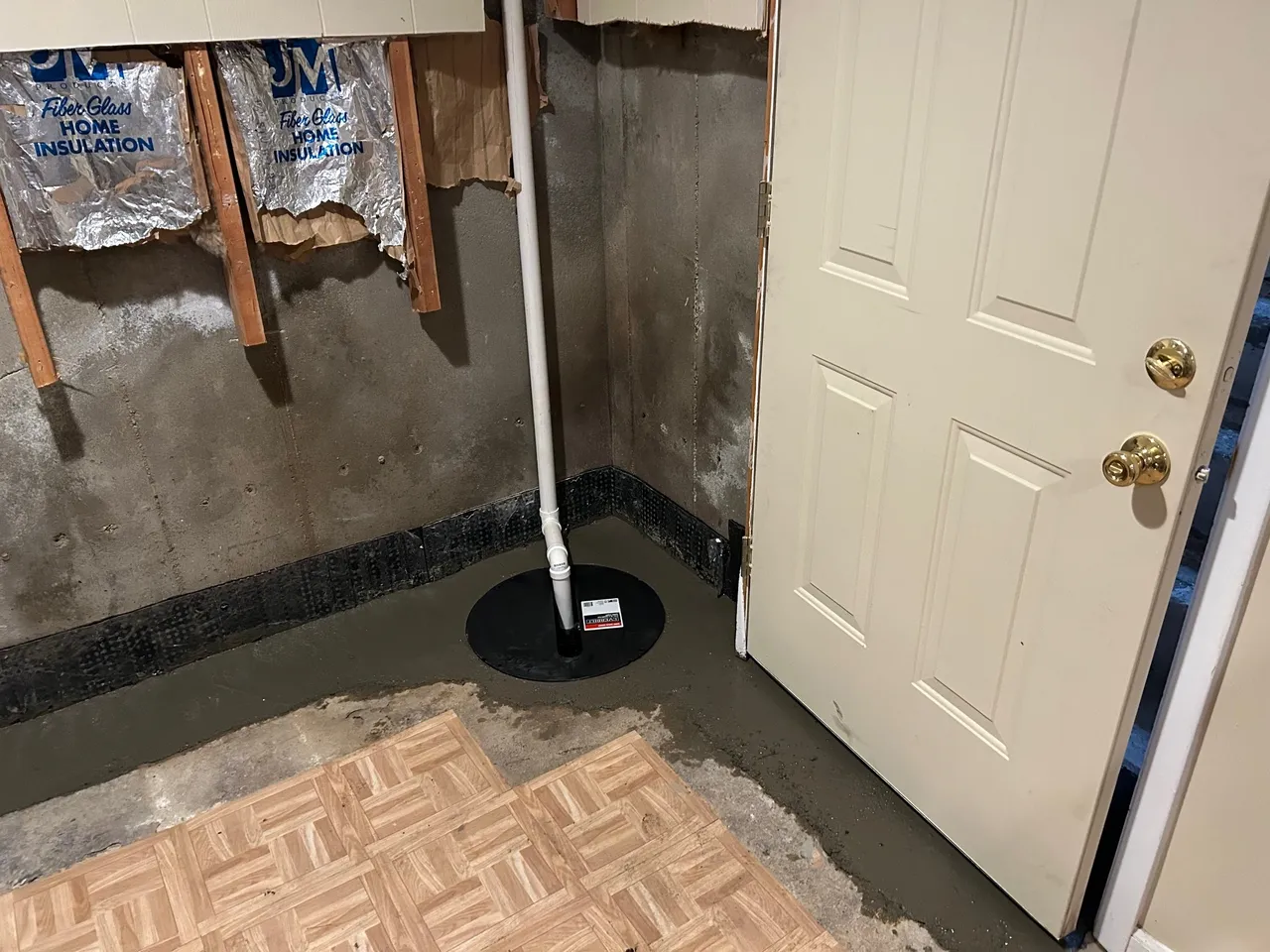
Interior waterproofing systems have evolved significantly since the days of “a bucket and a prayer.” Modern interior drainage—often called a French drain—involves tucking perforated pipe along the basement perimeter just below the floor slab. Water that seeps through the foundation is caught and whisked away to a sump pump before it ever touches your vintage rug. The beauty of this approach is that it solves the flooding problem without a backyard excavation project that looks like a search for buried treasure or destabilizes your century-old walls.
Vapor barriers are another non-invasive hero, and no, we aren’t talking about those 1970s plastic sheets that essentially acted as mold incubators. Modern vapor barrier systems are engineered to manage moisture while letting the wall “breathe” through its mid-life crisis. They are particularly effective on those irregular fieldstone foundations where achieving a perfect surface seal is about as likely as finding a parking spot in Manhattan. The barrier politely directs water down to the drainage system while keeping your basement smelling like a home rather than a damp cave.
Repointing is essentially a restorative spa treatment for your masonry that doubles as waterproofing, provided you use the right “skin care.” Using modern, rigid Portland cement on a historic lime-based foundation is a recipe for disaster; it’s like putting a steel splint on a yoga instructor—something is going to crack, and it’s usually your brick. Proper repointing uses lime-based mortar that matches the original in color and flexibility. It is certainly more labor-intensive, but it’s the only way to protect the structure without causing the stone to flake off in protest.
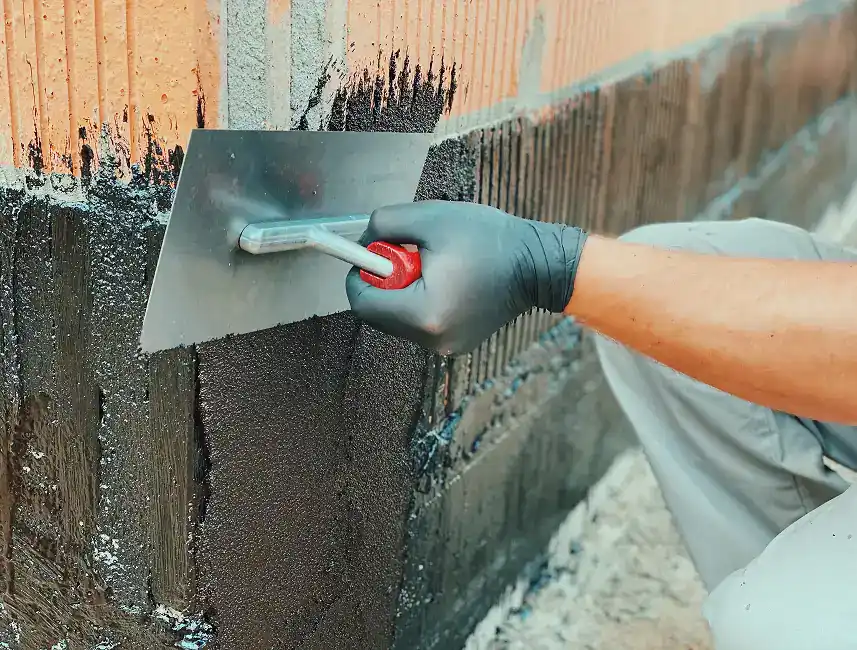
Crystalline waterproofing compounds offer a “sci-fi” solution that actually plays nice with historic materials. When applied to the interior, these compounds penetrate the masonry and react chemically to grow insoluble crystals inside the pores. It’s like the house is growing its own internal seal against microscopic leaks. Because this treatment becomes part of the wall itself, it won’t peel or delaminate like a cheap DIY paint job, and it doesn’t alter the appearance of your beautiful (and expensive) historic foundation.
What all these methods share is a healthy respect for the fact that historic buildings are basically living, breathing entities. They settle, they creak, and they expand and contract with the seasons like they’re doing a very slow-motion aerobic workout. Basement systems need to accommodate that movement rather than fighting it with rigid materials. Modern solutions often fail on historic buildings not because the tech is bad, but because it’s fundamentally incompatible with how a 1920s structure likes to function.
Finally, there is the massive advantage of reversibility—the ultimate “undo” button for homeowners. Preservation standards emphasize that your modifications should be reversible so future owners don’t spend decades cursing your name. An interior drainage system can be removed, and breathable sealants can eventually be cleaned off. But once you’ve encased a historic stone foundation in permanent spray foam or modern membranes, you’ve basically made a permanent, irreversible change that the building (and its resale value) might never forgive.
Common Waterproofing Challenges in Garden City and Old Westbury Homes
The homes in these Nassau County neighborhoods weren’t just built in the same era—they share a very specific set of environmental “growing pains.” Understanding the local deck you’ve been dealt helps you spot red flags before they turn into the kind of repair bills that make you consider moving into a tent.
Long Island’s soil has a total geological identity crisis. Some spots are giant sandboxes, while others have clay that grips water like a toddler with a juice box. Your property might be a mix of both, depending on how builders graded the lot. This means water acts like a trespasser, requiring a strategy tailored to your specific dirt.
High water tables are the unwanted neighbors that never leave, putting constant pressure on your foundation. During heavy rain, that pressure spikes and water hunts for the path of least resistance—your aging mortar. You might only see a puddle during a Nor’easter, or you could have a permanent basement “ambiance” that smells like a damp gym bag.
Identifying Water Problems Before They Become Structural Issues
Most water problems aren’t exactly masters of disguise; they usually announce themselves long before they cause a total catastrophe. The trick is recognizing those early “polite” warnings and acting before minor seepage evolves into a major structural mid-life crisis.
Musty odors are typically your first “scent-based” warning. That signature “eau de basement” isn’t a vintage home feature—it’s the smell of mold and mildew throwing a party in the damp dark. If your basement smells like a wet gym bag even when it looks dry, moisture is playing hide-and-seek behind your walls, likely in the corners that don’t get enough sunlight.
Efflorescence—those white, powdery “wall sparkles” on your foundation—is basically your house’s way of saying it’s processing too much salt. As water evaporates, it leaves mineral deposits behind like a salty souvenir. While it might look harmless, those salts are actually crystallizing inside the masonry, which is the structural equivalent of a very slow-motion heart attack you can’t see coming.
Staining or discoloration along the base of your walls acts like a “tattle-tale” bruise for water intrusion. You might see dark streaks, rust-colored spots from soil minerals, or areas where paint is bubbling and peeling away in protest. These aren’t just cosmetic “bad skin days” for your walls; they’re symptoms of a deep-seated moisture problem that no amount of primer can fix.
Cracking is the one thing you definitely shouldn’t “just live with.” While tiny hairline fractures might just be your house stretching its old joints, wide “staircase” cracks or horizontal splits are signs that the saturated soil outside is trying to push its way into your laundry room. If you can fit a dime in the gap, your house is essentially begging for a professional intervention.
Spalling—where the surface of your brick or stone starts flaking off like a bad sunburn—happens when trapped moisture freezes or salts create internal pressure. Once it starts, it’s a vicious cycle: the damaged surface allows even more water penetration, which leads to even more crumbling. It’s a destructive loop that eventually turns solid stone into something resembling a stale muffin.
Damp spots on the floor after a rainstorm are the ultimate “I told you so” from your foundation. Whether it’s a full-on indoor pool or just a lingering damp patch that won’t dry, it’s proof that water has breached the perimeter and is making itself at home. Left unaddressed, this leads to mold growth and the slow destruction of those “waterproof” bins you thought were safe.
Condensation on walls or pipes might look like a simple humidity issue, but it often means your basement is acting like a giant damp sponge. When your walls feel clammy to the touch, they’re exhaling moisture into the air. It’s not just “muggy” downstairs; it’s a sign that your foundation is saturated and your dehumidifier is likely fighting a very expensive, losing battle.
Wood rot in your floor joists or support beams is where the “historic charm” gets genuinely scary. If your masonry is wicking water up into your structural timber, you’re not just dealing with a leak—you’re dealing with a buffet for decay. Check your wooden beams for soft spots; if they feel more like a sponge than a support, your home is losing its structural backbone.
Mold growth, particularly the “villainous” black variety, is a sign that your basement has become a thriving ecosystem. If you’re seeing fuzzy growth on walls or heirlooms, the environment is officially too damp. Mold isn’t just an aesthetic nightmare; it’s a health hazard that your HVAC system is more than happy to broadcast to every other room in the house.
How Local Architecture Affects Your Waterproofing Approach
Garden City and Old Westbury homes share more than just prestigious zip codes; they share an architectural DNA that dictates exactly how water will try to break into your life. Understanding these patterns is the difference between making an informed investment in your home and just throwing money into a “historic” hole in the ground.
Many homes in these neighborhoods feature full basements with stone or brick foundations plunging six to eight feet into the earth. That is a massive amount of subterranean surface area for groundwater to bully. It’s important to remember that the deeper the basement, the higher the hydrostatic pressure—it’s essentially a high-stakes wrestling match between your foundation and the planet, and the planet never gets tired.
Victorian and Colonial Revival homes are famous for their “extra” features—turrets, bay windows, and fancy architectural projections. They are gorgeous for curb appeal but represent a logistical nightmare for drainage. Every one of those charming quirks creates a new corner where water can huddle up and plan its entry. It turns out “character” is often just another word for “complex waterproofing geometry.
Original drainage systems from the Roaring Twenties—if they existed at all—usually consisted of clay pipes that have long since crumbled into literal dust. Most of these homes originally relied on a prayer and some slanted dirt to move water away. But a century of settling soil, new patios, and “ambitious” landscaping means that what worked in 1920 is likely funneling a small river straight toward your fuse box today.
Garden City’s legendary tree-lined streets come with a hidden cost: subterranean sabotage. Those majestic mature trees are beautiful, but their roots are essentially moisture-seeking missiles that can crack foundation walls or create “express lanes” for water to reach your basement. To make matters worse, when a large tree is removed, the soil suddenly stops losing hundreds of gallons of water a day, leaving your foundation to soak up the unwanted surplus.
Old Westbury’s estate properties often deal with the “Gift of the Hill.” With larger lots and complex grading, you aren’t just managing the rain hitting your own roof; you’re managing the runoff from your neighbor’s higher elevation. If your property features slopes or retaining walls, your house is essentially sitting at the bottom of a very expensive funnel, making water management a full-time property management job.
Historic homes in both communities are often a “Frankenstein’s monster” of construction eras. You might have an original 1910 fieldstone foundation married to a 1950s concrete block addition. These materials don’t speak the same language when it comes to moisture, and the seam where “old meets new” is a prime target for leaks. It’s a generational gap that water is more than happy to exploit.
Finished basements are the ultimate “smoke and mirrors” of real estate. If a previous owner slapped up drywall without fixing the underlying moisture issues, you might have a high-end science project growing behind your mahogany paneling. It looks pristine until the day a mysterious puddle appears, revealing damage that’s been brewing for years. Any fix here requires a surgical touch to avoid turning your “man cave” into a total demolition zone.
The details that make your home a significant asset—original wrought iron, decorative brickwork, and custom windows—must be protected during waterproofing. You don’t want a contractor who treats your historic estate like a highway construction site. Whether the work is inside or out, the goal is to save the structure without sacrificing the “soul” of the house. A dry basement isn’t worth much if the rest of the home looks like it’s been through a war.
Solving these issues requires more than a DIY spirit; it takes specific expertise. What keeps a 1925 Tudor in Garden City dry might be a total disaster for a 1910 Colonial in Old Westbury, even if they’re only a few miles apart. Between the local soil chemistry and the unique way your house has settled over the last century, you need a plan that respects the history of the build while using modern technology to keep your socks dry.
Protecting Your Historic Investment with the Right Waterproofing Partner
Your home has survived world wars, disco, and several questionable interior design trends. With the right waterproofing, it’ll stand for another century without losing the “it” factor that made you buy it. The secret is realizing these aren’t just “old houses”—they’re basically architectural seniors that need a high-tech modern raincoat, not a complete personality transplant.
Using non-invasive techniques and compatible materials isn’t a “luxury” for historic stone—it’s a survival requirement. The wrong modern fix might stop water for a season, but it’ll eventually cause structural headaches that cost way more than doing it right. Don’t let a temporary patch turn your historic gem into a permanent, very expensive money pit.
We’ve spent 25 years playing “water detective” in historic basements across Nassau and Suffolk. With 500+ projects and 150 reviews, we’ve built a reputation for fair pricing and actually paying attention to the small stuff. When your Garden City or Old Westbury home needs protection, you need experts who treat your foundation with the respect its vintage soul deserves. Your basement should be dry, not a cautionary tale.