The Spring Sump Pump Audit: Preparing for April Showers in Nassau County

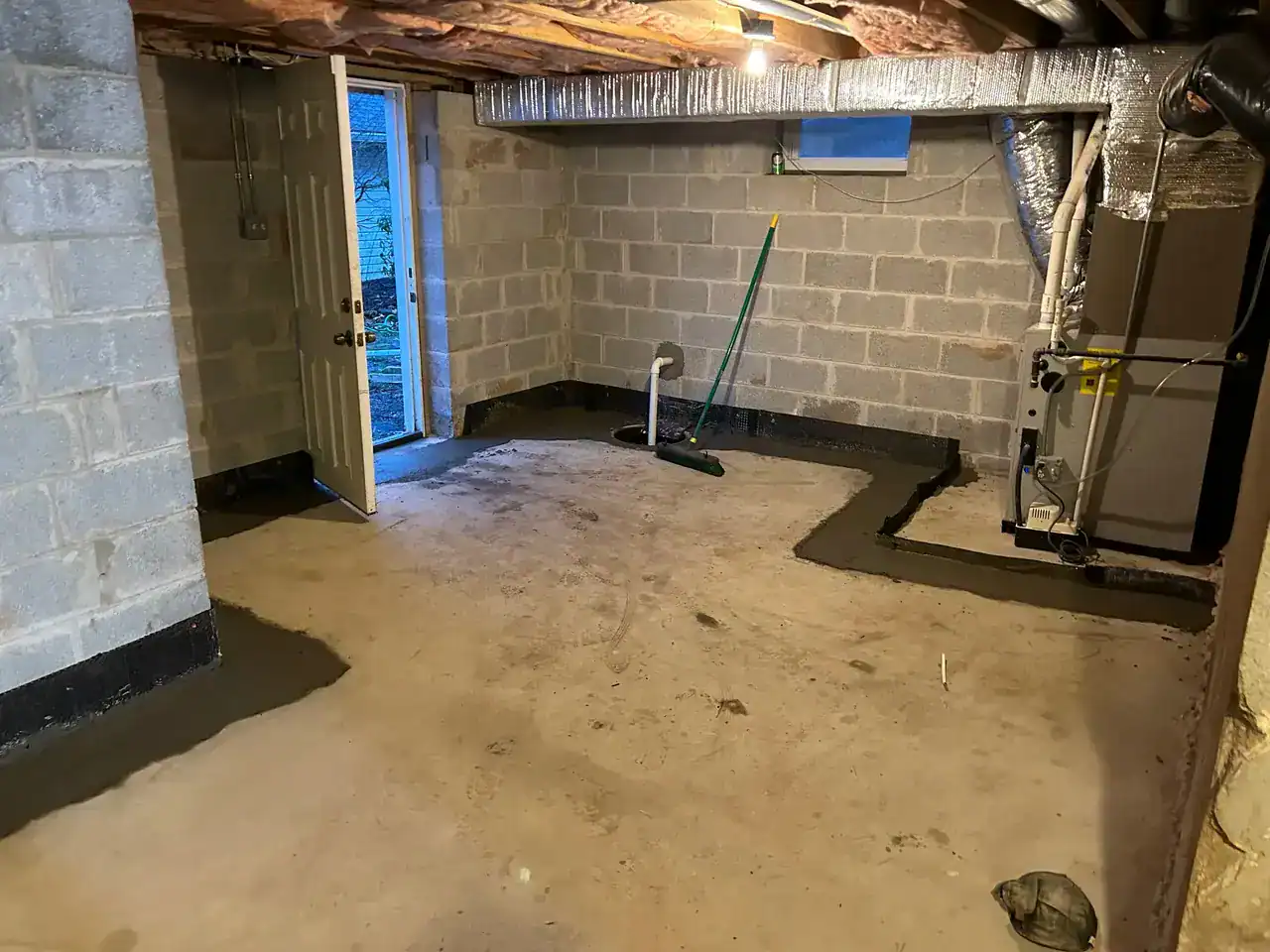
A basement with exposed ceiling, open door, broom, visible piping, and wet spots suggests need for water proofing.

Summary:

Spring brings heavy rainfall to Nassau County, and your sump pump needs to be ready. This guide walks you through the essential steps of a spring sump pump audit—from testing your pump’s float switch to clearing winter debris from discharge lines. You’ll learn what to check, when to call for professional help, and how our industrial-grade pump replacements can give you lasting protection. Don’t wait until the first storm to discover your pump isn’t working.
Table of contents
Your sump pump sat quiet all winter. Now April’s on the way, and with it comes the rain Long Island is known for. If your pump fails during the first heavy storm, you’re looking at inches of water in your basement, ruined belongings, and repair bills that climb fast. Most homeowners don’t think about their sump pump until it’s too late. But a simple spring audit—checking the basics, testing the system, and clearing out winter debris—can save you from a flooded basement and the headaches that follow. Here’s what you need to know before the rainy season starts.

Why Spring Maintenance Matters for Long Island Sump Pumps

Long Island’s geography makes spring particularly rough on basements. You’re dealing with a high water table, soil that’s a mix of sand and clay, and weather that swings from nor’easters to heavy summer storms. Add in the fact that your sump pump probably didn’t run much over the winter, and you’ve got a system that might not be ready when you need it most.

April showers don’t just bring flowers here. They bring hydrostatic pressure against your foundation. If your pump has been sitting idle for months, parts can rust, debris can settle, and mechanical components can fail right when the first major thunderstorm hits. Testing now means you’re not scrambling later.

What Happens to Sump Pumps During Winter

Winter is hard on sump pump systems, even if you don’t realize it. While your pump might not be running frequently during cold months, the discharge line outside is exposed to freezing temperatures, snow accumulation, and debris buildup. Snow can block the end of your discharge pipe. Dead leaves, twigs, and even leftover mulch from fall can pile up around the exit point.

Inside your basement, the sump pit itself can collect sediment, dirt, and small objects that found their way down there over the months. Toys, gravel, bits of drywall—anything sitting on your basement floor can end up in the pit. If that debris gets pulled into the pump when it kicks on, it can jam the impeller or clog the inlet screen.

The float switch, which tells your pump when to turn on, can also get stuck if it hasn’t moved in a while. Mineral buildup from standing water can cause it to stick in place. And if the float doesn’t rise with the water level, your pump won’t activate. You won’t know there’s a problem until water starts pooling on your basement floor.

Discharge lines are especially vulnerable. When water sits in the pipe and temperatures drop, it can freeze. Even a small amount of ice can create a blockage. When your pump tries to push water through a frozen line, it has to work harder. That extra strain can overheat the motor and lead to pump failure. Thawing and refreezing cycles throughout late winter make this even worse.

How Nassau County Weather Patterns Impact Your Basement

Nassau County sits in the Atlantic hurricane belt, which means you’re dealing with heavy rains from June through November. But spring is when things really ramp up. The ground is still saturated from winter snow melt, and April and May bring frequent rainstorms. When the soil can’t absorb water fast enough, it has nowhere to go but toward your foundation.

Homes in low-lying areas of Nassau and Suffolk Counties have it worst. If your property is near the water table or in a flood-prone zone, your sump pump isn’t optional—it’s essential. Even neighborhoods that don’t typically flood can see water intrusion during heavy spring storms, especially if drainage systems are overwhelmed.

Long Island’s soil composition adds another layer of complexity. Sandy soil drains faster but can shift over time, creating gaps where water travels. Clay soil holds water against your foundation, building up hydrostatic pressure. If you’re dealing with clay-heavy soil, your pump has to work harder to keep up during sustained rainfall.

Nor’easters are another factor. These coastal storms can dump inches of rain in just a few hours, and they often come with power outages. If your sump pump doesn’t have a battery backup and the power goes out during a storm, you’re left with no protection. That’s when basements flood, and the damage piles up fast—ruined flooring, soaked drywall, destroyed belongings, and potential mold growth within 24 to 48 hours.

How to Perform a Spring Sump Pump Audit

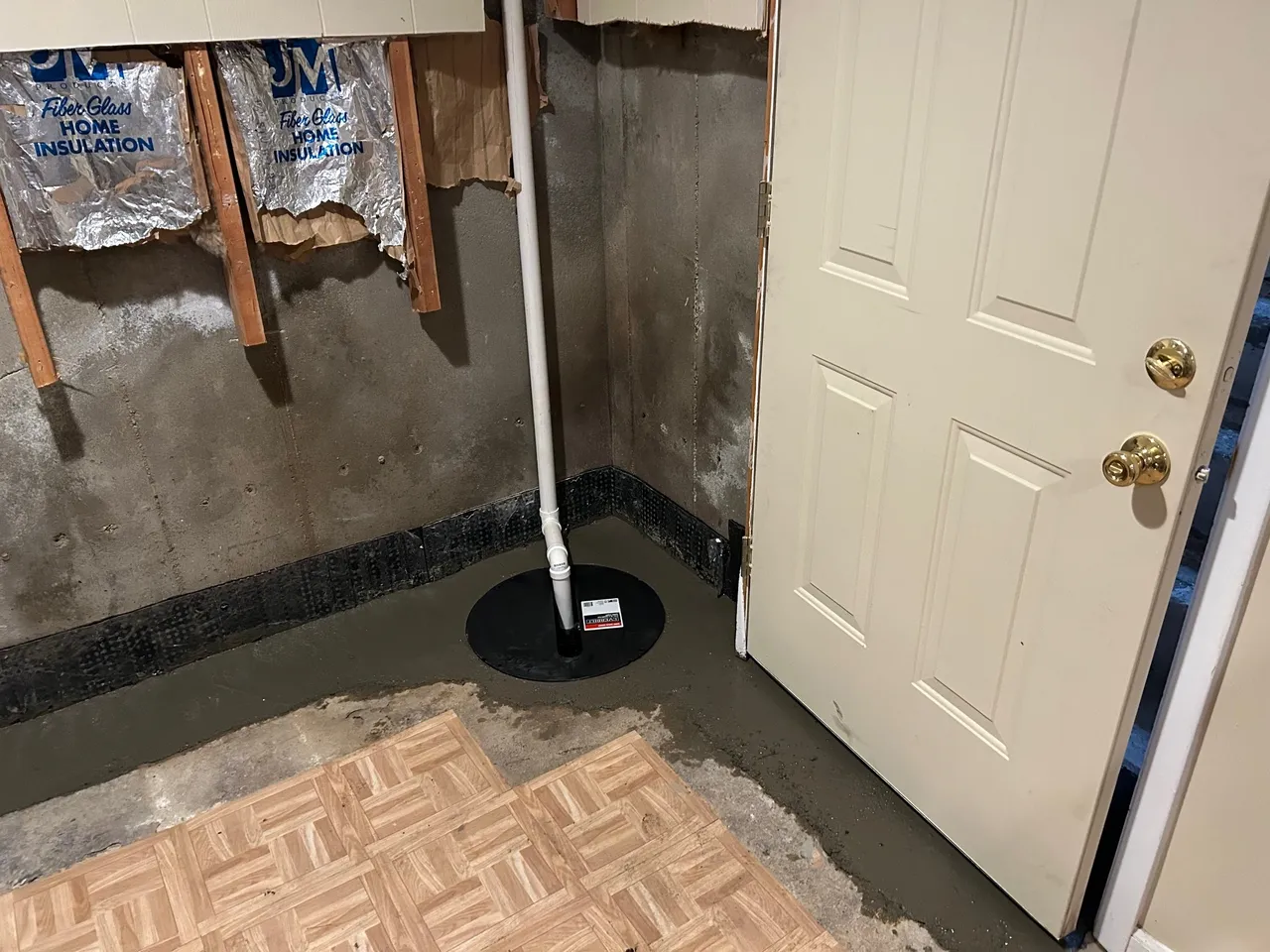
A spring sump pump audit doesn’t require special tools or technical expertise. You’re checking the basics—making sure the pump turns on, the float moves freely, and water can exit through the discharge line. Start by locating your sump pit. It’s usually in the lowest part of your basement, often in a corner or utility room.

Remove the lid if your pit has one. Look inside with a flashlight. Check for debris, standing water, or anything that looks out of place. If you see gravel, dirt, or objects in the pit, remove them carefully. Clear the area around the pump so the float switch can move without obstruction.

sump pump installation contractors

Testing Your Sump Pump Float Switch and Motor

The float switch is the most common part that fails on a sump pump. It’s responsible for activating the pump when water levels rise, and if it’s stuck or damaged, your pump won’t turn on. To test it, pour a bucket of water slowly into the sump pit. Watch the float as the water level rises. It should move freely upward, and when it reaches a certain height, the pump should kick on automatically.

If the pump doesn’t start, check that it’s plugged in. It sounds basic, but power cords can get unplugged during routine basement activity. If it’s plugged in and still not starting, the float might be tangled, the switch could be broken, or the motor might have failed. At that point, you’re looking at a repair or replacement.

While the pump is running, listen to how it sounds. It should hum steadily without grinding, rattling, or excessive vibration. Strange noises can indicate a damaged impeller, worn bearings, or debris caught inside the pump. If you hear anything unusual, turn the pump off and inspect further, or call a professional.

Once the pump has moved the water out, it should shut off on its own as the float drops back down. If it keeps running even after the water is gone, the float switch might be stuck in the “on” position, or there could be an issue with the pump’s internal controls. Continuous running will wear out the motor quickly and drive up your electric bill.

Most manufacturers recommend replacing the float switch every two years, even if it seems to be working fine. It’s a small part that plays a huge role in whether your pump functions when you need it. If your pump is more than seven years old, you might want to consider replacing the entire unit. Pumps don’t last forever, and it’s better to upgrade before a failure leaves you with a flooded basement.

Inspecting and Clearing the Discharge Line

The discharge line carries water from your sump pump out of your house and away from your foundation. If it’s clogged or blocked, the pump can’t do its job. Water will back up into the pit, and eventually, your basement. Head outside and find where your discharge pipe exits the house. The end of the pipe should be clear and unobstructed.

Check for debris buildup around the exit point. Leaves, mulch, snow, or ice can block the opening. Even small obstructions can restrict water flow enough to cause problems. Clear away anything blocking the pipe. If the discharge line ends near your foundation, make sure water is being directed at least 10 to 20 feet away from the house. Water that pools near your foundation will just seep back into your basement.

Inspect the pipe itself for cracks, leaks, or damage. If you see moisture along the joints, the connections might be loose or the pipe could be cracked. Damaged discharge lines reduce the efficiency of your pump and can cause water to drain back toward your foundation instead of away from it. Repair or replace any damaged sections before the rainy season starts.

If you live in an area where freezing is still a concern in early spring, check for ice buildup inside the discharge line. A frozen line can cause serious damage to your pump. Some homeowners install freeze guards or discharge line extensions that prevent ice blockages, but if you don’t have one, make sure the line is clear. You can use a hose or plumber’s snake to clear minor blockages, but if the line is severely clogged or frozen, you may need professional help.

Finally, test the discharge line while the pump is running. Watch where the water exits and make sure it’s flowing freely. If the water is trickling out slowly or backing up, there’s a blockage somewhere in the line. Address it now, before the first heavy rain puts your system to the test.

Protect Your Nassau County Home Before the Rain Starts

A spring sump pump audit is one of the simplest ways to avoid a flooded basement. Test your pump, clear your discharge line, and check for debris in the pit. If anything looks worn, damaged, or unreliable, address it now. Waiting until the first storm is too late.

If your pump is aging, struggling to keep up, or you’re dealing with recurring basement water issues, it might be time to upgrade to an industrial-grade system that can handle Long Island’s demanding weather. We’ve been protecting Nassau and Suffolk County homes for over 25 years with quality pump installations and comprehensive waterproofing solutions. Reach out to us for a professional assessment and make sure your home is ready for whatever April brings.