Tax Refund FAQs: Is Basement Waterproofing the Best Way to Reinvest Your Refund This Year?

Your tax refund could be the smartest money you spend this year—if you invest it in protecting your home from Long Island's spring flooding and post-winter water damage before the next storm.

Share:

basement waterproofing services in seaford

Summary:

Tax refunds in 2026 are projected to be significantly larger than previous years, giving Long Island homeowners real cash to reinvest in their properties. But with endless options, is basement waterproofing actually the best use of that money? For Nassau and Suffolk County homeowners dealing with spring flooding, post-winter foundation cracks, or recurring moisture issues, the answer is usually yes. This guide explores why basement waterproofing delivers both immediate protection and long-term value—and how to make the smartest decision with your refund before storm season hits.
Table of contents

You’ve filed your taxes. The refund is coming. And now you’re staring at a list of things your home needs—new appliances, landscaping updates, maybe a kitchen refresh. But if you’re a Long Island homeowner dealing with a damp basement, musty smells, or water pooling after every storm, there’s a different conversation worth having. Basement waterproofing isn’t glamorous. It won’t show up in your Instagram feed. But it might be the most important investment you make with that refund check—especially if you want to avoid a $10,000 emergency repair bill six months from now. Let’s talk about why waterproofing keeps coming up as the smartest move for Nassau and Suffolk County homeowners, and what you actually need to know before you spend a dime.

Why Long Island Homeowners Are Using Tax Refunds for Basement Waterproofing Right Now

Spring is here. And if you’ve lived on Long Island for more than a year, you know what that means—heavy rainstorms, rapid snowmelt, and basements that suddenly become indoor pools. It’s not your imagination. The ground around your home is still saturated from winter. The water table sits just a few feet below the surface in most of Nassau and Suffolk Counties. And when those April showers hit, all that water has nowhere to go but toward your foundation.

This isn’t a problem that fixes itself. Long Island sits on unique geography—high water tables, varying soil types, and coastal conditions that make basement water issues almost inevitable. Sandy soil near Long Beach lets water travel sideways toward your foundation. Clay pockets in Syosset trap moisture against your walls. And older homes built decades ago? Their drainage systems weren’t designed for today’s weather patterns.

That’s why homeowners are prioritizing basement waterproofing with their 2026 tax refunds. It’s not about luxury. It’s about preventing the kind of damage that costs five figures to repair and tanks your home’s resale value. And with refunds projected to be around $1,000 larger this year, you actually have the cash in hand to address it before the next storm rolls through.

What Happens to Your Home When You Ignore Post-Winter Basement Water Problems

Let’s get real about what you’re risking if you ignore that damp spot in the corner or the musty smell you’ve gotten used to after winter. Water damage doesn’t stay small. It compounds. And the longer you wait past spring maintenance season, the more expensive the fix becomes.

Start with the obvious—mold. It takes 24 to 48 hours for mold to start growing on a damp surface. Not weeks. Not months. Two days. Once it takes hold, you’re not just dealing with a waterproofing issue anymore. You’re dealing with mold remediation, which means contractors in hazmat suits, air quality testing, and bills that make you wish you’d just fixed the leak when it was manageable. This is especially common in Long Island basements after winter freeze-thaw cycles create new foundation cracks.

Then there’s the structural damage. Water weakens concrete. It compromises foundation integrity. It creates cracks that start small and widen over time. And when those cracks let more water in, you’re in a feedback loop that only gets worse. Basement flooding can cause anywhere from $10,000 to $25,000 in damage once you factor in repairs, mold cleanup, and replacing everything that got destroyed. Your tax refund could prevent all of that.

But here’s what really gets homeowners—the impact on your property value. When you go to sell, you have to disclose basement water issues. Buyers see that and either walk away or lowball you. A wet basement is one of the biggest red flags in real estate, especially in Nassau and Suffolk Counties where buyers know to look for it. It signals neglect, future problems, and a money pit. Even if you’re not planning to sell anytime soon, every month that water sits in your basement is a month you’re actively destroying equity in your home.

And let’s not forget the stuff you can’t put a price tag on—your family’s health. Mold causes respiratory issues, allergies, and asthma flare-ups. Damp environments attract pests. And if you’ve got kids or elderly family members living with you, those health risks aren’t theoretical. They’re real. So when you’re weighing whether to spend your tax refund on basement waterproofing or something else, remember—you’re not just protecting your house. You’re protecting the people living in it.

How Spring Weather and Post-Winter Conditions on Long Island Create the Perfect Storm

Spring on Long Island is beautiful—until your basement floods. And it’s not random bad luck. It’s geology, weather patterns, and timing all working against you at once. Understanding why spring is such a high-risk time helps you see why acting now, with your tax refund in hand, makes sense.

Winter leaves the ground saturated. Snow accumulates. Ice forms. And when temperatures start climbing in March and April, all that frozen water melts fast—faster than the soil can absorb it. At the same time, spring rainstorms roll through, dumping more water onto already-soaked ground. The result? Hydrostatic pressure builds around your foundation, pushing water through any crack, seam, or weak point it can find. This is the exact post-winter repair scenario that catches Long Island homeowners off guard every year.

Long Island’s high water table makes this worse. In many parts of Nassau and Suffolk Counties, groundwater sits just a few feet below the surface—sometimes even closer in low-lying areas along the South Shore. After heavy rain or snowmelt, that water table rises and pushes directly against your basement floor and walls. You don’t need visible cracks for water to get in. It seeps through porous concrete, through joints, through tiny openings you’d never notice.

And here’s the thing—this isn’t a one-time event. It’s a seasonal pattern. Every spring, the same conditions repeat. So if your basement flooded last April, it’s probably going to flood this April too. Unless you actually fix the underlying problem. That’s where using your tax refund for basement waterproofing comes in. It’s not about mopping up water after the fact. It’s about intercepting that water before it ever reaches your basement floor.

The timing matters too. If you wait until you’re ankle-deep in water to call a waterproofing company, you’re going to pay emergency rates and wait in line behind everyone else who also waited too long. But if you act now—in that window between tax refund season and peak storm season—you can get the work done on your schedule, at fair pricing, and have the system in place before the next deluge hits. That’s the difference between being proactive and being reactive. And it’s the difference between spending $2,000 on prevention and $20,000 on emergency repairs.

What Basement Waterproofing Costs and How Your Tax Refund Covers It

Let’s talk numbers. Because if you’re going to use your tax refund for basement waterproofing, you need to know what you’re actually paying for and whether it fits your budget. The good news? Most professional waterproofing solutions fall right in the range of what homeowners are getting back from the IRS this year.

Sump pump installation in Nassau and Suffolk Counties typically runs between $1,200 and $2,500, depending on whether you add a battery backup system. Foundation crack repair ranges from $1,000 to $10,000, depending on severity. Full interior waterproofing systems with French drains and perimeter drainage usually land in the $3,000 to $8,000 range for most Long Island homes. These aren’t small numbers, but they’re also not out of reach—especially when tax refunds are projected to be around $1,000 higher than last year.

Here’s the math that matters. If you’re getting a refund of $3,000 to $4,000, you can cover a complete sump pump installation with battery backup, or address multiple foundation cracks, or install an interior drainage system that solves your water problem for good. Compare that to what you’d spend if you ignored the problem—$10,000 for water damage cleanup, $15,000 for mold remediation, or $25,000 if you let it go long enough to cause structural issues. Suddenly, spending your refund on waterproofing doesn’t feel like an expense. It feels like the most financially responsible decision you could make.

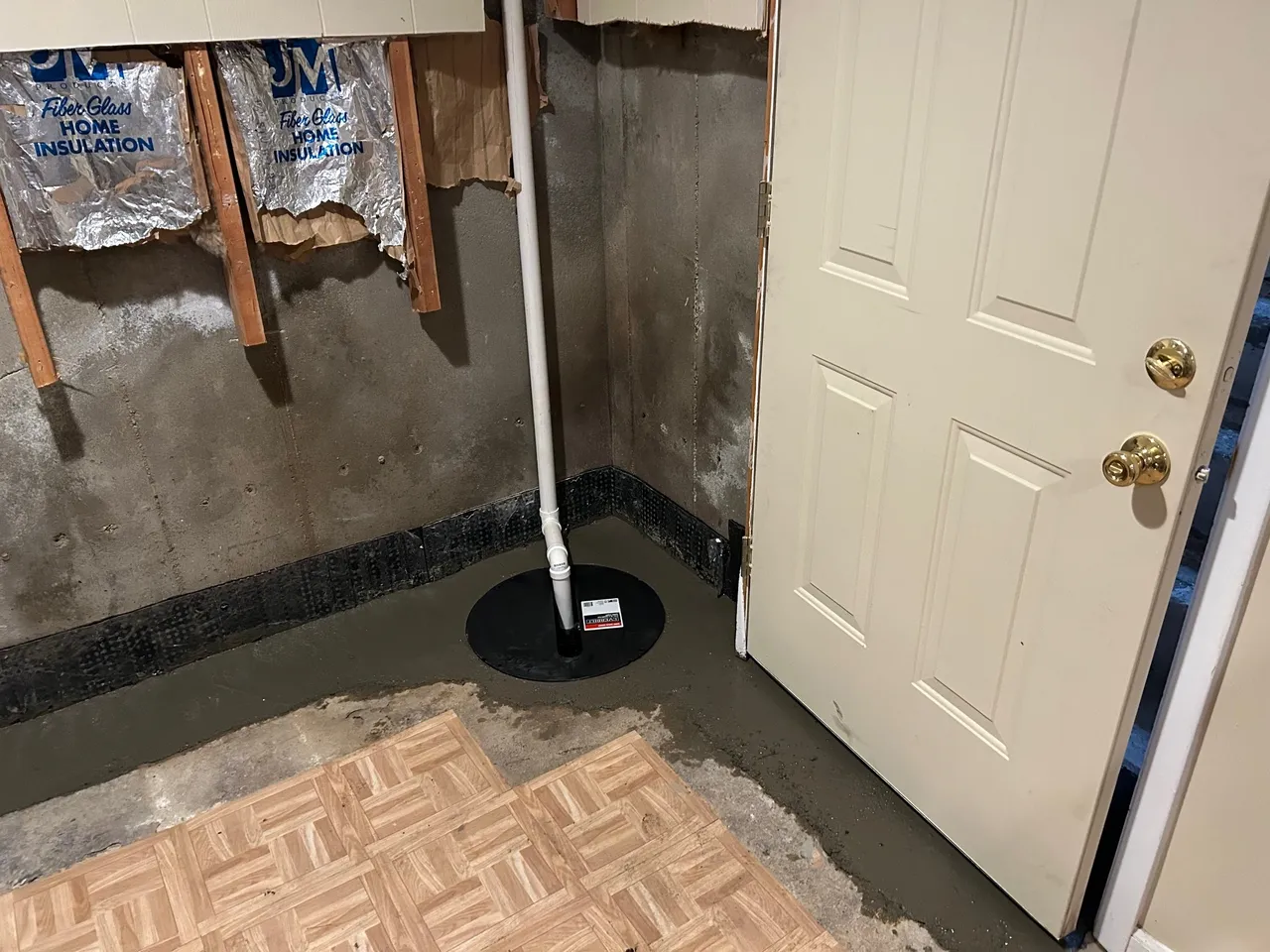
Wet concrete lines the basement wall, showing a common waterproofing project in Suffolk County, NY.

Why Basement Waterproofing Protects Your Home Value Better Than Cosmetic Upgrades

Here’s a question most homeowners don’t think about until it’s too late—what happens to your home’s value if you’ve got an ongoing water problem in the basement? The answer isn’t pretty. And it’s why investing your tax refund in waterproofing might actually deliver better ROI than that kitchen remodel you’ve been eyeing.

When you go to sell your home in Nassau or Suffolk County, you’re legally required to disclose basement water issues. Buyers see that disclosure and immediately start calculating risk. They’re thinking about mold, structural damage, and future repair costs. And they’re either walking away or slashing their offer to account for the problem they’re inheriting. A wet basement can easily knock $10,000 to $30,000 off your selling price—sometimes more if the issue looks severe. That’s your tax refund money, plus years of equity, disappearing because you didn’t address the problem when you had the chance.

But flip that scenario. Imagine you’ve already waterproofed the basement. You’ve got a professional system in place—French drains, sump pump, sealed cracks, the works. Now when buyers walk through, they see a dry, functional space. They see a homeowner who took care of problems instead of hiding them. And if you’ve got documentation and a warranty to back it up? That’s a selling point, not a liability. That’s what smart tax refund spending looks like.

The same can’t be said for a lot of home improvements. New countertops are nice, but they don’t prevent catastrophic damage. A fresh coat of paint looks great, but it doesn’t protect your foundation. Waterproofing is one of the few upgrades that actually prevents your home from losing value. It’s defensive spending that pays off whether you sell next year or ten years from now.

And here’s the bonus—it makes your basement usable. If you’ve been treating your basement like a storage dungeon because it’s too damp or musty, waterproofing changes that. Suddenly you’ve got livable square footage. You can finish it, rent it out, or just stop worrying every time it rains. That’s not just financial value. That’s quality of life. And you can’t put a price tag on peace of mind when spring storms roll through Long Island.

Why Long Island Basement Waterproofing Requires Local Expertise You Can't Get Anywhere Else

Not all basement waterproofing is created equal. And not all waterproofing companies understand what makes Long Island different. If you’re going to spend your tax refund on this, you need to work with people who actually know what they’re dealing with—because the soil conditions, water tables, and drainage challenges here aren’t like anywhere else.

Take soil composition. Sandy soil near Long Beach behaves completely differently than the clay you’ll find in Syosset. Coastal flooding in Freeport requires different solutions than what works in Huntington. And homes built in low-lying areas along the South Shore face challenges that North Shore properties don’t. A one-size-fits-all approach doesn’t work here. You need a system designed for your specific property, your specific soil, and your specific water table. That’s what 25 years of local experience delivers.

That’s where we make the difference. When you’ve completed over 500 projects across Nassau and Suffolk Counties, you’ve seen every possible basement configuration, every soil type, and every drainage nightmare Long Island can throw at you. We know which systems work and which ones fail. We know how deep to install French drains for Long Island water tables. We know where to position sump pumps so water doesn’t just cycle back. And we know how to integrate solutions that account for our unique geography instead of fighting against it.

National franchises don’t have that knowledge. They’re running templated systems that work in Ohio or Texas but fall apart here. And when those systems fail, you’re stuck with a flooded basement and a company that doesn’t understand why their “proven method” didn’t work. That’s not a risk worth taking with your tax refund.

You also want a team that’s going to surface hidden problems before they become expensive emergencies. We don’t just install a sump pump and call it done. We inspect your foundation for cracks. We check for termite damage that’s common in Long Island’s coastal climate. We evaluate your exterior drainage and grading. We look at the whole picture because we know that basement water problems are rarely caused by just one thing. And when we find issues you didn’t know existed—like foundation cracks hidden behind finished walls or deteriorating sill plates—we address them proactively instead of waiting for them to blow up into bigger problems.

That’s the difference between hiring someone who understands Long Island and hiring someone who’s just running a script. One protects your investment. The other takes your money and leaves you hoping for the best. And when you’re spending a few thousand dollars of your tax refund, hoping isn’t good enough.

Making the Smart Choice With Your 2026 Tax Refund

Your tax refund is an opportunity. Not just to spend money, but to invest it in something that actually protects your home, your family, and your financial future. Basement waterproofing isn’t sexy. It won’t impress your neighbors. But it will keep your basement dry during the next spring storm. It will prevent mold from growing in your walls. And it will save you from the kind of emergency repair bills that wipe out savings accounts.

If you’re in Nassau or Suffolk County and you’ve been dealing with damp basements, musty smells, or water that shows up every time it rains, this is your moment. Spring is coming. The post-winter repair season is here. And you’ve got the cash in hand to actually fix the problem before it gets worse. The question isn’t whether you can afford to waterproof your basement. It’s whether you can afford not to.

We’ve been helping Long Island homeowners solve these exact problems for over 25 years. If you’re ready to stop worrying about your basement and start protecting your home, now’s the time to make it happen.

Article details:

Share: