Post-Hurricane Restoration: A Long Island Guide

Summary:

Hurricane flooding doesn’t end when the storm passes. For Long Island homeowners in Nassau and Suffolk Counties, the real work begins immediately—removing water, preventing black mold, and protecting your foundation from permanent damage. This guide walks you through the urgent steps you need to take after storm damage, from safety checks to permanent waterproofing solutions. You’ll learn why the first 48 hours matter most, how to prevent mold in Long Island’s humid climate, and what professional restoration actually involves.
Table of contents
The storm has passed. You’ve ventured downstairs to find standing water covering your basement floor, and that sinking feeling in your stomach tells you this isn’t something a wet vac and a fan can fix. If you’re a homeowner in Nassau or Suffolk County dealing with hurricane flood damage, you’re facing decisions that need to happen fast—not next week, not when you have time to think it over, but right now. The difference between acting today and waiting until tomorrow could mean the difference between a manageable restoration and a mold crisis that costs tens of thousands. Here’s what you actually need to know about post-hurricane basement restoration, stripped of the panic and focused on what matters.

What Happens to Your Basement After Hurricane Flooding

Water doesn’t just sit there. Once it’s in your basement, it’s already soaking into drywall, seeping behind finished walls, and saturating anything porous it touches. Long Island’s humidity makes this worse—even after you pump out standing water, moisture lingers in the air and materials.

Your basement might look dry on the surface while water is still trapped in wall cavities, insulation, and the concrete itself. That hidden moisture is where your real problems start. The clock starts ticking the moment water enters, and you’re not just dealing with puddles—you’re racing against mold growth, structural damage, and contamination from whatever that floodwater carried in with it.

On Long Island, basement flooding after hurricanes often involves more than just rainwater. Storm surge, overwhelmed drainage systems, and rising water tables all contribute to the problem. Understanding what you’re actually dealing with helps you respond appropriately instead of guessing.

Why the First 24-48 Hours Are Critical for Mold Prevention

Mold doesn’t wait for you to figure things out. In Long Island’s humid climate, mold spores start colonizing damp surfaces within 24 to 48 hours of water exposure. Once it takes hold, you’re not just dealing with water damage anymore—you’re dealing with a health hazard that requires specialized remediation.

Black mold is the one everyone worries about, and for good reason. It thrives in exactly the conditions a flooded Long Island basement provides: moisture, warmth, and organic materials like drywall and wood framing. The spores become airborne, circulating through your home’s ventilation system and affecting air quality throughout the entire house.

You’ll smell it before you see it. That musty, earthy odor isn’t just unpleasant—it’s your warning that mold is already growing somewhere, even if it’s hidden behind walls or under flooring. By the time visible mold appears, the problem is usually much larger than what you can see.

The health impacts aren’t minor. Respiratory issues, asthma flare-ups, chronic coughing, and skin irritation are common reactions. For children, elderly family members, or anyone with compromised immune systems, the risks increase significantly. Some people develop long-term sensitivity to mold that doesn’t go away even after the mold is removed.

This is why we emphasize speed when responding to storm damage. We’re not trying to upsell you on urgency—we’re trying to keep a water problem from becoming a mold problem. Once mold remediation enters the picture, your costs multiply and your timeline extends by weeks.

The solution isn’t complicated, but it requires immediate action. Remove standing water, dry everything thoroughly within 48 hours, and get rid of anything that can’t be completely dried. Fans and dehumidifiers running continuously. Windows open when outdoor humidity is lower than indoor. Professional-grade moisture meters to verify materials are actually dry, not just dry to the touch.

Storm Damage Basement Safety: What to Check Before You Start Cleanup

Before you do anything else, you need to know it’s safe to be down there. Floodwater and electricity are a deadly combination, and structural damage isn’t always obvious until someone puts weight on a compromised floor or leans against a weakened wall.

Turn off the power to your basement at the main breaker if you haven’t already. Don’t assume it’s fine because the lights aren’t on—water can energize outlets, appliances, and metal fixtures even when switches are off. If your electrical panel is in the basement and you can’t reach it safely, call an electrician before you go down there.

Check for structural damage from outside if possible. Look for cracks in the foundation, bowing walls, or gaps that weren’t there before. Hurricane-force winds and flooding can shift foundations, especially in older Long Island homes where settling has already created vulnerabilities. If you see significant structural changes, you need a professional assessment before entering.

The water itself is contaminated. It’s not just rainwater—it’s picked up sewage, chemicals, bacteria, and everything else it touched on its way into your basement. Treat it like a biohazard. Wear waterproof boots, gloves, and eye protection. If you have any open cuts or wounds, keep them covered and avoid contact with the water entirely.

Gas leaks are another concern. If you smell gas or suspect a leak, evacuate immediately, don’t use anything that could create a spark, and call the gas company from outside. Don’t try to locate the leak yourself or turn anything on or off.

Document everything before you start moving things. Take photos and videos of the water level, damaged items, and any visible structural issues. Your insurance company will want this documentation, and FEMA assistance programs require proof of damage. Don’t wait—start recording as soon as it’s safe to do so.

Once you’ve confirmed it’s safe, identify where the water came from. Is it still coming in? A broken pipe, failed sump pump, or foundation crack that’s actively leaking needs to be addressed before you can make any real progress on cleanup. You can’t dry out a basement while water is still entering.

Emergency waterproofing after a hurricane: step-by-step recovery

Recovery follows a specific sequence. Skip steps or do them in the wrong order, and you’ll end up doing the work twice or dealing with problems that could have been prevented.

Start with water removal. Pumps, wet vacs, and professional extraction equipment get standing water out fast. The goal is to remove as much water as possible in the first few hours. Every hour that water sits is another hour of absorption into your foundation, walls, and flooring.

Once the bulk of the water is gone, drying becomes your focus. This isn’t passive—it requires active intervention with industrial fans, dehumidifiers, and constant air circulation. Open windows and doors when outdoor humidity is lower than indoor levels. In Long Island’s climate, this might only be certain times of day, so you’ll need to monitor conditions.

A damaged sailboat lies stranded on rocks and sand, surrounded by debris and palm trees, near a road and waterfront after a storm. Power lines and scattered buildings are visible in the background.

Water Extraction and Sanitization Process

Professional water extraction goes beyond what a homeowner can do with a shop vac. We use truck-mounted pumps and industrial extractors that remove thousands of gallons quickly. Speed matters because every hour of exposure increases absorption and damage.

After extraction comes sanitization. Floodwater carries bacteria, sewage, and contaminants that don’t disappear when the water does. Everything the water touched needs to be cleaned with antimicrobial solutions. This includes floors, walls up to the water line, any furniture you’re keeping, and structural elements like floor joists and wall studs.

Some materials can’t be saved. Drywall that’s been submerged, carpet and padding that sat in water, insulation that got wet—these need to be removed and discarded. They can’t be dried thoroughly enough to prevent mold, and trying to save them just creates ongoing problems. It’s not what you want to hear when you’re looking at the cost of replacement, but it’s the reality of flood damage.

The sanitization process isn’t optional. You’re not just preventing mold—you’re eliminating bacteria and pathogens that can cause illness. We use EPA-registered disinfectants applied at the correct concentrations and contact times. Spraying some bleach water around doesn’t accomplish the same thing.

Drying verification matters. Materials might feel dry on the surface while still holding moisture inside. We use moisture meters to test drywall, wood framing, and concrete, ensuring readings are below the threshold where mold can grow. This typically means wood moisture content below 15% and concrete below specific levels depending on the material.

Air quality testing can reveal hidden mold growth. If you’re smelling mustiness but can’t locate visible mold, testing identifies whether spores are present at elevated levels. This helps determine if you need mold remediation beyond what standard cleaning provides.

The timeline for complete drying varies. In ideal conditions with professional equipment, you might achieve it in 3-5 days. In a humid Long Island summer with limited air circulation, it could take two weeks or more. Don’t rush this step—incomplete drying guarantees mold problems later.

Permanent Waterproofing Solutions to Prevent Future Flooding

Once your basement is dry and sanitized, the question becomes: how do you make sure this doesn’t happen again? Cleaning up after a flood is expensive and disruptive. Doing it every time a major storm hits isn’t sustainable.

Permanent waterproofing addresses the root causes of water intrusion, not just the symptoms. This means looking at both interior and exterior solutions depending on where water is entering and why your current setup failed.

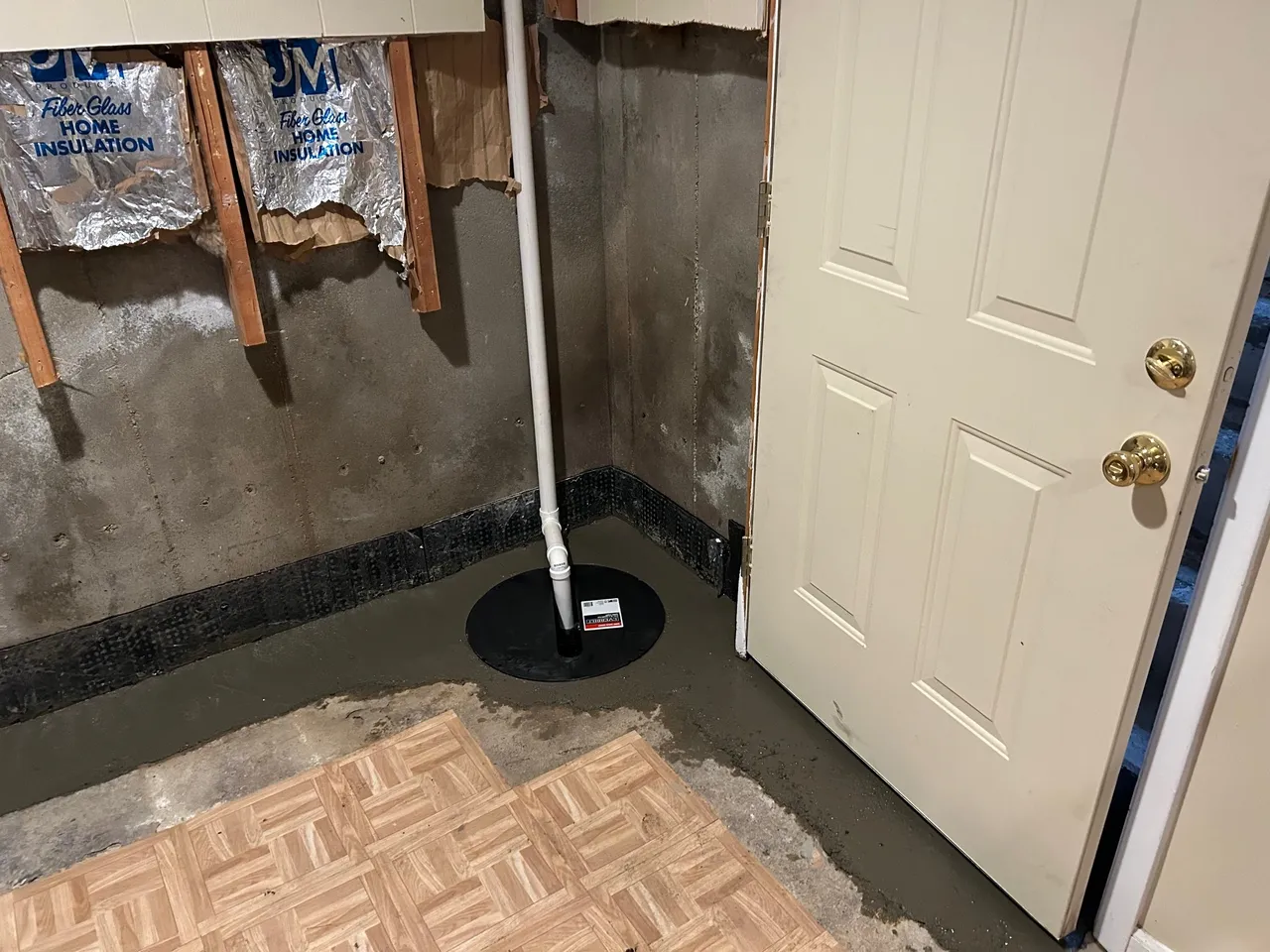
Interior waterproofing manages water that’s already penetrating your foundation. French drain systems installed along the basement perimeter collect water and channel it to a sump pump, which then moves it away from your home. These systems work with hydrostatic pressure rather than trying to fight it—they give water a controlled path instead of letting it find its own way through cracks and joints.

Sump pumps are only effective if they’re properly sized and have battery backup. Long Island storms often knock out power, which means your pump stops working exactly when you need it most. Battery backup systems kick in automatically, continuing to remove water even during extended outages. It’s not optional equipment—it’s essential.

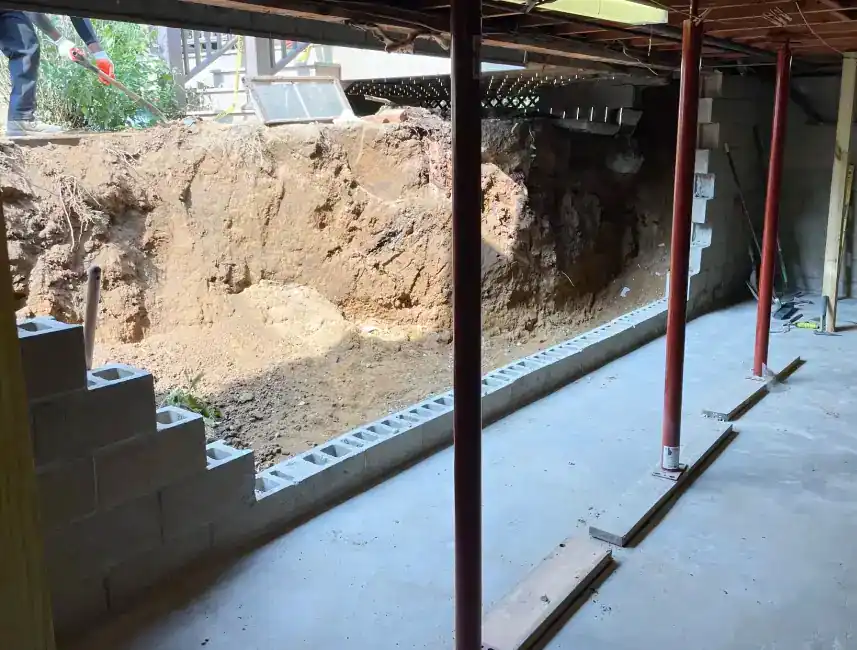
Exterior waterproofing stops water before it reaches your foundation walls. This involves excavation around your home’s perimeter, application of waterproof membranes to foundation walls, and installation of drainage systems that redirect water away from the structure. It’s more invasive and expensive than interior solutions, but it’s also more comprehensive for serious water problems.

Foundation crack repair is part of the waterproofing process, not separate from it. Water finds the path of least resistance, and cracks provide that path. Professional repair involves more than just filling the crack with sealant—it requires proper cleaning, structural assessment to determine if the crack indicates larger foundation issues, and injection or patching with materials designed for long-term performance in wet conditions.

Grading and drainage improvements around your property make a significant difference. If your yard slopes toward your house instead of away from it, water naturally flows toward your foundation during storms. Regrading directs water away from the structure. Downspout extensions, properly maintained gutters, and French drains in your yard all contribute to keeping water away from your basement.

The best approach often combines multiple solutions. Interior drainage and sump pumps to handle water that does penetrate, exterior waterproofing on problem walls, foundation crack repairs, and improved site drainage. It’s not about picking one method—it’s about creating a comprehensive system that addresses your specific vulnerabilities.

Long Island’s soil conditions and water table require solutions designed for local conditions. Clay soil holds water and expands when wet, creating constant pressure against foundation walls. High water tables mean groundwater is always present below your basement floor. Generic waterproofing approaches that work in other regions often fail here because they don’t account for these factors.

Protecting Your Long Island Home After the Storm

Hurricane flood restoration isn’t something you want to face, but if you’re dealing with it, you need to move fast and make informed decisions. The first 48 hours determine whether you’re managing water damage or fighting a mold crisis. Safety comes first, documentation comes second, and then you’re into the hard work of extraction, drying, and sanitization.

The goal isn’t just to clean up after this storm—it’s to make sure the next one doesn’t put you through this again. Permanent waterproofing solutions designed for Long Island’s challenging conditions give you that protection. French drains, sump pumps with battery backup, foundation repairs, and exterior waterproofing systems work together to keep your basement dry year-round.

If you’re in Nassau or Suffolk County dealing with storm damage to your basement, we’ve been solving these exact problems for over 25 years. We understand Long Island’s soil, water table, and storm patterns, and we know which solutions actually work long-term versus which ones just postpone the problem.