
 Interior Waterproofing
 Exterior Waterproofing
 Masonry
 Other services
Sump Pump Installation in Center Moriches, NY
Your Basement Stays Dry When It Matters Most
Hear About Us
Basement Flood Protection Center Moriches
You hear rain hitting the roof and you don’t panic. Your sump pump kicks on, water gets pumped out, and your basement stays dry. That’s what proper installation gets you.
Most Center Moriches homes built in the 70s and 80s sit on marsh land that’s barely two feet above sea level. When we got 10 inches of rain last August, basements flooded because pumps couldn’t keep up or power went out and backup systems failed. The right setup prevents that.
A properly sized submersible sump pump handles 2,500 to 4,000 gallons per hour depending on your basement size and how fast water comes in. Add a battery backup system and you’re covered even when the power cuts out—which is exactly when you need it most. Your finished basement, your belongings, your foundation—they all stay protected because the system does its job without you having to think about it.
Sump Pump Specialists Center Moriches
We’ve handled over 500 basement waterproofing projects across Nassau and Suffolk Counties at Diamond Masonry & Waterproofing. We know Long Island homes. We know the soil conditions, the water table issues, and what happens during hurricane season when the ground gets oversaturated.
Center Moriches homeowners deal with specific challenges—aging infrastructure from homes built in the 70s, low elevation that makes flooding worse, and storm patterns that dump heavy rain fast. We’ve installed sump pump systems in this area long enough to know what works and what fails when you actually need it.
When we assess your basement, we’re looking for more than just where to put the sump pit. We find foundation cracks you didn’t know about, drainage issues that make flooding worse, and hidden problems that’ll cost you later if they’re not addressed now. You get a system that actually solves the problem, not just treats symptoms.

Our Sump Pump Installation Process
We start with a basement assessment to figure out where water enters, how much comes in during heavy rain, and what size pump you actually need. Not every home needs the same setup. Your basement’s square footage, your property’s elevation, and how your foundation was built all matter.
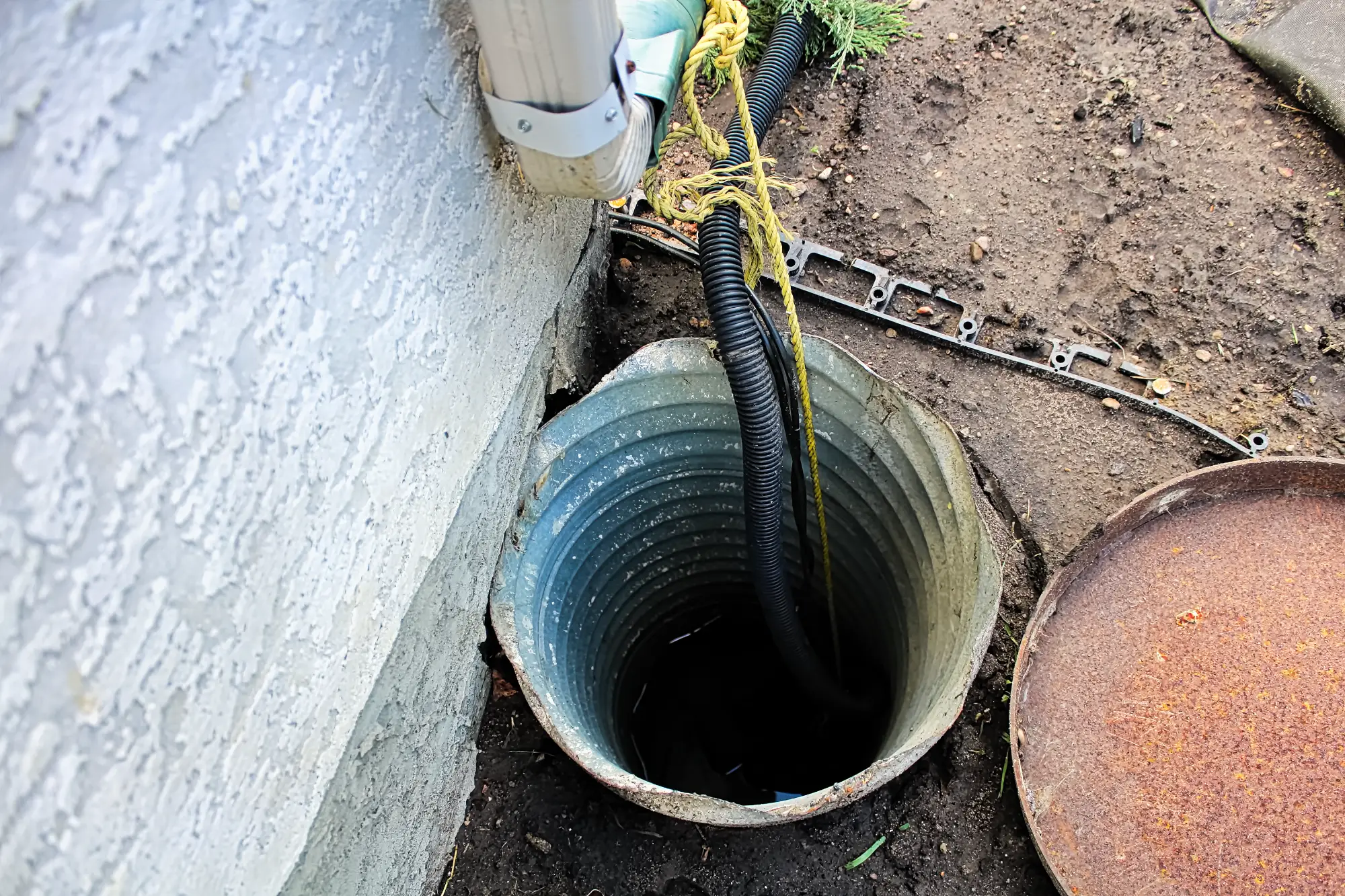
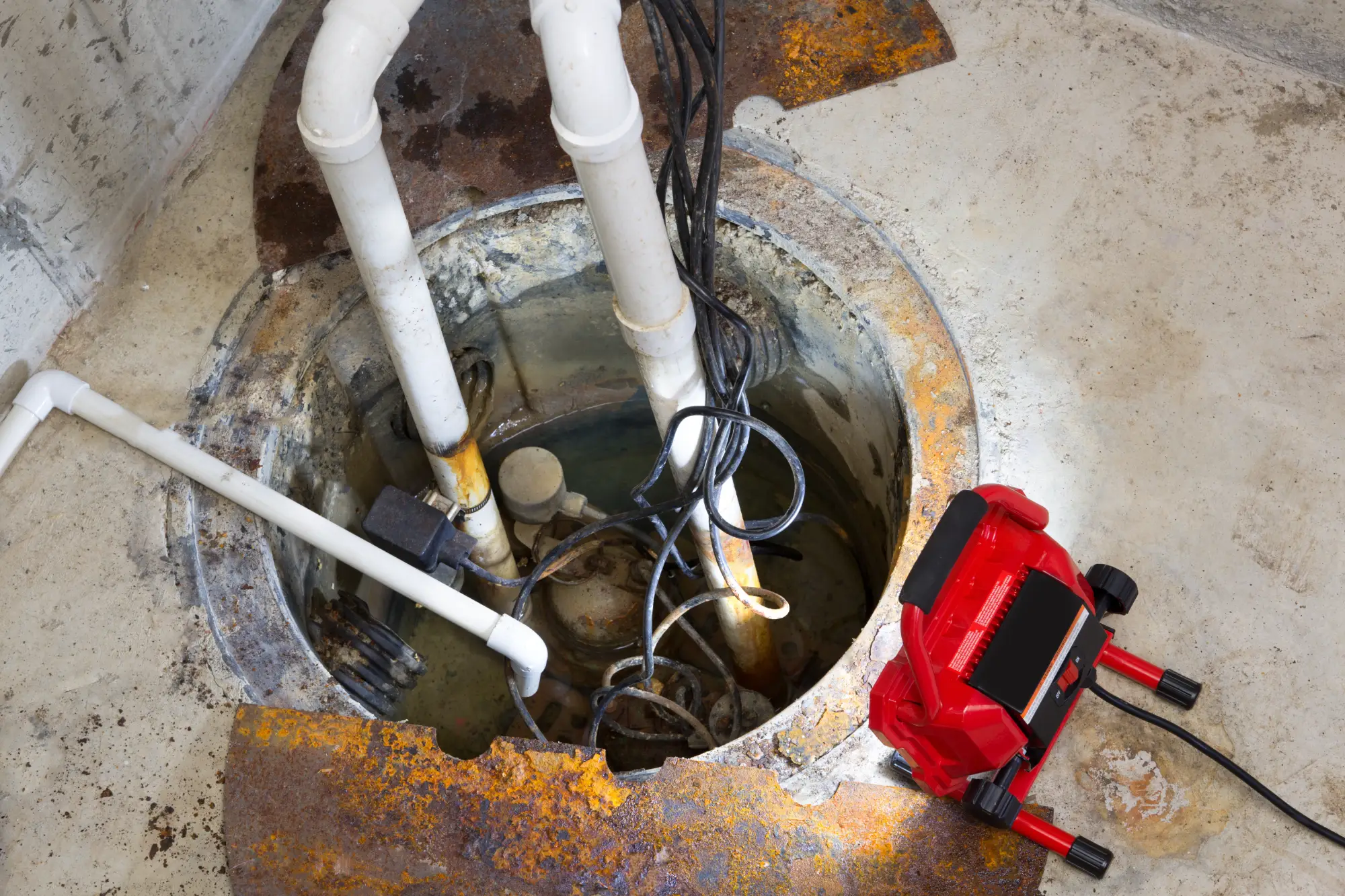
Once we know what you need, we install the sump pit at the lowest point where water naturally collects. The submersible pump goes in, which gives you more power and quieter operation than pedestal pumps. We set up the float switch that triggers the pump when water reaches a certain level, test the discharge line to make sure water flows away from your foundation, and verify everything works before we leave.
Most installations take four to six hours. You get same-day operation and testing. If you’re adding battery backup—which you should if you want protection during power outages—we install that system so it kicks in automatically when utility power drops. You don’t have to do anything. The system handles it.

Ready to get started?
Sump Pump Systems Center Moriches NY
You get a complete system sized for your specific basement. That means the right pump capacity based on how much water you’re dealing with, proper sump pit installation at the correct depth, and discharge piping that moves water far enough from your foundation that it doesn’t just seep back in.
Submersible sump pumps in Center Moriches handle the volume and frequency of water that comes with living on Long Island’s south shore. When storms hit during hurricane season—June through November—your system needs to pump fast and run reliably. We install pumps that do both.
Battery backup systems matter here because power outages happen during the exact storms that flood basements. Your pump runs on battery power when the grid goes down. We also check for proper grading around your foundation, window well drainage issues, and any cracks that let water in. If we find problems, we tell you. Some homeowners need French drains or exterior waterproofing membrane work in addition to the sump pump. We handle all of it, so you’re not coordinating multiple contractors.
Center Moriches sits in a flood-prone area where standard homeowners insurance doesn’t cover water damage from groundwater seepage. Prevention costs less than repairs, mold remediation, and replacing everything in your basement after a flood.

How do I know what size sump pump I need for my basement?
It depends on your basement’s square footage and how fast water enters during heavy rain. Most Center Moriches homes need pumps rated for 2,500 to 4,000 gallons per hour based on local storm patterns and soil conditions.
We measure your basement, check how water flows in, and look at your property’s elevation. A 1,000 square foot basement in a low-lying area needs more capacity than the same size basement on higher ground. If your sump pit fills quickly during storms, you need a more powerful pump.
Undersized pumps run constantly and burn out. Oversized pumps short-cycle and wear out faster. We size it right so it handles your actual water volume without overworking the system. That’s how you get years of reliable operation instead of replacing pumps every couple seasons.
What's the difference between submersible and pedestal sump pumps?
Submersible pumps sit inside the sump pit underwater. Pedestal pumps have the motor mounted above the pit on a stand. Submersible pumps are quieter, more powerful, and handle debris better—which matters when you’re pumping out basement water that’s not always clean.
The motor on a submersible pump is sealed and cooled by the water around it, so it runs cooler and lasts longer. Pedestal pumps are louder because the motor sits in open air, and they typically have less horsepower. If you have a finished basement or you’re dealing with high water volume during Long Island storms, submersible is the better choice.
Most of our Center Moriches installations use submersible pumps because they perform better in the conditions you’re actually facing. They cost slightly more upfront but they’re worth it for the power and reliability you get.
Do I really need a battery backup sump pump system?
If you want protection during power outages, yes. Most basement flooding happens during severe storms that knock out power. Your primary pump stops working right when you need it most.
Center Moriches gets weather-related power issues during the same storms that dump heavy rain. Last August’s flash flooding caused widespread outages while basements were taking on water. Homes with battery backup stayed dry. Homes without it flooded.
A battery backup system automatically takes over when utility power drops. You don’t flip a switch or do anything—it just works. The battery keeps your pump running for hours, which is usually enough to get through the storm. It’s the difference between waking up to a dry basement or standing in six inches of water trying to salvage your belongings.
How long does sump pump installation take?
Most installations are done in four to six hours. That includes digging the sump pit, installing the pump and discharge line, setting up the float switch, and testing everything to make sure it works.
If you’re adding battery backup or we’re also doing foundation crack repairs and French drain work, it takes longer. But for a standard sump pump installation in Center Moriches, you’re looking at same-day completion with immediate system operation.
We don’t leave until we’ve tested the pump through a full cycle and verified the discharge line moves water away from your foundation properly. You get a working system the day we install it, not a half-finished job that needs a callback to complete.
How much does sump pump installation cost in Center Moriches?
Most homeowners invest between $1,000 and $3,500 depending on the pump type, whether you’re adding battery backup, and if there’s additional work needed like foundation repairs or drainage improvements. Submersible pumps with battery backup systems typically run around $3,200 in this area.
That’s less than repairing water damage after one flood. Replacing drywall, flooring, and belongings costs thousands more than preventing the problem in the first place. And if you develop mold from repeated moisture issues, remediation alone can hit $5,000 or more.
We give you an exact price after assessing your basement. No surprises, no upselling. You know what you’re paying and what you’re getting before any work starts. Some homes need just the pump. Others need comprehensive waterproofing. We tell you what’s actually necessary based on what we find, not what makes us the most money.
What maintenance does a sump pump need?
Test it a few times a year by pouring water into the sump pit until the float switch triggers the pump. Make sure it turns on and pumps water out. Check that the discharge line isn’t clogged or frozen in winter. Clean debris out of the pit if anything’s accumulated.
The float switch is the most common failure point. If it gets stuck or the mechanism wears out, your pump won’t turn on when water rises. Testing it regularly means you catch problems before the next storm, not during it.
Battery backup systems need the battery checked annually. Batteries typically last three to five years depending on how often they’re used. We can handle maintenance and float switch replacement if you’d rather have someone else do it, but the basic testing is simple enough that most homeowners handle it themselves. The key is actually doing it, not just assuming everything works until you need it.
Other Services we provide in Center Moriches