
 Interior Waterproofing
 Exterior Waterproofing
 Masonry
 Other services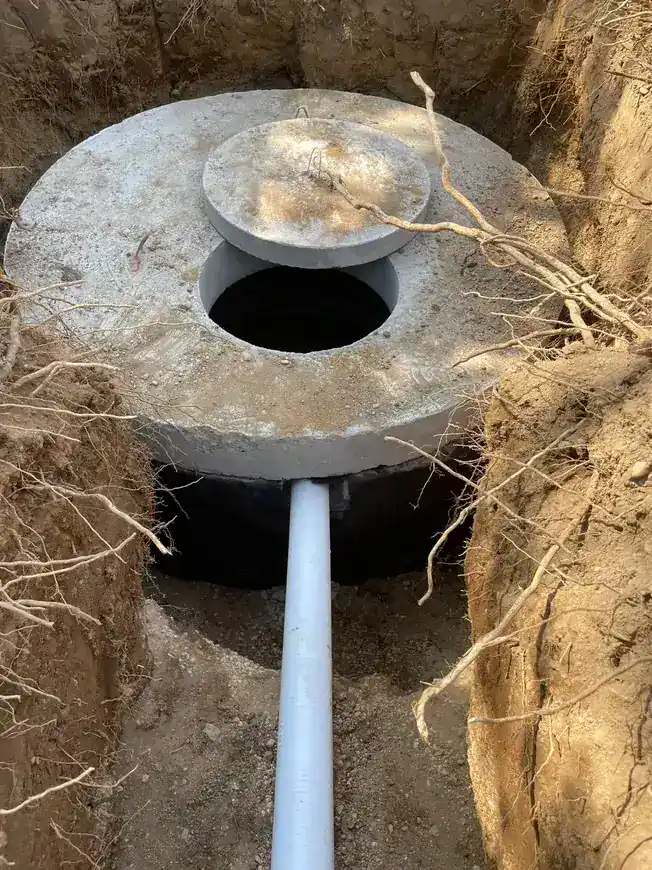
Summary:
Why Spring Yard Drainage Fails on Long Island Properties
Spring hits Long Island properties with a lot more “attitude” than most homeowners realize. You aren’t just dancing through gentle April showers. You’re juggling the leftover snowmelt from a classic LI winter, rain slamming into ground that’s still a frozen popsicle, and soil that hasn’t quite thawed enough to absorb the incoming flood.
When your yard can’t handle that soggy combo, the water just “clumps.” It pools in low spots, turns the dirt around your foundation into a giant mud pie, and creates the perfect recipe for expensive disasters. The drainage system that performed like a champ in July simply wasn’t built for the “March Madness” weather we’re seeing now.
How Frozen Ground and Saturated Soil Create Spring Ponding
Here is the “underground drama” happening beneath your lawn every spring. Winter turns the top soil layers into a suburban popsicle. When the mercury finally climbs and the snow melts, that water realizes the ground is still closed for business. Toss in some April rain, and suddenly you’re staring at a flash flood that has absolutely no intention of soaking in.
Even after the big thaw, spring rains show up faster than the dirt can actually drink them. Long Island averages about 3.8 inches of rain in April—officially the wettest month on the calendar. Your soil hits its “limit” fast, and once it’s full, any extra water just loiters on the surface like it’s waiting for a bus that’s never coming.
This is exactly where your dry well is supposed to be the hero. A working system grabs that excess runoff and gives it a one-way ticket away from your foundation or finished basement. But if your dry well was installed back in the 1960s or 70s, there’s a solid chance it’s officially retired and just hasn’t told you yet.
Vintage dry wells tend to collapse, choke on sediment, or simply lack the “lungs” to handle today’s monsoon-style springs. Some were built with materials that were never destined for the Hall of Fame. Take Orangeburg pipe—popular for decades, but essentially made of tar-soaked cardboard. After 50 years, it softens up and collapses like a soggy paper straw in a fast-food soda.
When that happens, you aren’t just dealing with a “clog.” You’re looking at a system that’s actively “quiet quitting”—and it might even be funneling water toward your foundation. The symptoms hit your yard first: persistent mini-ponds in the usual spots, grass that stays squishy for days, and weird new erosion patterns that definitely weren’t in your original landscaping plans.
What Happens When Old Orangeburg or Block Dry Wells Collapse
If your house was built between the disco era and the 1940s, there is a high probability your drainage system is running on “antique” Orangeburg pipe or crumbly concrete blocks. Both were the “budget-friendly” darlings of the mid-century construction world. Unfortunately, neither one was actually designed to survive long enough to see a smartphone.
Orangeburg pipe basically biodegrades while it’s still on the job. That wood-fiber-and-tar “secret sauce” made it cheap to buy, but it also makes it a total pushover for moisture. Once the walls soften up, tree roots treat the joints like an open invitation. The pipe eventually flattens out like a soggy paper straw, leaving your runoff with absolutely no exit strategy.
Old-school block dry wells have their own mid-life crises. The blocks shift and settle like they’re trying to move to a different zip code, leading to failed joints and cracks. Once sediment starts squatting inside the well, your storage capacity vanishes. What used to be a high-performance drainage system eventually becomes just a glorified hole in the yard that stays perpetually soggy.
You won’t actually see the collapse happening, since it’s buried several feet deep and moves at a glacial pace. But you will definitely feel the side effects. Water starts backing up, and your yard begins hosting “pop-up lakes” in spots that used to be bone-dry. If you’re seeing fresh basement dampness or foundation cracks, don’t blame the house—it’s just the underground plumbing having a breakdown.
Replacing a dead dry well isn’t exactly “optional” maintenance unless you’re planning on building a moat. It’s about stopping a system that has officially started working against your property’s best interests. The longer you procrastinate, the longer that water sits in the wrong places, causing silent damage to things that are incredibly expensive to dig up and fix.
Modern replacement systems have officially graduated from the “cardboard-and-bricks” school of engineering. We use high-density polyethylene or reinforced concrete—materials that are actually built to last, not just get the job done on the cheap. These newer units offer about 250% more storage than the old gravel-filled clunkers, meaning they can actually handle the “tropical” amount of water our Long Island springs love to deliver.
Modern Dry Well Systems: Concrete vs Plastic Options
When you’re finally ready to evict that old dry well, you’re basically choosing between two heavyweight contenders: concrete and plastic. Both are total pros. Both will stop your backyard from auditioning for a water park. However, they’re built differently, installed with different “muscle,” and usually thrive in very different neighborhood scenarios.
Concrete systems are the “tanks” of the drainage world. They’re specifically built for properties that need to swallow massive amounts of runoff—we’re talking 500 to 1,000 gallons of “get-out-of-here” water. Installing them requires some serious heavy machinery because of the weight, but once they’re buried, they aren’t going anywhere. They shrug off soil shifting, ignore traffic pressure from above, and survive for decades without a mid-life crisis.
Plastic systems are the agile, “Lego-style” alternative. They’re lighter, modular, and can be stacked or daisy-chained together to match exactly how much water your lawn likes to hoard. They don’t require a massive crane to drop into place, which is a huge deal if your backyard access is tight or if you’re trying to save that expensive prize-winning hydrangea bush from being crushed.
How High-Capacity Plastic Dry Wells Prevent Spring Flooding
Modern plastic dry well systems are essentially the “smartphones” of the drainage world, solving all the problems the old “rotary” versions couldn’t. They aren’t just holes in the dirt filled with rocks. They are high-tech, prefabricated chambers with Swiss-cheese sides and bottoms designed to maximize water storage without eating up your entire backyard.
A standard high-capacity plastic unit holds roughly 50 gallons of water. That might sound like a small bathtub until you realize it’s 50% more efficient than a traditional gravel well of the same size. Plus, you can daisy-chain or stack these units together like Legos to handle whatever “monsoon” your property decides to host this week.
Design is everything here. Gravel-filled wells are space-wasters; the stones take up room that should be occupied by, you know, water. Plastic chamber systems keep the middle wide open, giving you 250% more usable volume in the same footprint. When the spring thaw hits, that extra breathing room is the difference between a dry lawn and a localized swamp.
Installation is actually a breeze. You aren’t breaking your back hauling tons of gravel or playing “crane operator” with massive concrete rings. These units are modular, lightweight, and actually want to connect with your standard pipes. You can expand the system later, add more “muscle” in stages, or twist the layout to fit your yard’s very specific (and probably weird) drainage patterns.
These systems are built from high-density polyethylene—which is a fancy way of saying they’re indestructible underground. They don’t rot, they don’t care about our “freeze-thaw” winter cycles, and they don’t get “shifty” like old block wells do. You’re looking at a solution designed to outlive most of your appliances without the “maintenance migraines” that come with those vintage materials.
For my Nassau and Suffolk neighbors dealing with high water tables, sandy soil, or “coastal vibes,” plastic systems offer a level of flexibility that concrete just can’t touch. They’re easier to drop into exactly the right spot, less likely to cause an installation “incident,” and they adapt to local soil conditions that would make a concrete truck driver quit on the spot.
When Concrete Dry Wells Make More Sense for Your Property
Concrete dry wells are the “heavy artillery” you call in when your yard needs maximum storage, serious durability under pressure, or a system that handles commercial-sized floods. These beasts are built to outlast us all, specifically engineered for those “high-stakes” scenarios where a plastic tub just wouldn’t have the structural muscle or the room to breathe.
If you’re trying to manage a small ocean falling off a massive roof or a sprawling driveway, concrete has the “stomach” to handle it. A single unit can swallow 500 to 1,000 gallons—which makes plastic alternatives look like coffee mugs. For homes with acres of pavers or complex layouts that dump water in one spot, that extra room isn’t just a luxury; it’s a necessity.
Concrete systems also have a much higher “spine” when it comes to traffic. If your drainage needs to live under a driveway, a parking pad, or anywhere an SUV might roam, concrete provides the backbone to support those tons without flinching. Plastic can handle a light lawnmower if you’re lucky, but concrete is literally born to be driven over without breaking a sweat.
Now, the installation requires some actual adult supervision. You’re dealing with massive precast rings that need heavy machinery to move—so backyard access and site conditions are a big deal. But once this thing is in the dirt, it’s not budging. Concrete doesn’t do “drama”; it won’t shift with the soil or warp under pressure, meaning you won’t have to babysit it.
Of course, the trade-off here is the bill and the logistics. Concrete setups definitely cost more than plastic in both parts and labor. You’re essentially paying for a “forever” solution that will likely outlive every other pipe in your yard. For properties with major runoff nightmares that need a permanent fix—not just a temporary patch—that investment is a total no-brainer.
Long Island’s “moody” soil types can really dictate which material wins the day. Coastal sand behaves totally differently than that stubborn, inland clay. Factors like the water table, spring flooding, and how close you are to your foundation all matter. Concrete is the “steady hand” across all these variables, performing reliably no matter what kind of underground weirdness the soil is trying to pull.
The smartest installs don’t just worry about today; they plan for what your yard will face in the next 50 years. Concrete dry wells are built for that “long-haul” mindset, designed to survive decades of frozen winters, monsoon-level rains, and those “once-in-a-century” storms that seem to happen every other Tuesday on Long Island these days.
Spring Maintenance That Actually Protects Your Property
Dealing with a backyard “lake” every spring isn’t exactly a mandatory part of Long Island homeownership. Modern dry well tech has finally caught up to our needs, offering massive capacity and space-age materials specifically designed for our “special” local drainage drama. Adding a quick dry well checkup to your spring to-do list is the best way to dodge those four-figure repair bills that usually follow a basement flood.
Whether you’re currently haunted by a collapsed Orangeburg pipe, crumbly old block wells, or a yard that’s just never played nice with rain, the fix starts with a little “underground therapy.” Once we figure out the drama happening beneath the grass, it’s just a matter of picking your fighter—concrete or plastic, single tank or modular Lego-style—to match your property’s specific thirst.
We’ve been the “Drainage Doctors” across Nassau and Suffolk for over 25 years, evicting failing pipes and replacing them with modern systems that actually, you know, drain. If your yard turns into a neighborhood pond every time the clouds look gray, it’s worth a quick call to find out why—and more importantly, how to fix it so you can finally put the galoshes away for good.