Summary:
Wrong Sump Pump Size and Location Selection
Selecting the wrong size or type of pump is one of the most common mistakes during sump pump installation . A pump that is too small may not handle the volume of water, leading to frequent overflows, while a pump that is too large can cause unnecessary energy consumption and wear.
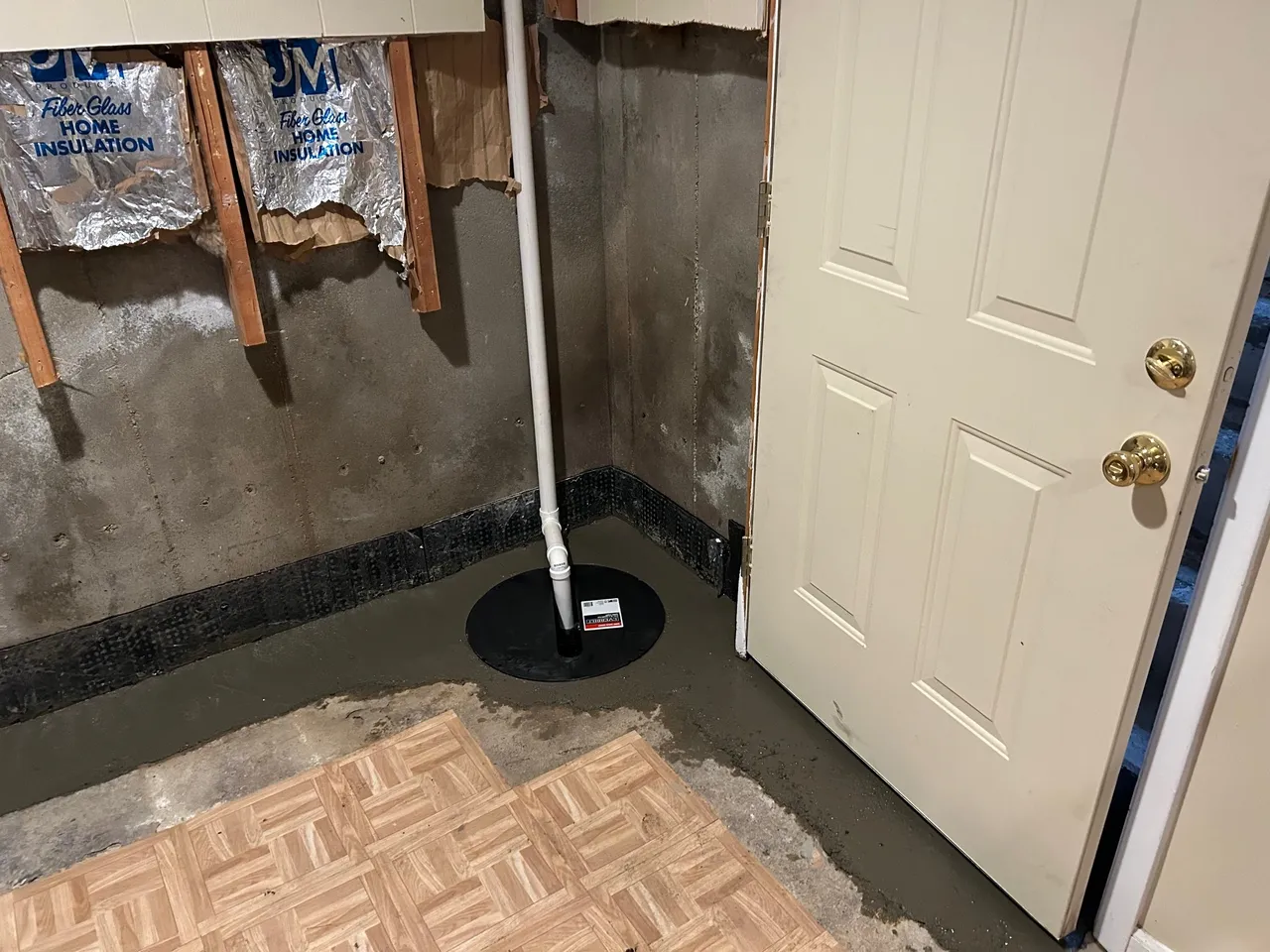
Location matters just as much as size. You should always install your sump pump at the lowest point of the floor—this is a basic scientific principle: water doesn’t flow up. Yet many installers place pumps wherever it’s convenient, not where water naturally collects.
The sump pit should be installed at the lowest point of your basement or crawl space—where water naturally collects. Proper site selection ensures maximum water collection and drainage efficiency, and in Long Island homes, this often means placing the pit near foundation walls or known trouble spots.
How Nassau and Suffolk County Soil Affects Pump Sizing
Long Island’s waterproofing challenges vary dramatically from town to town, where soil composition, water table depth, and drainage patterns change completely between neighborhoods—sandy soil near Long Beach behaves nothing like the clay found in Syosset.
This variation directly impacts your sump pump sizing requirements. Sandy soils in coastal areas like Freeport drain quickly but can experience sudden surges during storm tides. Clay soils in areas like Syosset hold water longer, creating sustained pressure that requires different pump capacities.
Size mismatches are responsible for issues such as inadequate water removal, excessive energy consumption, and unnecessary wear and tear. Choosing the wrong size pump leads to either inadequate water removal or excessive cycling that wears out the pump prematurely.
Most Long Island homes need pumps that can handle 2,500 to 4,000 gallons per hour, but coastal properties or homes with known drainage issues may require higher capacity systems. The key is having a professional assess your specific conditions rather than guessing based on square footage alone.
Professional installers use laser levels to identify the true lowest point in your basement and factor in your property’s drainage patterns, soil type, and local flood history. This isn’t something you can determine from a YouTube video.
Primary vs. Battery Backup System Requirements
One of the most common pitfalls during sump pump installation is failing to install a backup sump pump. While a sump pump can be a lifesaver during periods of heavy rain or snowmelt, it’s important to remember that they are not failsafe.
Many homeowners skip the battery backup thinking it’s an unnecessary expense, but it’s worth every penny when you lose power during a rainstorm. The primary cause of power outages during storms is often weather-related—and the last time you want to lose power is during heavy rain.
Long Island faces similar challenges. Located in the Atlantic hurricane belt, Long Island often experiences heavy rains, especially during hurricane season extending from June through November. These are precisely the conditions when power outages occur most frequently.
Having a professional install the right-sized pump and a backup pump powered by batteries is the best way to protect your home before the next storm brings down power lines. Battery-powered backups are designed to keep sump pumps working during a power outage, and expert technicians can help you find a sump pump that runs on battery power for several hours.
You will need to have two electrical outlets for your sump pump system: one for the primary pump and one for the battery charger. This electrical requirement is often overlooked during DIY installations, leading to unsafe extension cord use or inadequate power supply.
Improper Discharge Line Installation and Drainage
The discharge pipe is responsible for carrying water away from the sump pump and out of the home. One common error is failing to install the discharge pipe with a proper slope, which can lead to water backing up and causing the pump to work harder.
Connecting the discharge pipe to the wrong drainage spot is one of the most common mistakes made when installing a sump pump. The discharge pipe should always be connected to a storm sewer, dry well, or other approved drainage system.
Even more critical on Long Island is understanding local regulations and proper drainage distances from your foundation.
Long Island Drainage Regulations and Best Practices
Nassau and Suffolk Counties have specific requirements for sump pump discharge that many DIY installers ignore. There are several regulations guiding sump pump installation that vary from one municipality to another. These codes determine the required size and type of pump you can install, the location of your discharge line, and other essential aspects of your installation process. If you don’t comply with building codes, you may have to pay costly fines or modifications after installation.
The discharge line removes groundwater from your house and transfers it to a dry well or municipal storm drain. The exterior drainage line leading to the dry well should extend well beyond your foundation to not add water to the water table near your home.
Because winters are unpredictable, it’s essential to protect your discharge line from freezing. There will be times throughout winter when snow will melt, water will seep into your basement and need to be evacuated by the sump pump. If your drainage line is frozen, it disrupts the entire process.
Many Long Island homeowners make the mistake of directing discharge water too close to their foundation or into areas where it can reenter their basement. The water needs to flow at least 10-20 feet away from your foundation, depending on your soil type and local topology.
Freeze guards are not recommended as they dump water directly next to your foundation, where it will be free to once again seep into your basement. This creates an endless cycle that can eventually lead to the pump burning out, water creating foundation damage, or both.
Float Switch and Check Valve Installation Errors
Common installation mistakes include mispositioned or stuck float switches that fail to shut off the pump, causing dry running, and a missing or faulty check valve, leading to water hammer or backflow, which can damage the impeller and shaft.
The float switch is your sump pump’s brain—it tells the pump when to turn on and off based on water levels. The float switch is the most common part that fails on a sump pump, and many manufacturers recommend replacing the float every two years. Yet during installation, many people don’t properly test the float’s range of motion or ensure it has adequate clearance.
If the float switch becomes damaged, the pump may not turn on, it may not turn off, or it might not activate when you need it to work. Your sump pump might burn out if the float switch is faulty—if the switch gets stuck in the on position, the pump might run when it doesn’t need to. Additionally, if your pump is not powerful enough, it might be continually running because it cannot keep up with the amount of water it needs to remove.
Check valves prevent water from flowing back into your sump pit after the pump shuts off. Without a properly installed check valve, your pump works twice as hard and can experience water hammer that damages internal components. You need to pay close attention to details, such as the required pipe sizes, electrical connections, and placement of components like your check valve.
The installation process requires understanding how these components work together. Many DIY installations fail because homeowners focus on getting the pump in the ground without properly configuring the control systems that make it function reliably.
Why Professional Installation Protects Your Long Island Home
Proper sump pump installation is crucial to prevent basement flooding and maintain a dry home. Common mistakes during installation can lead to system failure and costly repairs. Hiring a professional plumber ensures the sump pump is correctly installed and functions efficiently, and avoiding DIY methods can save time, money, and prevent potential disasters.
Installing a sump pump in your Long Island home involves several key steps, all of which must be done correctly to ensure the system functions reliably—especially during storms or flooding events. While some homeowners search for DIY sump pump installation, the safest and most effective option is to work with a licensed professional who understands the unique soil and water conditions across Nassau and Suffolk Counties.
When you choose us at Diamond Masonry & Waterproofing LLC, you’re getting more than just installation—you’re getting 25 years of local expertise, quality materials, and the peace of mind that comes with doing the job right the first time. Don’t let a sump pump installation mistake turn your next storm into a costly disaster.