
 Interior Waterproofing
 Exterior Waterproofing
 Masonry
 Other services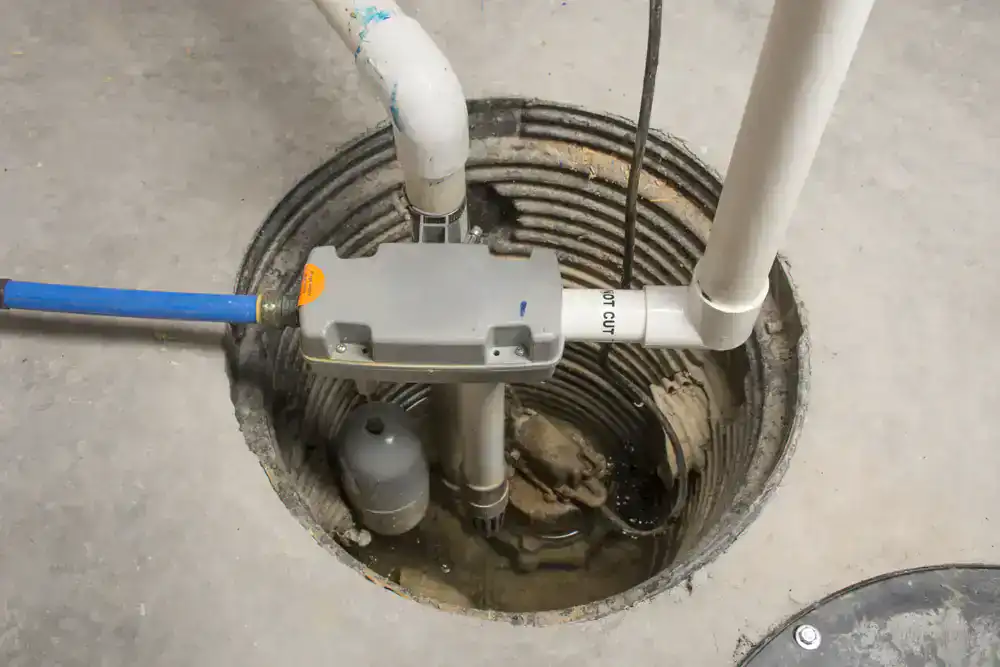
Summary:
Why Your Primary Sump Pump Fails When You Need It Most
Here is the “double-whammy” problem with trusting just one sump pump: Mother Nature loves a good tag-team match. The worst storms bring two threats simultaneously: heavy rain to drown your drainage system, and high winds to turn off the lights across Long Island.
Your primary pump is a total “electrical snob.” No power means zero protection, even if that pump is brand new and has that “just-out-of-the-box” smell. During a nasty Nor’easter, power outages and flooding are like a bad celebrity couple—they always show up together, leaving your basement feeling very exposed.
This isn’t just “scary campfire story” territory. Long Island treats power disruptions like a competitive sport during storm season, with thousands of homes going dark exactly when the flooding risk is peaking. That isn’t a coincidence; it’s Murphy’s Law. That is precisely when you need a backup plan that actually works.
How battery backup sump pumps work during power outages
A battery backup sump pump is the ultimate “Plan B”—a secondary sidekick that runs on pure battery juice when your primary pump decides to take an unscheduled nap. It hangs out in the very same sump basin, usually perched just an inch or two higher than your main pump, waiting for its big moment to shine.
When life is good, your primary pump does all the heavy lifting while the backup plays it cool on standby, fully charged and caffeinated. But the second the grid goes dark or your main pump has a mechanical mid-life crisis, the backup senses the rising tide and kicks into gear automatically. No frantic basement sprints required from you.
The battery brings the muscle. The pump evicts the water. Your basement stays a basement (and not a local aquarium).
Most high-end systems can toss thousands of gallons over the shoulder on a single charge—plenty to outlast those “fun” multi-hour outages we all know and love. For neighbors in high-risk zones, we even install dual-battery setups for that extra marathon-level runtime during those nasty, multi-day Long Island blowouts.
This setup plays nice with your current sump pit and discharge line, so we aren’t exactly “remodeling” your entire drainage infrastructure. We can usually wrap up the whole operation in just a few hours, giving you a silent bodyguard that’s ready to defend your floorboards for years to come.
This upgrade is pure gold for Long Island because it respects our local “weather personality.” Our coastal tantrums and Nor’easters don’t just bring the rain—they love to knock out the local transformers for sport. Your backup pump is the bridge that carries you safely from the moment the TV goes black until the utility crews finally save the day.
What happens to your basement when power fails without backup protection
Let’s take a stressful little stroll through a “worst-case Wednesday” when you don’t have a battery backup system standing guard.
The storm gets real. Rain starts bullying your yard’s drainage. The local water table decides it wants to move in. Your sump pit begins filling up—exactly like its job description says. Your primary pump kicks on and starts evicting that water. Everything is going according to plan.
Then the grid decides it’s had enough and the power goes out.
Your pump stops mid-breath. The water that was being kicked out just… stops. But the water rushing into your sump pit didn’t get the memo. It keeps coming. The pit hits max capacity in minutes during a Long Island downpour. Once it’s topped off, that water has nowhere to go but onto your floor.
Now you’re hosting an unwanted indoor pool. It spreads across the floor, aggressively soaking into your carpet, drywall, and those “keep forever” boxes. Believe it or not, just one inch of water can cause a $20,000 headache. The longer PSEG takes to fix the lines, the worse your basement feels.
Here is the “fine print” kicker: standard homeowners insurance usually won’t cover this disaster. Sump pump strikes and power outage dramas typically aren’t invited to the basic policy party. You’d need specific riders or separate flood insurance—and even then, they tend to be pretty stingy about basement coverage.
The bill goes way beyond just drying the floor. You’re looking at mold “men in hazmat suits,” replacing your ruined stuff, and potential structural drama if the water lingers too long. Plus, you get the “joy” of having contractors as semi-permanent roommates for the next few weeks.
Now, compare that horror movie to having a battery backup installed. Same storm. Same outage. Completely different ending. Your backup system wakes up automatically, keeps pumping while the neighborhood stays dark, and you wake up to a dry basement. That’s the difference between a “good morning” and a “shop-vac morning.”
Why Spring Tax Refunds Make This the Perfect Time to Upgrade
Tax refund season lands exactly when Long Island homeowners should be side-eying their storm prep. Spring brings that lovely “cocktail” of heavy rain, slushy snowmelt, and the official kickoff of severe weather season—basically a perfect storm of conditions designed to see if your basement waterproofing system has what it takes to survive.
Most of us get those “Uncle Sam” checks between late February and early May. That timing is actually perfect, putting some extra cash in your pocket right before the summer storm season starts throwing its weight around. Installing a battery backup now means you’re shielded before the disaster strikes, rather than frantically Googling “emergency shop-vac” after the first big Nor’easter exposes your basement’s weak spots.
A high-quality battery backup system usually runs between $600 and $2,000 fully installed, depending on how much “muscle” and features you’re looking for. For most Long Islanders, that’s just a small slice of their tax refund—and it’s significantly cheaper than paying a restoration crew thousands of dollars to dry out even a “minor” indoor swimming pool in your basement.

Battery backup sump pump cost vs basement flood damage cost
Let’s talk brass tacks and bank accounts, because the financial logic behind this upgrade is actually pretty refreshing.
A top-tier battery backup system professionally installed in Nassau or Suffolk usually lands between $600 and $2,000. That “all-in” price covers the pump unit, the battery “brain,” expert labor, and the handshake with your current system. The fancy setups with marathon-level battery life or “talk-to-your-phone” monitoring features naturally sit at the high end of that neighborhood.
Now, let’s compare that to the “indoor lake” scenario. The average insurance check for water damage is roughly $14,000—and that’s if they’re feeling generous. A truly flooded basement can easily sprint past $25,000 to fix properly, especially if you’ve got a finished man-cave, soaked HVAC units, or a mushroom farm starting in the corner.
Even “diet” flooding—we’re talking just an inch or two—usually costs several thousand dollars to clean up. You’re footing the bill for heavy-duty water vacuuming, loud drying fans, replacing soggy drywall, and fixing floorboards. Not to mention the heartbreak of tossing out your high school trophies or that “vintage” sofa you’ve been meaning to replace anyway.
And here’s the kicker: many homeowners insurance policies treat sump pump strikes or power outages like they’re none of their business. Unless you have a very specific rider, you might find yourself paying for that entire subterranean swim party completely out of your own pocket.
The math is pretty “no-brainer” here. You can drop $1,200 now on a backup bodyguard, or gamble $20,000 later on a flood that insurance might just ghost you on. One choice locks down your investment; the other leaves your house playing Russian Roulette every time a Nor’easter decides to visit the Island.
Don’t forget the “bonus points” for your home value. By using your tax refund for this upgrade, you’re actually investing in your home’s resume. Future buyers see a battery backup and think, “Wow, someone actually cared for this place.” it proves the home has been protected against the classic Long Island risk of having a basement that thinks it’s a boat.
What to look for in a battery backup sump pump system for Long Island homes
Not all battery backup systems are created equal—some are heavy lifters, and some are just expensive paperweights. Here is what actually matters when you’re auditioning a system to handle the unique, soggy “mood swings” of Nassau or Suffolk County.
Pumping capacity is the headliner here. Your backup should ideally match or out-muscle your primary pump’s daily output. If your main pump bails out 50 gallons per minute, hiring a backup that only manages 35 is like bringing a squirt gun to a house fire. During those “end-of-days” Nor’easters—exactly when this thing needs to shine—you need varsity-level performance, not a junior high effort.
Battery type and “juice” dictate how long your basement stays a basement during a blackout. Standard marine batteries are okay in a pinch, but deep-cycle batteries built for backup pumps are the real marathon runners. AGM batteries are great for the “set-it-and-forget-it” crowd, while Lithium-ion options are the pricey Ferraris of the group—costing more upfront but living a lot longer.
Runtime is huge because Long Island power outages aren’t exactly known for their punctuality. A high-quality battery should give you 5 to 7 hours of non-stop “get-out-of-here” pumping, or a few days if it’s just cycling occasionally. For my neighbors in those extra-soggy flood zones, we often install dual-battery setups for that “I-can-sleep-through-the-storm” level of protection.
Alarm systems are the “hey, look at me” feature you actually want. They scream (metaphorically) when the backup takes over, which is great Intel—it means the power is out but your backup is officially on the clock. This lets you play supervisor, monitoring the situation and checking battery vitals if the utility crew is taking their sweet time.
Professional installation ensures the plumbing and the electricity actually have a functional relationship. Unless you’re a wizard with a pipe wrench and a multimeter, this isn’t a “Saturday afternoon DIY” project. A botched install usually reveals itself at the exact moment the sky opens up, which completely defeats the point of buying a safety net in the first place.
Hunt for contractors who actually speak “Long Island Basement.” Local quirks matter—the soil, the water table, and the weird flooding habits in Nassau are totally different from Suffolk’s coastal shenanigans. We’ve been the local “water-eviction” experts for over 25 years, so we understand these variables perfectly and can suggest the exact system that fits your home’s specific “wetness profile.”
Protecting your Long Island home before the next storm hits
Your primary sump pump is a total rockstar—right up until the power cuts out during the exact “Noah’s Ark” storm currently trying to move into your basement. That isn’t necessarily a flaw in the pump itself; it’s just a massive “oops” in your overall protection strategy. It’s like having a top-tier security system that only works when the front door is already unlocked.
A battery backup sump pump is the “safety net” that actually catches you. It wakes up automatically the second your primary pump loses its juice, keeping your basement a “no-swim zone” during a blackout. Best of all, it costs a tiny fraction of what you’d shell out to a restoration crew after your basement decides to audition for a water park.
Spring is the prime time for Long Islanders to stop procrastinating on this upgrade. Tax refunds provide the “guilt-free” fun money, and getting it installed now means you’re shielded before the summer storm season starts its yearly tantrum. At Diamond Masonry & Waterproofing, we’ve been the “Basement Bodyguards” for Nassau and Suffolk for over 25 years with rock-solid installs and warranties that actually mean something. We know exactly what kind of geological drama our local homes face, and we’re here to help you lock down your investment before the next sky-opening Nor’easter rolls through.