Summary:
What Is Hydrostatic Pressure in Long Island Basements
Hydrostatic pressure is basically the pushy attitude water develops when it’s just “hanging out” in your yard. Imagine your basement is a cardboard box sitting in a giant, soggy sponge. Gravity is constantly shoving that water down and out, creating a relentless “group hug” against every single square inch of your foundation it can reach.
For us on Long Island, this pressure is a direct gift from the massive liquid storage unit beneath our sneakers. Nassau and Suffolk actually “float” on three major underground aquifers that are constantly moving millions of gallons. The top layer—the Upper Glacial aquifer—is essentially the VIP lounge for the water table, sitting uncomfortably close to your floorboards.
When your yard gets soggy, that water weighs in at a hefty 60 pounds per cubic foot. A fully saturated perimeter can literally have thousands of pounds of “polite” pressure bullying your basement walls. Your concrete foundation looks like a solid tank, but it’s actually porous enough for high-pressure water to treat it like a very slow, very annoying coffee filter.
How Long Island's Aquifer System Creates Constant Groundwater Pressure
Long Island’s geology is a bit of a “special snowflake” compared to the mainland. Our home is essentially a giant, glacial-sized sponge made of sand, gravel, and clay left behind by an ice age that forgot to clean up. Tucked beneath all that is a “sole-source” aquifer system that serves as the literal water cooler for nearly 3 million thirsty neighbors in Nassau and Suffolk.
These three major aquifers are stacked on top of each other like a giant, soggy club sandwich. The Upper Glacial aquifer is the top slice, sitting uncomfortably close to your basement. Below that is the Magothy, the heavyweight champion of the three. Finally, at the very bottom of the stack, you’ll find the Lloyd aquifer resting right on the bedrock.
These aquifers have a bit of a “downhill” attitude, sloping toward the South Shore like they’re headed to Jones Beach. The deepest sections actually stretch out under the Atlantic Ocean floor. This means our groundwater is constantly on the move, naturally bunching up and accumulating based on the Island’s specific shape and its very damp geological personality.
Rain and snowmelt enter the system by soaking through our very “holy” (porous) soil. Since Long Island has surprisingly few streams and some pretty “immature” drainage, a huge amount of that water goes straight into the ground. The water table—the VIP roof of the saturated zone—constantly bobs up and down depending on the season and whatever mood the weather is in.
Across much of Long Island, the groundwater is practically knocking on your door, sitting just a few feet below the grass. After a Nor’easter or a spring thaw, that water table rises and starts “poking” your basement floors and walls. You don’t even need a visible crack to have a problem; water can ninja its way through joints and microscopic concrete pores you’d never notice.
These aquifers can fill up faster than a diner on a Sunday morning, leading to the kind of groundwater flooding that local neighborhoods dread. This isn’t just rain running down your driveway; it’s a full-court press from below and from the sides. It’s the weight of the entire saturated neighborhood literally trying to lean its way into your unfinished basement.
Layers of clay between the aquifers might slow things down, but they also create some serious “confining pressure.” When water realizes it can’t go any deeper, it decides to move sideways, hunting for the path of least resistance like a commuter looking for a shortcut. Unfortunately, all too often, that “shortcut” leads straight through your foundation and onto your laundry room floor.
Why Basements Flood Without Rain on Long Island
You can enjoy a perfectly sunny, drought-level week and still find a puddle hosting a party in your basement. That’s because the water currently ruining your day actually fell days, weeks, or even months ago. It’s been loitering in the soil like a teenager at a mall, slowly building up enough peer pressure to break into your house.
Long Island’s high water table means the groundwater is basically your foundation’s over-attached neighbor. Seasonal shifts dictate just how much that neighbor “pressures” you. Spring delivers snowmelt that turns your yard into a sponge, while summer and fall storms keep the aquifer’s tank topped off. Even when the sun is out, that groundwater is still lurking in the dirt, waiting for its moment.
Dirt isn’t just dirt; composition is everything. The sandy soil near our coasts lets water sprint sideways toward your foundation like it’s racing for the last spot at Robert Moses. Meanwhile, random clay pockets act like stubborn Tupperware, trapping moisture right against your walls. Most Long Island blocks have a chaotic mix of both, making groundwater movement as unpredictable as the morning commute.
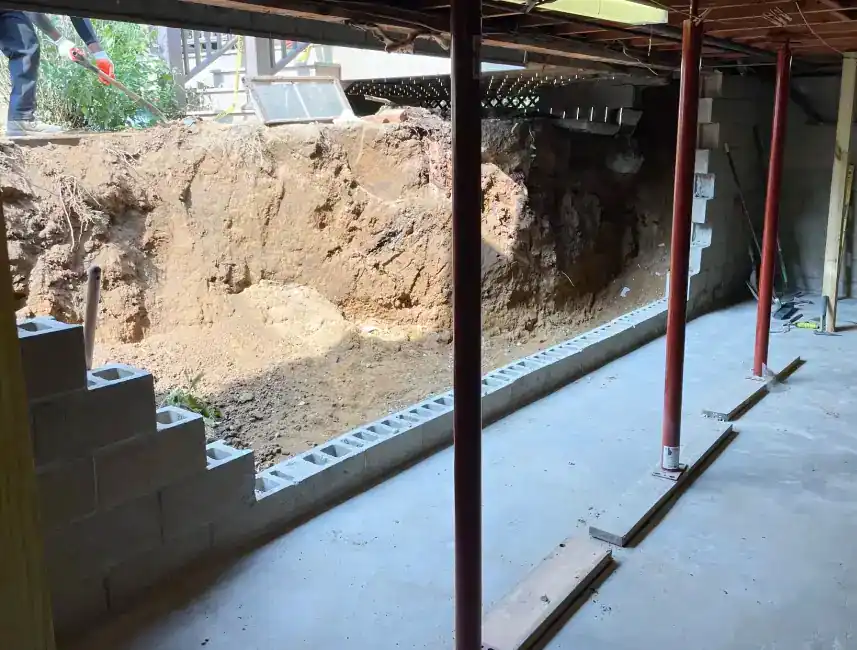
Your home’s origin story also plays a role. When it was built, the crew dug a massive hole and then “backfilled” around the walls with loose, shoveled soil. This disturbed dirt is way more porous than the solid ground around it. It essentially creates a “clay bowl” effect, turning the perimeter of your house into a giant, unintentional bathtub that’s always ready to soak.
During the rainy season, this loose soil holds onto water like it’s a precious commodity. As that hydrostatic pressure starts “flexing,” the water hunts for the path of least resistance. Usually, that’s the “cove joint”—the spot where your basement floor says hello to the foundation wall. It’s a notoriously difficult joint to seal, and water knows exactly how to exploit that introduction.
Vintage homes have their own set of “character flaws.” Drainage systems put in 40 years ago are likely clogged with silt, cracked from decades of winter, or have simply entered retirement. Your old sump pump might also be way too small for today’s tropical-level downpours. Plus, tiny foundation cracks that were invisible back in the day now act like open invitations when the pressure rises.
This pressure doesn’t believe in vacations or weekends off. Even on a gorgeous day, that groundwater is still leaning against your foundation with a relentless “let me in” attitude. It’s a patient force, constantly scouting for any microscopic weakness. Once water successfully finds a route into your basement, it treats that path like a VIP entrance and will use it again and again.
This is why you get those “déjà vu” puddles in the exact same spot every time, or damp patches that refuse to quit. It explains those annoying stains near the floor-wall joint or the seepage around your windows. The real culprit isn’t the drizzle happening outside today. It’s the groundwater that’s been squatting there all along, just waiting for enough pressure to make its grand entrance.
Signs of Hydrostatic Pressure Problems in Nassau and Suffolk County Homes
Hydrostatic pressure has a way of introducing itself through patterns that many homeowners mistake for “just a basement thing.” You might spot some dampness playing hide-and-seek, or water that shows up hours after the clouds have cleared. Trust us, these aren’t just “random glitches” in your foundation—they’re your house’s way of sending a very damp SOS.
Standing water loves to hang out as “déjà vu” puddles or those stubborn damp spots that refuse to leave your floor. These pools pick the same VIP locations because they’re either the lowest grade or the “path of least resistance” for outside pressure. You might even find a surprise indoor pond days after a storm, right when the local groundwater levels have officially peaked.
Water stains usually manifest as those lovely discolored patches on your walls or floors. If they’re brown, your groundwater is essentially “iron-rich,” while white chalky fluff—scientifically called efflorescence—is just mineral residue. It’s basically the “salt trail” left behind after water has successfully hiked through your concrete or masonry, proving it’s been making itself quite at home.
How to Tell If Your Basement Flooding Is From Groundwater Pressure
Think of the water patterns in your basement as a map leading straight to the culprit. If moisture is bubbling up through floor cracks, it’s a clear sign of pressure from the “basement below the basement”—saturated soil pushing upward against your slab. In Nassau County, many floor leaks start exactly like this, with groundwater essentially “bench-pressing” its way through your porous concrete the moment the pressure peaks.
Seepage along the walls is usually a sign of “lateral pressure,” or soggy soil trying to give your house an aggressive sideways hug. If you spot water at the “cove joint”—that seam where the floor and wall meet—you’ve found the classic calling card of hydrostatic pressure. This joint is the ultimate VIP entrance for leaks because it’s notoriously difficult to seal, and water is an expert at exploiting your foundation’s natural “achilles heel.”
If you’re seeing moisture popping up in multiple spots at once, you’re not just dealing with a “lonely leak”—you’ve got a full-blown pressure problem. When water decides to stage a multi-point invasion during the same afternoon, it’s a signal that the issue is system-wide. It’s not just one rebellious crack; it’s the entire neighborhood’s water table trying to move into your guest room.
In the basement world, timing is everything. If water crashes the party during a perfectly dry week—or days after the clouds have cleared—you’re looking at groundwater pressure punching the clock. While surface water is a “fast-fashion” problem that shows up during the storm, groundwater is more of a slow burn; it takes its sweet time to saturate the soil and build up the “muscle” needed to push through your foundation.
Your nose is actually a pretty decent diagnostic tool. A musty, “damp forest” odor usually points to a long-term groundwater residency, not just a one-off visit from a heavy rainstorm. If you’re spotting mold setting up shop in the corners or along the baseboards, it’s a tell-tale sign of persistent dampness—the kind of “forever humidity” that a simple afternoon shower wouldn’t be able to create on its own.
If your concrete feels “sweaty” or damp to the touch even without a puddle in sight, it shows that moisture is literally hiking through your walls under pressure. You’ll usually notice this “clammy” sensation in specific hotspots where the local water table is sitting particularly high or where the soil outside is doing its best impression of a swamp. It’s basically your foundation acting like a very slow, very wet sponge.
Do a “basement wellness check” after a long stretch of dry weather. If you’re still seeing damp spots or fresh stains, you’ve officially confirmed a groundwater pressure issue. Surface water is a “fair-weather” enemy that needs active rain to attack, but groundwater pressure is a relentless, 24/7 force. It cares way more about the height of the local water table than it does about whatever the guy on the news says the weather is.
What Hydrostatic Pressure Does to Long Island Foundations Over Time
Hydrostatic pressure isn’t just a one-hit wonder that causes a sudden puddle. It’s more like a persistent, unwanted roommate that slowly wrecks the place while you aren’t looking. This constant force treats your foundation like a stress ball, creating a “snowball effect” of structural headaches that only get more expensive as they age.
Those “cute” little hairline cracks in your floor aren’t staying small for the aesthetic. Every time the groundwater rises, it’s like your house is doing a heavy bench press. When the water recedes, the pressure let’s go. This endless “concrete cardio” stresses the walls, stretching old cracks out and inviting brand-new ones to join the party.
Your foundation walls might start “curving” inward if the outside pressure gets too aggressive. If you notice a horizontal crack running across the wall like a waistband, your house is essentially losing a wrestling match with the dirt. It’s a clear sign the saturated soil outside is pushing with enough “muscle” to actually bend solid concrete.
Concrete looks tough, but it’s actually a giant, hard sponge that lets water vapor sneak through even without a visible “doorway.” Over time, this humidity eats away at the concrete’s soul, making it prone to crumbling like a stale cookie. Plus, the minerals in our groundwater love to chemically argue with your foundation, speeding up the aging process.
Your floor slabs might try to “heave” upward if the pressure below gets too intense. More often, though, you’ll notice your floor sinking in spots where water has secretly washed away the dirt underneath. It turns your basement floor into a mini-golf course of uneven slopes and fresh cracks that definitely weren’t there last Thanksgiving.
The carnage isn’t just a “concrete thing.” Water seepage is basically a VIP invitation for mold to start a franchise in your basement. All spores need are a little drink and something organic to eat—and your basement is a 5-star buffet. Once mold gets a foothold, it’ll happily munch through your drywall, studs, and those boxes of high school yearbooks.
Wood and damp concrete are a “toxic couple” that quickly leads to rot. Your floor joists, sill plates, and framing start to lose their backbone when they’re constantly living in a sauna. This isn’t just a basement bummer; it threatens the structural integrity of your entire home, affecting the very bones that keep your roof over your head.
Metal parts don’t do well in “aquatic” environments, either. The rebar hidden inside your walls, your steel support columns, and even your HVAC system start a fast-track relationship with rust. When hydrostatic pressure brings the dampness in, your metal components begin to flake and fail long before their scheduled retirement date.
The longer you “ghost” these pressure issues, the more zeros show up on the repair bill. That tiny crack you ignored yesterday is today’s structural nightmare. What could have been a simple drainage fix is now a full-blown mold hazmat situation. Walls that just needed a little hug (stabilization) might eventually need a total, wallet-draining replacement.
Your property value is the ultimate victim here. Home inspectors have a “sixth sense” for water damage, and even if you mop up the evidence, the stains and that “vintage basement” smell tell the whole story. Thanks to disclosure laws, you’ll have to fess up about the water drama, which usually leads to buyers running for the hills.
Protecting Your Long Island Home from Hydrostatic Pressure and Groundwater Flooding
Understanding hydrostatic pressure is the first step; the second is actually outsmarting it with solutions that respect Long Island’s “unique” aquatic personality. Just slapping some sealant on a crack might seem like a plan, but if the pressure was strong enough to break your wall once, it’ll happily do it again or just find a new exit. You need to manage the water’s “travel itinerary” before it reaches your foundation, rather than just playing goalie after it’s already inside.
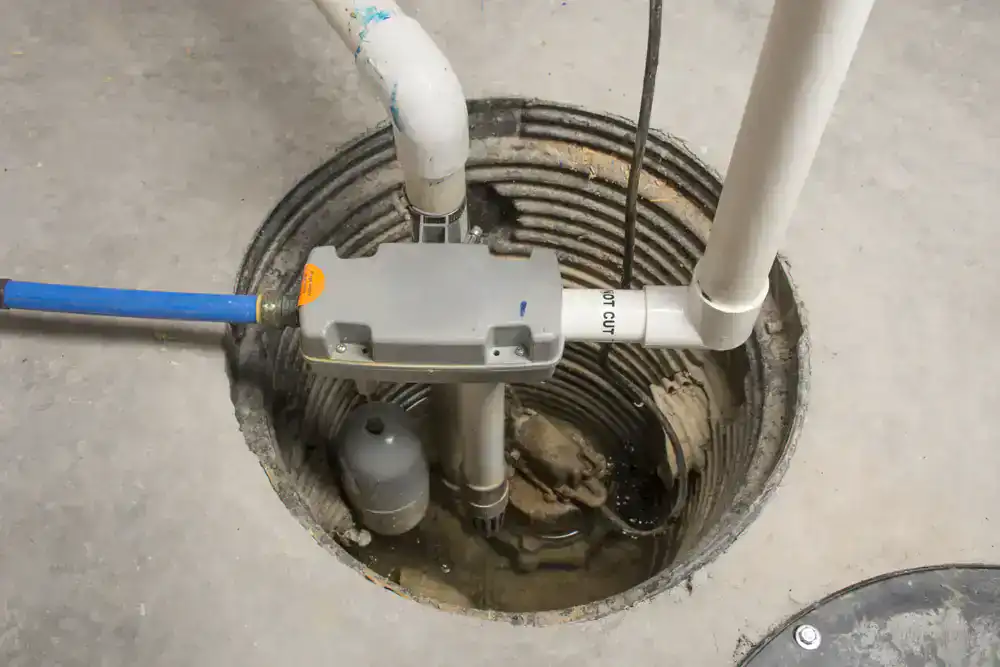
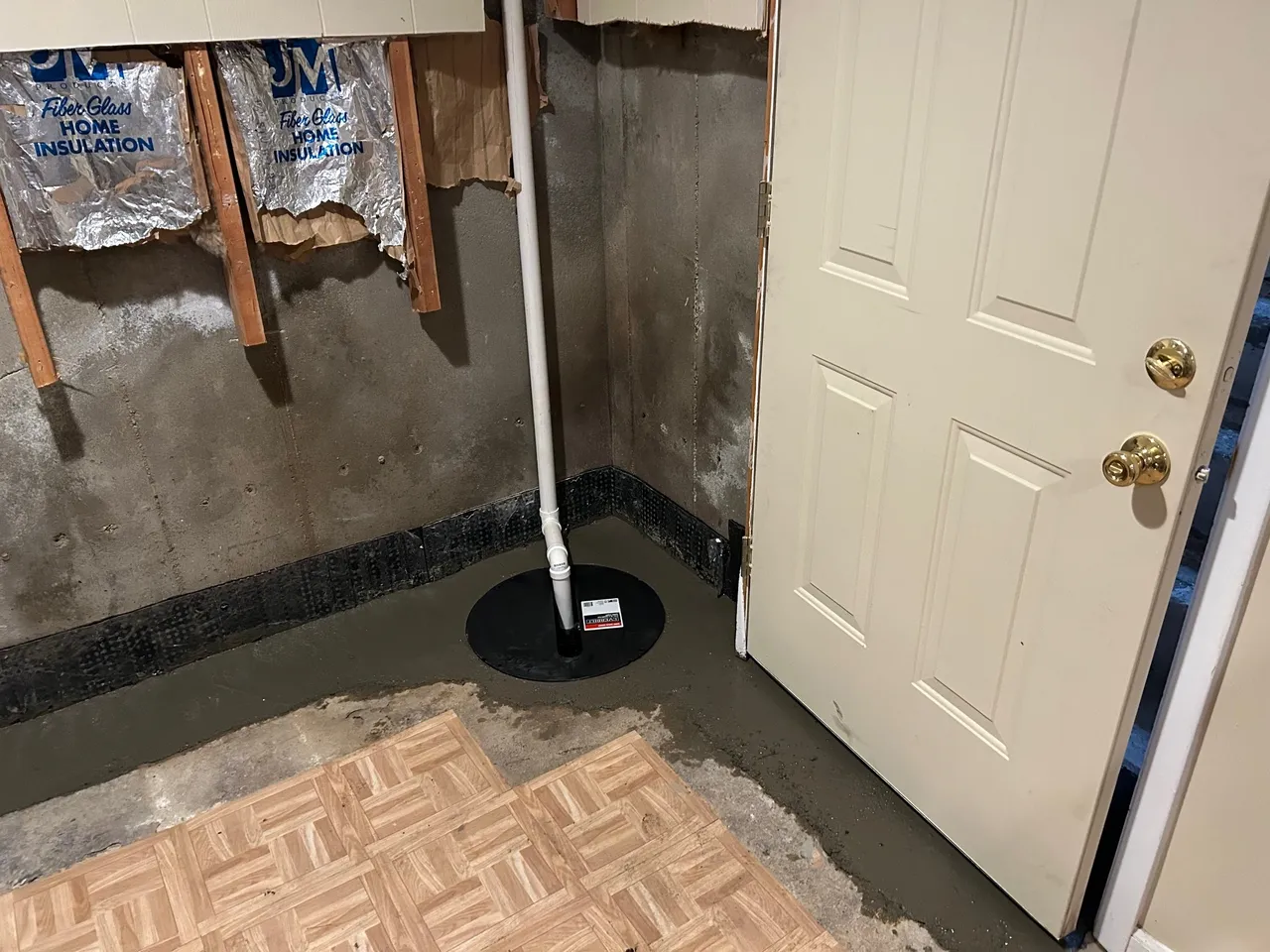
For the average Long Island home, an interior waterproofing setup is usually the “MVP” of solutions. Installing a French drain system around your basement perimeter, hooked up to a reliable sump pump, effectively “politely asks” the water to leave before it can do any real damage. This doesn’t just put a Band-Aid on the problem; it addresses the root cause of the pressure instead of just mopping up the symptoms every Tuesday.
We’ve been protecting Nassau and Suffolk County homes from the “Big Squeeze” of hydrostatic pressure for over 25 years. We know exactly how Long Island’s moody aquifer system behaves—it’s basically our neighbor at this point—and we know what it takes to keep your basement dry 365 days a year, rain or shine. Because let’s be honest, you already have enough to worry about on this Island without your house trying to become a submarine.