The Best Way to Seal Foundation Cracks in Coastal NY Humidity

Summary:

Long Island’s coastal climate creates unique challenges for foundation crack repair. High humidity, fluctuating water tables, and seasonal storms demand professional sealing methods built for these exact conditions. This guide explores why standard DIY approaches fail in humid environments and which foundation crack repair techniques actually stop water intrusion permanently. You’ll discover what works for Nassau and Suffolk County homes—and what wastes your money.
Table of contents
Water is the ultimate uninvited houseguest—it doesn’t knock, and it certainly doesn’t ask for permission. It sniffs out the tiniest crack in your basement and makes itself at home, especially here in Nassau and Suffolk where the humidity is a permanent resident and the water table is basically lurking just beneath your slippers. You’ve likely noticed the calling cards: that distinct “eau de damp” aroma and the wall stain that reappears like a recurring villain in a bad movie. Maybe you even tried the DIY sealant route, only to find that your “guaranteed” fix was about as effective as a screen door on a submarine roughly six months later. It’s not a lack of effort on your part; it’s just the environment being difficult. Long Island’s specific coastal cocktail—high water tables, soil that flip-flops between sand and clay, and salt-laden storms—means that a “standard” inland repair will surrender immediately when it’s this close to the Atlantic. Here is what actually stands its ground when you need to seal foundation cracks in a local climate that seems personally determined to test your house’s patience and your structural integrity.

Why Foundation Crack Repair Is Different in Coastal Long Island

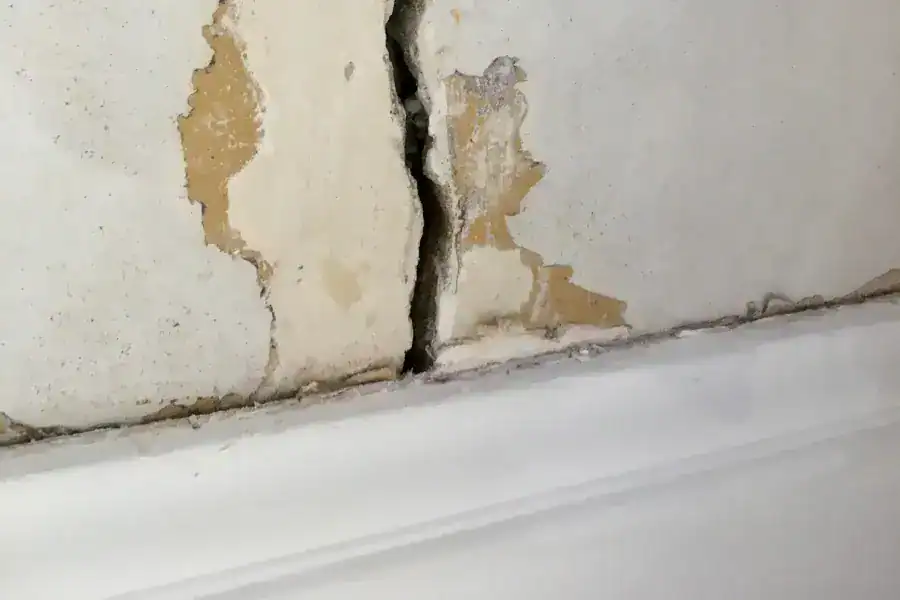
Concrete cracks everywhere. Shrinkage, settling, thermal stress—it’s normal. But on Long Island, cracks don’t just sit there.

They turn into active leaks. The humidity doesn’t let up. Groundwater stays high year-round. Rain doesn’t just fall—it saturates the soil, pushes against your foundation, and finds every opening.

A crack that might stay dry in Arizona becomes a water problem here. That’s why basement wall sealing methods have to account for constant moisture exposure, not just occasional wetness.

How Long Island's High Water Table Pressures Your Foundation

In Nassau and Suffolk, our houses are essentially sitting on top of a very large, very soggy sponge. When it rains or the snow melts, that water table doesn’t just “rise”—it gets aggressive, leaning against your basement walls like an uninvited linebacker trying to make the varsity team.

This is the joy of hydrostatic pressure. Saturated soil starts pressing against your foundation walls and floors, desperately searching for any tiny crack or seam to relieve its stress. Even a fracture thinner than your credit card becomes a VIP entrance for groundwater looking to ruin your weekend.

Surface-level “band-aids” simply don’t stand a chance. Smearing caulk or hydraulic cement over the crack from the inside is like trying to stop a flood with a “Keep Out” sign; it looks better for a minute, but the water outside is still pushing. Eventually, physics wins and your DIY patch gets evicted.

Professional foundation repair doesn’t just hide the problem; it fills the entire crack from the interior face all the way through the full thickness of the wall to the dirt outside. We’re not just covering up the “scar”—we’re physically eliminating the pathway water uses to crash your basement party.

Polyurethane foam injections are the undisputed heavyweight champions in these conditions. This material actually loves moisture—it uses water to cure and expand into every hidden void, creating a flexible, waterproof bond that doesn’t mind getting its hands dirty. It’s exactly the kind of stubbornness you need against Long Island’s persistent groundwater.

Why Long Island's Soil Makes Basement Wall Sealing More Complex

Long Island soil has a total identity crisis. Near the coast, you’re basically living in a giant sandbox; move inland, and you hit clay pockets that are as stubborn as a Long Island commuter in traffic. Both types create different stresses on your foundation, and both dictate which sealing methods will actually survive their next mood swing.

Sandy soil is the “fast and loose” type—it drains quickly but shifts easily. During a heavy downpour, water doesn’t just sit on the surface; it moves laterally, traveling sideways through the sand like it’s looking for a shortcut. It eventually slams into your basement walls from the side, putting your foundation in a very damp headlock.

Clay soil, on the other hand, is a hoarder—it holds onto water for dear life. It expands when wet and shrinks when dry, putting your foundation through a constant, grueling “push-pull” workout. This cycle can stretch and widen cracks over time, which is why using rigid, “unforgiving” repair materials is usually a recipe for a very short-lived victory.

This is exactly why the best professional repairs on the Island use materials that can actually handle a little movement. Polyurethane is the hero here because it stays flexible after it cures. It’s the “yoga instructor” of sealants—moving with the wall as the soil shifts and keeping that watertight seal intact even when the ground starts acting up.

Epoxy is a different beast entirely. It’s incredibly strong and rigid—literally tougher than the concrete itself—making it the “bodybuilder” choice for structural cracks that need some serious muscle. However, in areas where the soil is constantly shifting, a rigid repair might eventually snap under the pressure, much like a stubborn tree branch in a Nor’easter.

The winning strategy is matching the repair method to your home’s specific “dirt personality.” In Nassau and Suffolk, where the soil is unpredictable and the water table is always lurking, we have to understand exactly what’s happening outside your walls, rather than just staring at the damp spot on the inside.

A proper assessment looks at soil type, drainage patterns, and the “personality” of the crack before recommending a fix. Foundation repair isn’t a one-size-fits-all situation—not in a place where the weather changes as fast as the LIE traffic. Your home deserves a solution that’s as unique as its specific set of problems.

Professional Foundation Crack Repair Methods for Humid Climates

In the world of professional basement saves, there are two heavy hitters for internal repairs: polyurethane and epoxy injection. Both are elite at making water regret its life choices, but they’re designed for very different “foundation dramas.

Polyurethane is a foam that essentially uses water as its morning coffee—it’s activated by moisture, making it perfect for Long Island’s “eternally damp” basements. It expands into every tiny, hidden void like an overeager houseguest, creating a flexible, waterproof seal that can actually roll with the punches (and shifts) when your foundation moves.

Epoxy is the “no-nonsense” resin that literally welds your concrete back together. It doesn’t expand, and it definitely doesn’t do yoga—it’s rigid, stubborn, and often stronger than the original wall. This is your go-to when a crack isn’t just a leak, but a structural “cry for help” that needs serious reinforcement.

Brick foundation with a visible crack surrounded by overgrown grass in a Long Island, NY yard, highlighting signs of structural damage

When Polyurethane Injection Works Best for Foundation Cracks

Polyurethane injection is the undisputed MVP when the primary mission is “make the water stop, now.” If your crack is actively weeping or your basement currently has the “tropical rainforest” vibe nobody asked for, polyurethane is the specific brand of magic you’re looking for to restore order.

The procedure starts by installing tiny injection ports along the crack’s length, followed by a surface seal to keep the material from making a mess of your laundry room. Then we begin the “bottom-up” injection—think of it as a very targeted, subterranean espresso shot for your foundation.

As the polyurethane travels in, it hunts down any moisture in the crack and uses it as fuel to start expanding. This isn’t just a surface patch; the foam swells to fill every microscopic nook and cranny through the entire thickness of the wall, all the way to the dirt outside.

Once it’s finished expanding, it forms a permanent, airtight seal. But here’s the kicker: it stays flexible. This is vital in a place like Long Island where foundations are constantly doing a slow-motion dance due to shifting soil, settling, and the annual “freeze-thaw” drama our winters provide.

One massive perk: polyurethane doesn’t need a dry environment to work. You don’t have to wait for the clouds to clear because water actually helps the foam cure. For Nassau homeowners battling persistent dampness, being able to fix a leak while it’s actually leaking is a total game-changer.

However, keep in mind that polyurethane isn’t a “bodybuilder” repair. It’s a world-class sealer, but it won’t give your concrete its original strength back. If your wall is bowing or your house is physically sinking into the abyss, foam alone isn’t the hero you need—you’ll need a more structural intervention.

When Epoxy Injection Is the Right Choice for Basement Wall Sealing

Epoxy injection is the heavy-duty solution for when your house isn’t just leaking, but having a bit of a structural “identity crisis.” If a crack is wide, located in a load-bearing area, or is the result of foundation movement that needs to be permanently stabilized, epoxy is the industrial-strength material of choice.

Think of epoxy as a two-part resin that basically welds your concrete back together. With a tensile strength of roughly 7,000 psi—compared to concrete’s relatively modest 300 to 700 psi—it’s essentially a “super-glue on steroids.” When it cures, it fuses both sides of the crack into a single, solid unit that is often tougher than the original wall.

The setup looks a lot like the polyurethane process—ports, surface seals, and low pressure—but epoxy is a bit more sophisticated. It doesn’t expand or “poof” out; instead, it uses capillary action to flow into every tiny, microscopic hairline fracture, ensuring the entire gap is filled with structural lava that refuses to leave a single void behind.

Once it’s set, epoxy is rock hard and incredibly rigid. While that rigidity is where its massive strength comes from, it also means it doesn’t “do” flexibility. If your foundation is still planning on shifting or settling, this rigid bond might eventually snap under the pressure, proving that in some scenarios, being “too strong” can actually be a liability.

Epoxy is also a bit of a diva when it comes to moisture—it absolutely hates water. If the crack is actively weeping or the concrete is damp, the bond won’t take properly. It’s the ideal choice for those stable, dry structural cracks that need a reinforcement pep talk rather than a temporary raincoat.

In many cases, we play “mix and match” with these technologies. You might have one structural crack that gets the epoxy treatment for strength, while a separate area gets a polyurethane injection or an interior drainage system to handle the actual water. It’s about building a multi-layered defense strategy for your home.

Ultimately, the right method depends on the “why” behind the crack, not just the “where.” That’s why we start with a professional assessment of the situation, rather than just jumping in with a product recommendation. We need to understand the personality of your foundation before we try to fix its problems.

Protecting Your Foundation in Nassau and Suffolk County

Foundation cracks aren’t like fine wine; they don’t get better with age and definitely don’t heal themselves while you aren’t looking. They widen, they weep, and they eventually invite mold and structural damage that costs thousands more than a proactive fix—turning a minor leak into a major financial headache.

Not every crack deserves the same treatment. Effective Long Island repairs must account for high water tables, shifting coastal soils, and our “uniquely” humid climate. This means using professional-grade materials and actually understanding the subterranean drama happening outside your walls, rather than just slapping a temporary band-aid on the inside.

If you’re spotting cracks, water stains, or that signature “damp gym bag” aroma, it’s time for a professional intervention. We’ve spent 25 years protecting Nassau and Suffolk homes with proven sealing methods that survive Long Island’s toughest moods. Your home is an investment; let’s keep it from becoming an unintentional indoor pool.