Summary:
The Most Common Basement Leak Symptoms Long Island Homeowners Miss
Most homeowners wait until they see standing water to worry about basement problems. That’s like waiting for chest pain to think about heart health. By then, you’re dealing with emergency repairs instead of prevention.
Long Island’s coastal location and varying soil composition create subtle warning signs that often go unnoticed for months. The sandy soils near the coast behave completely differently than the clay deposits found inland, but both can signal trouble long before you see obvious flooding.
The key is knowing what to look for and understanding that these symptoms often appear in combination, not isolation.
That Persistent Musty Smell Everyone Ignores
If your basement smells like old gym socks or damp cardboard, you’re not dealing with “basement smell”—you’re dealing with active water infiltration. This musty, dank odor comes from biocontaminants that thrive in wet environments, and it’s often the first sign homeowners notice.
Here’s what most people don’t realize: that smell can exist even when you can’t see water anywhere. Mold and mildew grow behind walls, under carpet padding, and in spaces you never check. The humidity from constant dampness creates ideal conditions for these organisms to flourish, and they’re releasing spores into the air your family breathes.
Don’t try to mask the problem with air fresheners or dehumidifiers alone. These might temporarily improve the smell, but they won’t solve the water infiltration that’s causing it. The source needs to be identified and eliminated, which requires understanding where water is entering your foundation and why.
In Long Island’s climate, this problem gets worse during humid summer months and after heavy rainfall. The combination of coastal moisture and poor ventilation in below-ground spaces creates a perfect storm for persistent odor issues that indicate bigger problems brewing behind your walls.
Water Stains and Discoloration That Tell a Story
Yellow, brown, or white stains on your basement walls aren’t just cosmetic issues—they’re historical records of water infiltration. Even if your basement feels dry right now, these stains prove that water has been there before, and it will return.
Water stains typically appear as discolored patches that seem to come down from the top of walls or spread horizontally along the foundation. They often show up near the floor-wall joint (called the cove) or around basement windows. The color tells you something about the water source: brown stains often indicate iron in groundwater, while white chalky deposits (efflorescence) show that water has been moving through your concrete or masonry.
What makes this particularly problematic in Long Island is the soil composition and water table variations. In areas with sandy soil, water moves quickly and can create intermittent staining that appears and disappears with weather patterns. Clay soils hold water longer, creating more persistent staining but also more predictable patterns.
The mistake most homeowners make is thinking these stains are harmless because they’re not actively wet. But surfaces need to be thoroughly saturated for these deposits to form, which means you’re dealing with serious water infiltration even if it’s not constant. The water that created those stains saturated the building material underneath, compromising its integrity and creating conditions for mold growth you can’t see.
Foundation Saturation and Hydrostatic Pressure Warning Signs
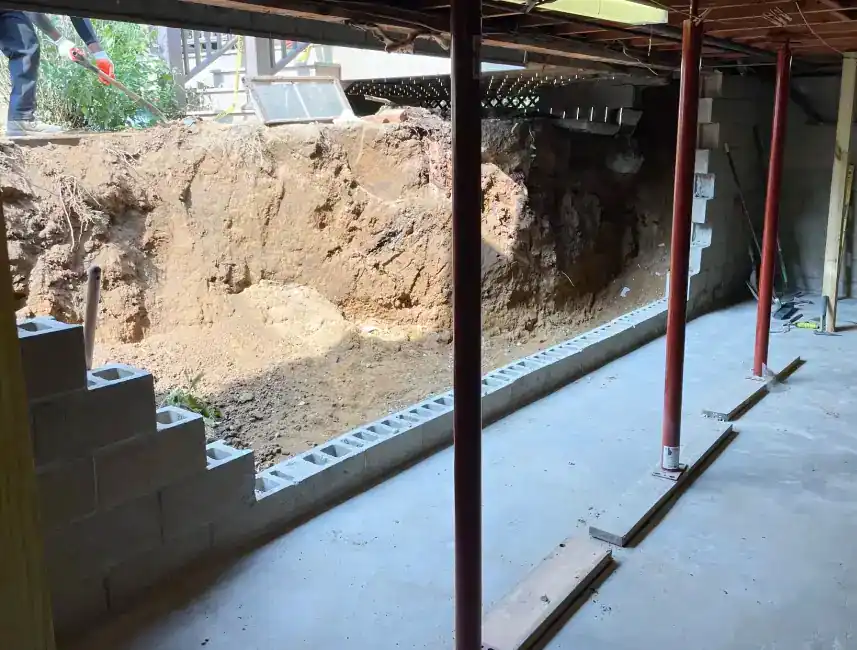
Long Island’s unique position as an island surrounded by water creates hydrostatic pressure challenges that mainland properties don’t face. When soil around your foundation becomes saturated—whether from heavy rainfall, snowmelt, or the naturally high water table—it creates immense pressure against your basement walls and floor.
Think of your foundation like a boat hull. Any small crack or porous area becomes a potential entry point for water under pressure. This pressure can be incredibly powerful, with saturated soil creating thousands of pounds of force against your foundation walls.
Understanding these pressure-related symptoms helps you identify problems before they become structural emergencies.
Standing Water and Recurring Puddles
Standing water in your basement isn’t just a cleanup problem—it’s a symptom of hydrostatic pressure that’s overwhelming your foundation’s ability to keep water out. This is especially common in Long Island homes because of the coastal location and the way groundwater behaves in different soil types.
Recurring puddles often appear in the same spots after heavy rain or during spring thaws. They typically show up near the foundation walls, in corners, or along the floor-wall joint where hydrostatic pressure is strongest. Even small puddles that seem to dry up quickly indicate that water is finding its way through your foundation under pressure.
The pattern of where water appears tells you something about the pressure source. Water coming up through floor cracks suggests pressure from below, while seepage along walls indicates lateral pressure from saturated soil. Window wells that fill with water during storms create additional pressure points that can overwhelm even well-built foundations.
What makes this particularly challenging in Nassau and Suffolk Counties is the variation in soil drainage between neighborhoods. Areas with sandy soil might see water appear and disappear quickly, while clay-heavy areas might have persistent moisture that builds pressure over time. Both situations can lead to the same result: water finding weak points in your foundation and exploiting them.
The key insight most homeowners miss is that standing water represents a failure of your current drainage system to handle the water load your property receives. This isn’t something that gets better on its own—it typically gets worse as small foundation cracks expand under repeated pressure cycles.
When DIY Solutions Stop Working
There’s a clear line between problems you can handle yourself and those that require professional intervention. Most Long Island homeowners cross this line when they start seeing multiple symptoms at once or when their DIY efforts provide only temporary relief.
DIY basement waterproofing typically involves store-bought sealants, waterproof paints, or small crack repairs that cost between $30-$300. These solutions can work for minor moisture issues, but they fail when dealing with structural problems, hydrostatic pressure, or water infiltration from multiple sources. The challenge is that many homeowners don’t recognize when they’ve moved from a maintenance issue to a structural problem.
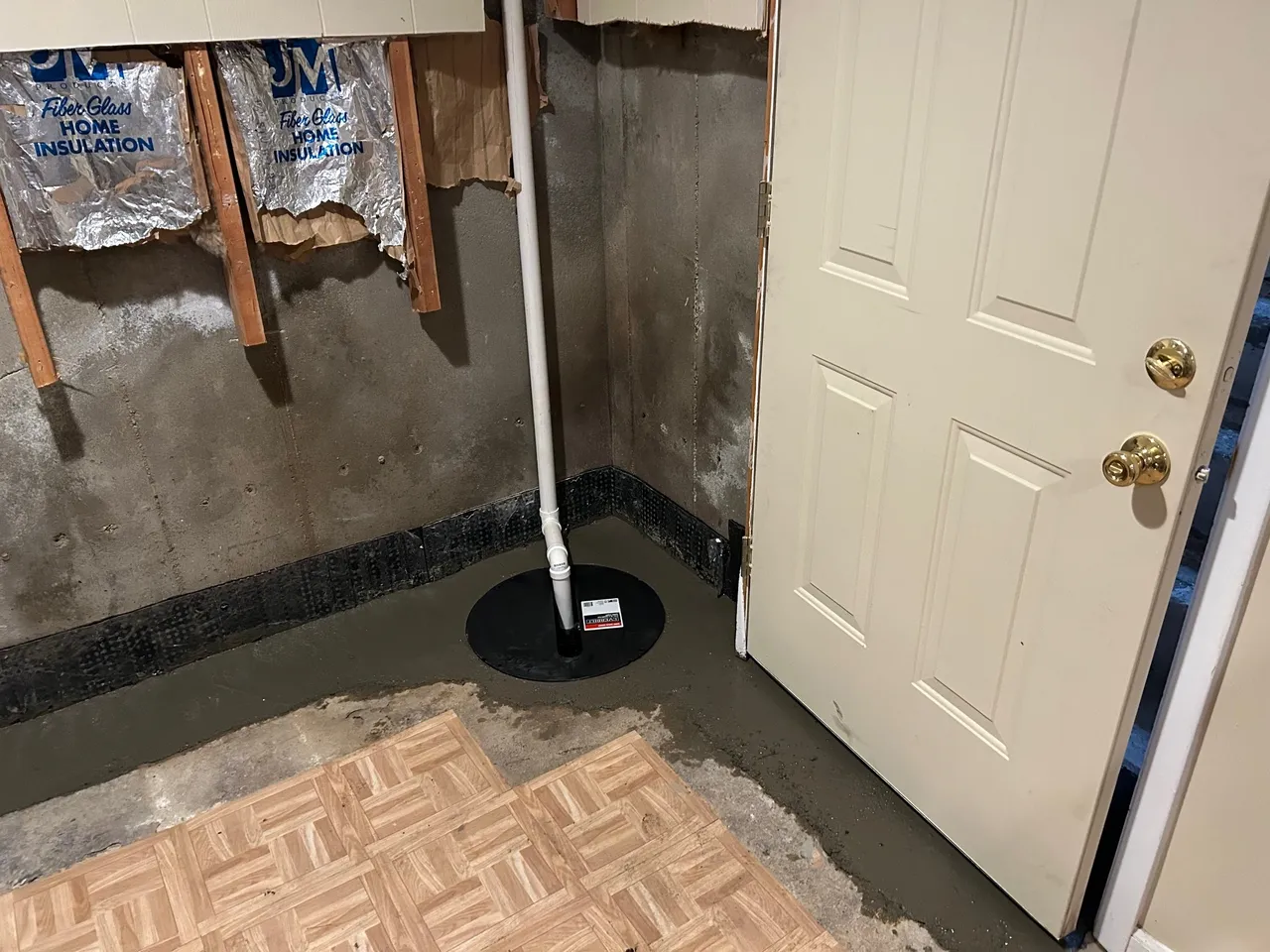
Professional waterproofing becomes necessary when you’re dealing with foundation cracks that reopen after repair, water that returns despite sealing efforts, or symptoms that appear in multiple areas of your basement. The cost difference is significant—professional systems range from $1,500-$15,000—but the long-term effectiveness and warranty protection often justify the investment.
The biggest mistake DIY enthusiasts make is treating symptoms instead of causes. You might successfully seal a crack, but if hydrostatic pressure created that crack, it will either reopen or cause new cracks elsewhere. Professional waterproofing addresses the root cause by managing water before it reaches your foundation, not just blocking it after it arrives.
Long Island’s unique challenges—varying soil types, coastal weather patterns, and high water tables—often require customized solutions that account for your specific property conditions. A professional assessment can identify whether you’re dealing with surface water management, groundwater infiltration, or structural issues that DIY approaches simply can’t address effectively.
Taking Action Before Small Problems Become Big Expenses
The seven warning signs we’ve covered—musty odors, water stains, standing water, recurring puddles, visible mold, foundation cracks, and DIY failures—rarely appear in isolation. When you start seeing multiple symptoms, your basement is telling you that water infiltration has moved beyond a simple maintenance issue.
Long Island’s unique environmental conditions mean that basement water problems tend to escalate quickly. The coastal location, varying soil types, and seasonal weather patterns create perfect conditions for minor leaks to become major structural issues. The homeowners who avoid costly emergency repairs are those who recognize these early warning signs and take action before water damage compromises their foundation.
If you’re seeing any combination of these symptoms, it’s time to get a professional assessment. We’ve been protecting Long Island homes for over 25 years, and we understand exactly how Nassau and Suffolk County conditions affect your basement’s health.