
 Interior Waterproofing
 Exterior Waterproofing
 Masonry
 Other services
Foundation Crack Repair in Island Park, NY
Stop Foundation Cracks Before They Cost You Thousands
Hear About Us

Foundation Repair Contractor in Island Park
No more water seeping through during storms. No more wondering if that crack is getting wider or if your basement wall is starting to bow.
When foundation crack repair in Island Park, NY is done correctly, you stop worrying about your property value tanking or a buyer walking away during inspection. You stop second-guessing whether you should’ve called someone sooner.
The right repair means your basement stays dry. Your foundation stays stable. And you’re not dealing with this again in two years because someone slapped epoxy over a structural problem and called it fixed.
Island Park homes—many built in the 1950s on fill soil—deal with settlement, clay soil expansion, and hydrostatic pressure that most contractors don’t fully understand. You need someone who knows the difference between a cosmetic crack and one that’s telling you the foundation is moving.
Island Park Foundation Crack Repair Experts
We’ve completed over 500 projects across Nassau and Suffolk Counties. We’ve seen what happens when cracks are ignored, patched wrong, or misdiagnosed by someone who doesn’t understand Long Island’s soil conditions.
Island Park sits on clay-rich soil that swells when wet and shrinks when dry. That cycle puts constant pressure on your foundation. Add in coastal flooding patterns and aging construction, and you’ve got a recipe for cracks that aren’t just cosmetic.
We don’t push expensive solutions you don’t need. If a crack can be sealed with polyurethane injection, we’ll tell you. If it needs carbon fiber wall straps or wall underpinning in Island Park, NY because the foundation is compromised, we’ll explain why and show you what’s happening.
Foundation Crack Repair Process Island Park
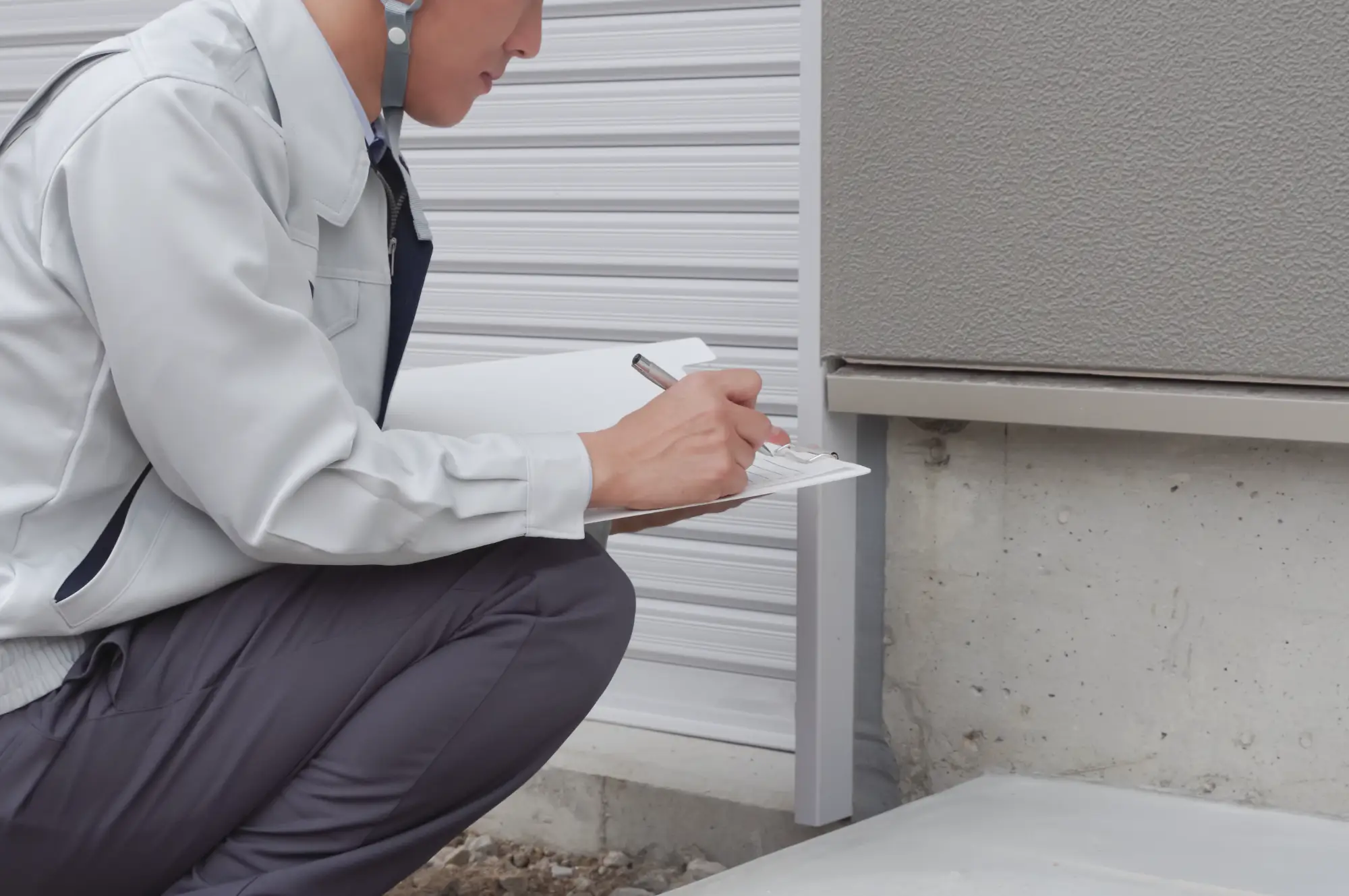
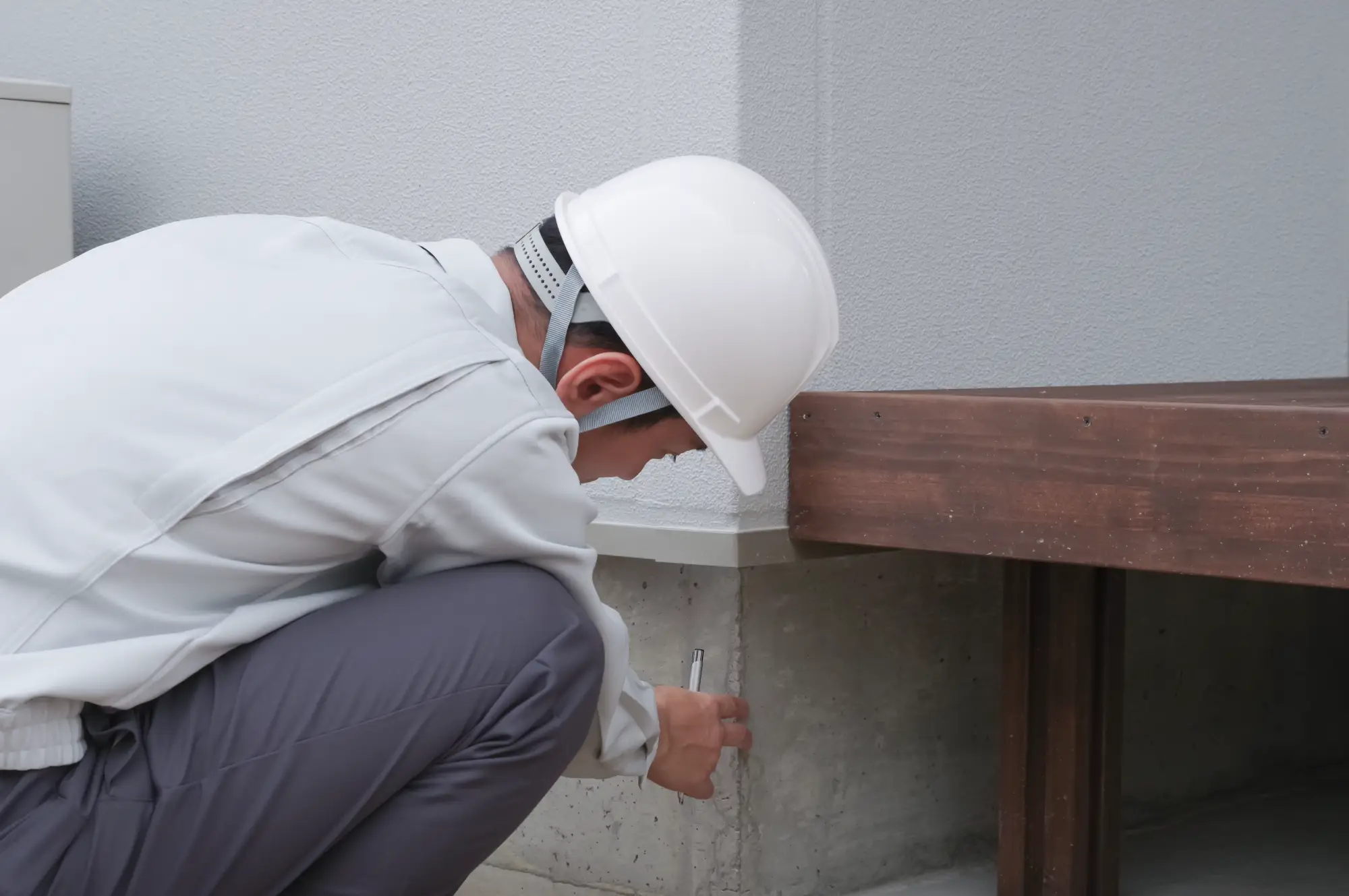
First, we inspect the crack—and the area around it. We’re looking at width, location, direction, and whether there are foundation settlement signs in Island Park, NY like bowing walls, stair-step patterns in masonry, or water stains.
Then we determine the cause. Is this hydrostatic pressure from poor drainage? Soil settlement? Structural movement that needs reinforcement?
Once we know what’s driving the crack, we recommend the right fix. That might be epoxy or polyurethane injection for non-structural cracks. It might be carbon fiber wall straps in Island Park, NY if the wall is bowing. Or it could involve addressing drainage issues with a French drain or exterior waterproofing to stop water from building up against the foundation in the first place.
We explain what we’re doing and why. You’ll understand the repair before we start. And when we’re done, the work is backed by a warranty—not a handshake and a hope.
Ready to get started?
Foundation Settlement Signs in Island Park
You’re not just getting a crack filled. You’re getting a diagnosis, a repair plan, and a solution that addresses the root cause.
If the crack is active and the wall is moving, we’ll stabilize it with carbon fiber reinforcement or steel bracing. If water intrusion is part of the problem, we’ll tie in drainage work—whether that’s a sump pump installation, exterior waterproofing membrane, or regrading around the foundation to redirect water away from the house.
Island Park homeowners deal with unique challenges. Homes near the water face higher moisture levels. Older properties on fill soil are prone to settling. Clay soils expand during wet seasons and contract during dry spells, creating pressure that leads to horizontal cracks and bowing walls.
We’ve handled pier and beam repair in Island Park, NY for homes with crawl spaces. We’ve reinforced basement walls that were starting to lean inward. And we’ve sealed hundreds of cracks before they turned into flooding problems.
You’ll know the house leveling cost in Island Park, NY upfront if that’s what’s needed. No surprises. No upselling. Just honest assessment and quality work.
How do I know if my foundation crack is serious or just cosmetic?
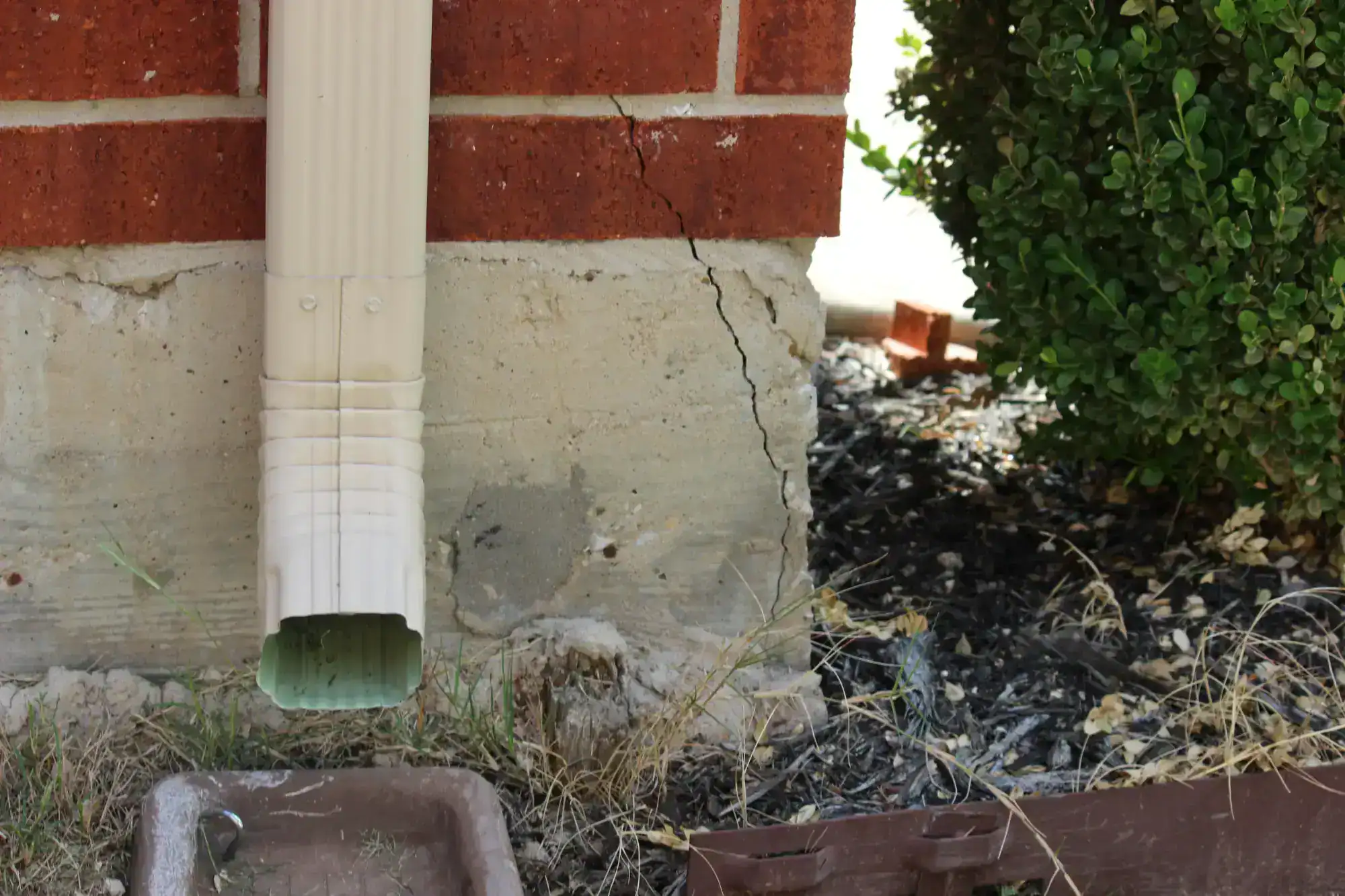
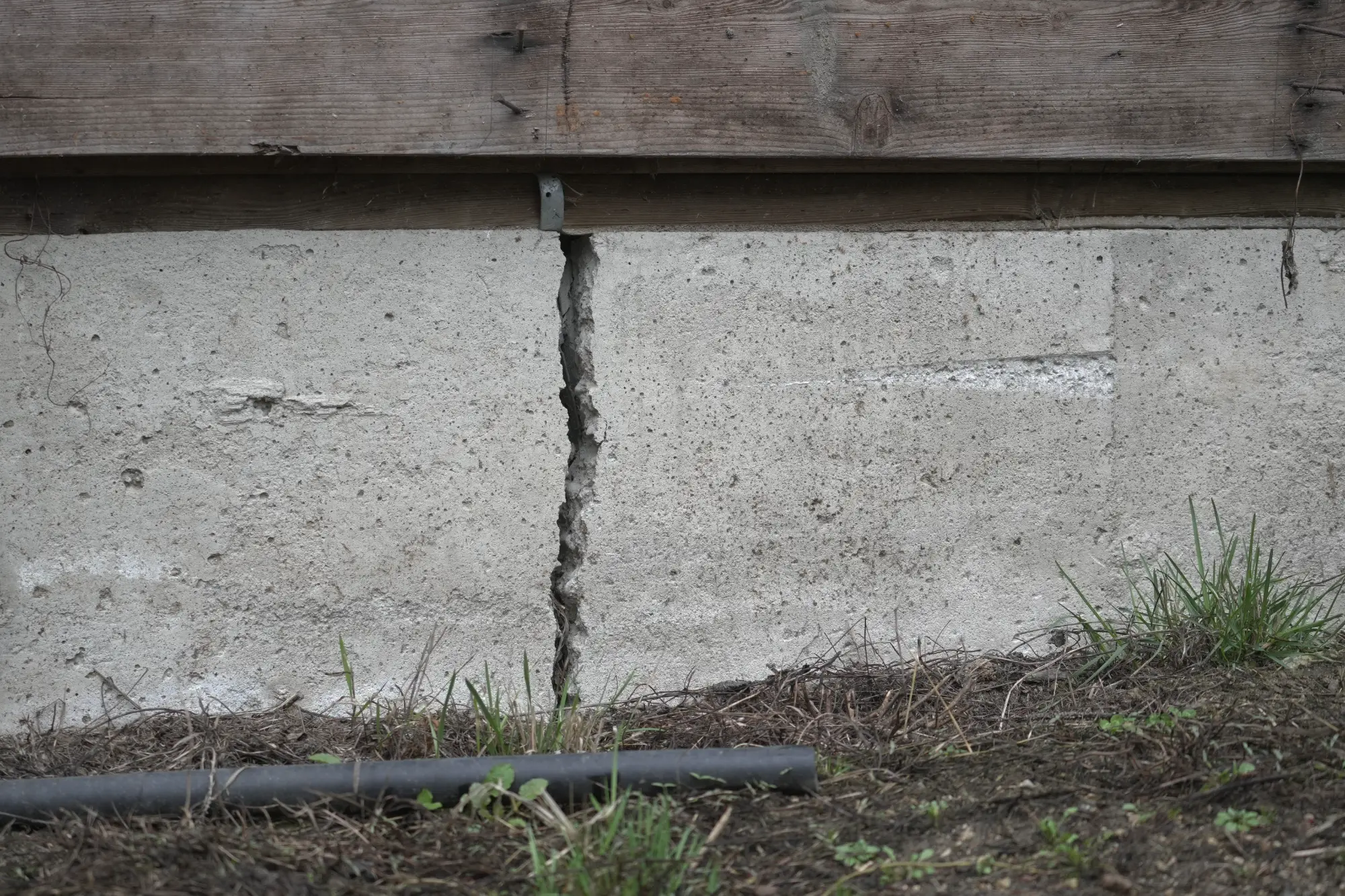
Width, direction, and location tell you most of what you need to know. Vertical cracks less than a quarter-inch wide are usually cosmetic—caused by concrete curing or minor settling. They’re common and rarely a structural concern.
Horizontal cracks, stair-step cracks in block foundations, or cracks wider than a quarter-inch are different. Those often point to pressure from soil movement, water buildup, or foundation settlement. If the crack is growing, if you see water coming through, or if the wall is bowing inward, that’s structural.
In Island Park, NY, clay soil creates cycles of expansion and contraction. That movement stresses foundation walls over time. If your home was built in the 1950s or 60s on fill soil, you’re more likely to see settling and cracking as the ground shifts. The best move is to have someone who understands local soil conditions take a look before the problem gets worse.
What's the difference between epoxy injection and carbon fiber straps for foundation cracks?
Epoxy and polyurethane injections are for sealing cracks that aren’t structural. If the foundation isn’t moving and the crack is just letting in water or air, injection fills the gap and stops intrusion. Polyurethane works well for active leaks because it expands and flexes. Epoxy is rigid and bonds the concrete back together.
Carbon fiber wall straps in Island Park, NY are for stabilizing walls that are bowing, leaning, or under pressure. If the foundation is moving—or at risk of moving—injection won’t solve the problem. You need reinforcement. Carbon fiber is five times stronger than steel, doesn’t stretch, and can be installed without major excavation or disruption.
We use carbon fiber when the wall needs to be held in place to prevent further movement. It’s bonded directly to the wall with epoxy, creating a permanent support system. The straps are thin, lay flat, and can be painted over. If you’re seeing horizontal cracks, inward bowing, or signs that the wall is shifting, carbon fiber is usually the right call.
How much does foundation crack repair cost in Island Park, NY?
For straightforward crack sealing with injection, you’re typically looking at $2,000 to $5,000 depending on the number and size of cracks. That’s for non-structural repairs where the foundation is stable and you’re just stopping water or air infiltration.
If the foundation needs stabilization—carbon fiber straps, wall anchors, or underpinning work—the cost goes up because the scope is bigger. Reinforcement projects can range from $5,000 to $15,000 or more depending on how much of the wall is affected and what’s required to stop the movement.
Waiting makes it worse. A crack that could’ve been sealed for a few thousand dollars can turn into a bowing wall that needs full reinforcement and drainage work. Island Park’s soil conditions and coastal moisture levels mean foundation problems don’t stay small for long. The sooner you address it, the less it costs. We’ll give you an honest assessment and a clear price before any work starts.
Can foundation cracks cause water problems in my basement?
Yes. Even small cracks let water through when hydrostatic pressure builds up outside the foundation. During heavy rain or when snow melts, water saturates the soil around your home and pushes against the foundation. Any crack becomes a path for water to seep inside.
In Island Park, NY, clay soil makes this worse. Clay doesn’t drain well, so water sits against your foundation longer. That increases pressure and forces water through cracks, gaps around pipes, or anywhere the concrete has weakened.
If you’re seeing damp spots, water stains, or puddles near the foundation wall after storms, the crack is letting water in. Left alone, that leads to mold, musty odors, damaged belongings, and eventually structural issues as the water undermines the foundation. Sealing the crack is part of the fix, but you also need to address drainage—whether that’s regrading soil away from the house, installing a French drain, or adding exterior waterproofing to keep water from building up in the first place.
What are the signs my foundation is settling in Island Park?
Doors and windows that stick or won’t close properly are often the first sign. When a foundation settles unevenly, it shifts the frame of the house. You’ll notice gaps between the door and the frame, or windows that used to open smoothly now bind.
Cracks in drywall—especially around door frames, windows, or where walls meet the ceiling—are another indicator. Stair-step cracks in exterior brick or block are a clear sign of settling. Floors that slope or feel uneven, or gaps between the wall and floor, also point to foundation movement.
Island Park homes built on fill soil are particularly vulnerable. Fill compacts over time, and if it wasn’t properly compacted during construction, the foundation can settle as the soil shifts. You might also see cracks in the foundation itself, separation between the chimney and the house, or gaps around exterior trim. If you’re noticing multiple signs, it’s worth having someone assess whether you need pier and beam repair in Island Park, NY or other foundation stabilization work before the settling causes more damage.
How long does foundation crack repair take in Island Park, NY?
Most crack injection repairs take a few hours to a full day depending on how many cracks need sealing and how accessible they are. The process involves drilling injection ports, pumping in epoxy or polyurethane, and allowing time for the material to cure. You can usually use the space the same day, though full curing takes 24 to 48 hours.
Carbon fiber wall strap installation is also relatively fast—usually one to two days for a typical basement. The work involves surface prep, bonding the straps to the wall with epoxy, and allowing the adhesive to cure. It’s not loud, doesn’t require major excavation, and doesn’t tear up your yard.
If the repair involves drainage work, exterior waterproofing, or underpinning, the timeline extends. Excavation and exterior membrane installation might take several days depending on access and scope. Wall underpinning in Island Park, NY—where sections of the foundation are reinforced or stabilized with piers—can take a week or more depending on conditions. We’ll give you a realistic timeline upfront so you know what to expect and can plan accordingly.
Other Services we provide in Island Park