Landscaping for Drainage: Aligning Your Spring Planting with Foundation Safety

Summary:

When spring arrives on Long Island, homeowners rush to refresh their yards—but landscaping decisions made now can either protect or compromise your foundation’s integrity. This guide reveals how to align your spring planting with foundation safety, covering proper yard grading in Suffolk County, strategic mulch placement, plant distance guidelines, and drainage tips that prevent basement water problems. You’ll learn the technical standards Long Island soil demands, common mistakes that lead to costly repairs, and how to beautify your property without risking your home’s structural health.
Table of contents
You’re planning your spring garden. The nursery trip is officially on the calendar. You’ve picked out the shrubs, the mulch, and maybe a few “statement” flowering plants to line the front of your house and make the neighbors jealous. But here is the part most Long Island homeowners miss until they’re staring at a puddle: where you dump that mulch and how you grade the dirt around those new plants will decide if your basement stays dry or becomes your home’s newest (and most expensive) indoor swimming pool. Spring maintenance is about more than just winning the neighborhood curb appeal wars—it’s about protecting the thousands of dollars currently holding up your house. This isn’t a scare tactic designed to ruin your gardening high; it’s just soil science, drainage physics, and 25 years of watching Nassau and Suffolk homes either work in harmony with their landscape or lose a very soggy, very expensive battle against it.

Why Spring Landscaping Decisions Impact Your Foundation

Spring feels like a fresh start, and the urge to out-landscape the neighbors is a powerful motivator. It’s perfectly normal to want your yard to be the crown jewel of the block—after all, your lawn is basically your suburban resume.

But Long Island isn’t exactly a place that rewards “winging it” with a shovel. Between the moody inland clay that expands like it’s at an all-you-can-eat buffet and the sandy coastal soil that shifts under your feet, the environment is constantly testing your patience. Toss in a high water table and spring rains that feel like a personal attack, and those tiny “normal” cracks quickly graduate into expensive structural emergencies.

Every spring choice you make—where you dump the mulch or how close you shove those hydrangeas to the siding—is either a “Keep Out” sign for water or a VIP backstage pass. Once water gatecrashes your basement, it doesn’t leave quietly; it brings mold, pressure, and a repair bill that makes your “premium rose bush” budget look like spare change for a vending machine.

How improper grading creates basement water problems

Your yard needs to slope away from the house. Not just a “looks about right” vibe—we’re talking a mandatory six-inch drop for every ten feet. This isn’t a suggestion; it’s the golden rule for keeping your basement from becoming a glorified aquarium.

Without that grade, rain has nowhere to go but toward your foundation. It pools in low spots, saturating the soil until it pushes against your walls with thousands of pounds of pressure. Cracks form, water seeps through, and your basement goes from “damp” to “scuba-ready” before you can find your galoshes.

Spring is the ultimate stress test. Snowmelt joins forces with April rains on ground that’s already soaked. Since the soil is full, any extra water becomes a surface-level trespasser, heading straight for the lowest point—which, if your grading is off, is usually the spot right next to your foundation.

Homeowners often miss this: grading problems are invisible until they become expensive. That tiny depression near your wall looks harmless, but it’s actually a collection point. Water sits there for days, patiently looking for any microscopic crack or gap it can exploit like a liquid burglar.

Fixing your grade isn’t complex, but it requires actual intent. You need to add soil, create a consistent slope, and compact it so it doesn’t settle again in six months. Crucially, do this before you start planting, because trying to fix the dirt once your shrubs are in is like trying to put on pants after your shoes.

Most Long Island homes older than 20 years have settled significantly. The soil around your foundation has compacted over decades, turning a once-perfect slope into a flat runway—or worse. Your spring routine should include a level and a measuring tape; if you aren’t seeing that six-inch drop, you’re essentially inviting the water table in for coffee.

The hidden cost of planting too close to your foundation

You see a beautiful little shrub at the nursery and the tag says it’ll hit four feet wide, but it looks so tiny in the pot that you plant it two feet from your house to “fill the gap.” Fast forward three years: that shrub is now hugging your siding like a needy relative, its roots are exploring your foundation, and every rainstorm turns its branches into a direct-delivery system for water right against your basement wall.

Plant placement isn’t just about making the neighbors jealous of your green thumb. It’s actually a high-stakes game of physics and biology where your foundation is either the winner or the unsuspecting victim.

Small shrubs need at least two feet of breathing room. Medium ones need three, and the big guys need four to five. Think of these distances as restraining orders, not suggestions. They’re based on mature size and root spread—if you plant too close, you’re basically inviting a structural mid-life crisis to move in permanently.

First, overgrown plants act like a giant green muffler for airflow. Your foundation needs to breathe to stay dry, but dense foliage traps moisture against your siding like a damp towel. That persistent wetness is basically a “Grand Opening” sign for mold growth, wood rot in your sill plates, and moisture infiltration through the walls.

Second, roots are essentially moisture-seeking missiles. During dry spells, they’ll burrow under your foundation looking for a drink, creating tiny underground “express lanes” for water to follow during the next storm. As they expand, they can exert enough pressure to widen existing cracks or create brand new ones, using your home as a very expensive planter.

Third, you’ve just made routine maintenance an Olympic sport. Good luck cleaning the gutters, washing the windows, or inspecting for cracks when you’re wrestling with a prickly juniper or a wall of ivy. That deferred maintenance compounds over time until those “little” issues turn into “sell-the-car” level repairs.

Fourth—and this is the sneaky one—plants completely wreck your drainage patterns. That shrub creates a low spot behind it where water loves to congregate, and the mulch you piled around it holds moisture like a giant sponge. Instead of dispersing evenly, roof runoff hits the leaf canopy and drips in concentrated streams exactly where you don’t want it: against your foundation.

Long Island’s stubborn clay soil makes this even messier because clay doesn’t drain; it hoards. When water pools in plant beds against your house, it just sits there, building up hydrostatic pressure and hunting for every microscopic crack to exploit. By the time you notice a damp spot in your basement, that water has likely been working its “magic” on your foundation for months.

Foundation drainage tips for spring landscaping Long Island

You can absolutely have the “Best Lawn on the Block” trophy and a bone-dry basement at the same time. The secret is to stop treating drainage like a boring afterthought and start treating it as the VIP guest it is—because a beautiful garden isn’t worth much if it’s just a fancy funnel for your indoor pool.

Start with the grade—the literal “slope of hope.” Before you drop a single cent on mulch or those expensive perennials, grab a level and a measuring tape. You’re aiming for a six-inch drop over the first ten feet from your foundation. If your yard is currently as flat as a pancake, add some soil and compact it like you mean it; this is the structural foundation for every other “pretty” thing you do this spring.

Once the slope is dialed in, it’s time for some light “storm chasing.” During the next heavy downpour, put on your raincoat and go outside to watch where the water actually goes. Is it politely retreating or charging at your house like a Viking raid? Seeing exactly where the puddles congregate in real-time is the only way to spot which areas are conspiring to ruin your drywall.

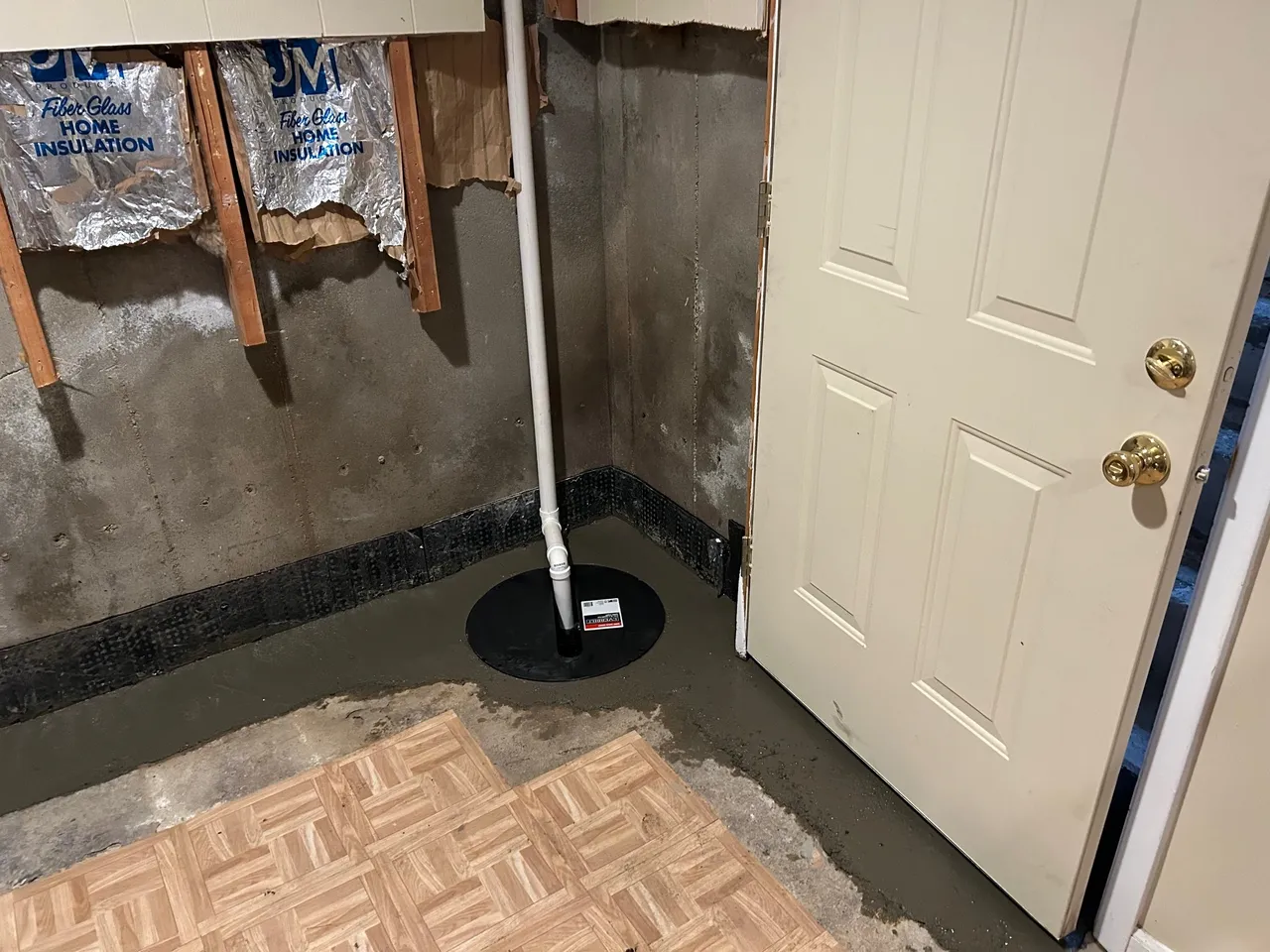
sump pump installation experts

Mulch placement and depth for foundation protection

Mulch is essentially the “tuxedo” of landscaping—it makes your flower beds look sharp, hides the weeds, and gives your yard that polished look that makes the neighbors jealous. However, piling it directly against your foundation is the suburban equivalent of a slow-motion disaster that you’re actually paying to facilitate.

You need to keep that mulch at least six inches away from your foundation walls—though twelve inches is the “gold standard” if you value your sanity. This gap isn’t just for show; it’s a vital breathing zone that lets moisture evaporate and gives you a clear line of sight to spot cracks, termites, or water damage before they turn into a full-blown financial crisis.

Depth is another area where “more” is definitely not “better.” Two to three inches is the sweet spot for keeping your plants happy without creating a problem. Anything deeper than that and you’ve moved from landscaping into “sponge-building,” creating a soggy layer that stays saturated for days after a spring rain and keeps the soil underneath perpetually grumpy.

Here is the physics of the problem: wood mulch absorbs water like it’s getting paid for it. When it touches your foundation, that moisture “wicks” into your walls via capillary action, meaning your house stays damp long after the clouds have cleared. This constant wetness is a VIP invitation for efflorescence, mold growth, and the kind of sill plate rot that eventually lets the water table move into your basement.

We also have to talk about the “Termite Buffet.” Organic mulch provides food, water, and luxury housing for colonies looking to expand their empire. By piling it against your house, you’re essentially building a high-speed, 5-star highway for termites to travel from the dirt straight into your wood framing—leading to repairs that will make your current landscaping budget look like pocket change.

For the area directly hugging your house, consider the “rock star” alternative. River rock, gravel, or decorative stone creates a drainage zone that refuses to hoard moisture. It’s not organic, so it won’t attract wood-eating roommates, and it allows for a quick visual check-up of your foundation while creating a very clear boundary between your “nature” and your “structure.”

If you’re a die-hard fan of the wood-chip look, you have to defend that six-inch gap with religious fervor. Check it every spring, because mulch is notoriously prone to “migrating” and settling as the weather shifts. What started as a perfectly safe buffer in April can easily disappear by July if you aren’t paying attention, leaving your foundation exposed once again.

Yard grading Suffolk County: What proper slope looks like

Grading isn’t rocket science, but it’s definitely not a “vibes-based” activity. Suffolk County soil—whether it’s that stubborn inland clay or the shifty coastal sand—requires a very specific slope to keep your basement from hosting an unplanned pool party. Think of it as giving the rain a very clear one-way ticket away from your house.

The industry standard is a five percent grade. In human terms, your yard should drop six inches in elevation for every ten feet it moves away from your foundation. That initial ten-foot drop is non-negotiable; it’s the difference between water politely leaving the premises and water deciding to move into your guest room permanently.

You can check your grade with a couple of stakes and a bit of string, which will make you look like a very dedicated amateur surveyor to your curious neighbors. Drive one stake by the house and another ten feet out. Tie a string between them, use a line level to get it perfectly horizontal, and measure the gap to the ground. If that far measurement isn’t at least six inches deeper, your “slope” is actually a trap.

If your yard is as flat as a pancake, you need to add soil—but don’t just grab the cheapest bag of “dirt” you find. You want clay-based fill right against the foundation because it acts like a structural raincoat, directing water outward. Save the fancy, nutrient-rich topsoil for the very top layer where your grass actually needs to look presentable.

Here is where the “Spring Fever” disaster usually begins: homeowners spend a fortune on mulch and shrubs without checking the grade first. It’s the landscaping equivalent of putting on your socks after your shoes. It looks great for a few weeks, but the first major Nor’easter will force you to rip out those expensive new hydrangeas just to fix the swamp brewing underneath them.

Save your future self some serious gray hair and do it right the first time: grade first, landscape second. Your plants will actually be happier because they aren’t drowning in waterlogged soil, and your basement will stay dry because the water knows it isn’t invited. Plus, you won’t have to redo the entire project next year when the drainage issues finally catch up to you.

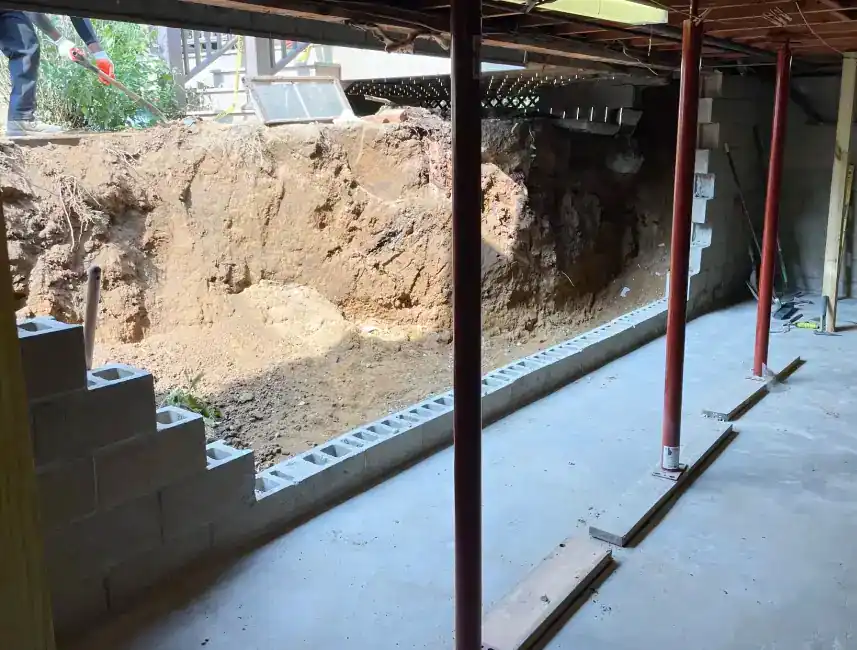
Long Island’s freeze-thaw cycles turn poor grading into a high-stakes game. Water that pools against your foundation doesn’t just sit there; it freezes and expands like a slow-motion jackhammer against your masonry. Small cracks eventually become wide-open “welcome mats” for leaks. Once water is pouring through your walls, you’re looking at professional repair bills that make the cost of a few yards of dirt look like absolute pocket change.

Protect your foundation this spring with smart landscaping choices

Spring maintenance is your one big chance to play offense before your basement forces you to play defense in a scuba suit. Checking your grade, giving your mulch a “restraining order” from your foundation, and planting shrubs at a respectful distance aren’t exactly rocket science—but they are the specific tasks that determine whether your basement stays dry or becomes the most expensive room in your house to ignore.

Long Island’s unique cocktail of moody soil, erratic weather, and a rising water table has a zero-tolerance policy for shortcuts. However, it does reward a little attention to detail. When you landscape with an eye for drainage, you aren’t just boosting your curb appeal—you’re actively shielding your home’s structural integrity and avoiding the kind of foundation sagas that turn a fun spring project into a year-long financial horror movie.

If you’re spotting puddles where they don’t belong, if your yard’s slope looks suspiciously flat, or if you just want a professional set of eyes on the property before you start digging, we’ve spent 25 years as Nassau and Suffolk’s resident “dirt whisperers.” We know Long Island’s drainage drama inside and out, and we’ll give you the straight talk on what your property actually needs to stay dry—not just what sounds good in a high-pressure sales pitch.