
 Interior Waterproofing
 Exterior Waterproofing
 Masonry
 Other services
Basement Waterproofing in Medford, NY
Dry Basements That Stay Dry
Hear About Us

Wet Basement Solutions in Medford, NY
You stop worrying every time it rains. Your belongings stay safe. That musty smell disappears.
Basement waterproofing in Medford, NY isn’t just about keeping water out. It’s about reclaiming usable space in your home. It’s about not having to move everything off the floor before a storm hits.
Long Island sits on top of a high water table with the Atlantic on one side and the Sound on the other. Millions of underground streams connect everything in between. That creates hydrostatic pressure your basement deals with constantly—pressure that homes in other regions simply don’t face.
When we waterproof your basement, you’re getting protection designed specifically for these conditions. Interior and exterior waterproofing methods that account for Medford’s soil composition, water table depth, and seasonal freeze-thaw cycles.
Most installations finish in a day or two. You get a 5-year warranty. And you stop thinking about your basement every time the forecast calls for rain.
Medford, NY Basement Waterproofing Contractors
We’ve been serving Nassau and Suffolk Counties since 2000. We’ve seen every type of basement water problem Medford homes face.
Over 500 completed projects. More than 150 customer reviews. Licensed in Nassau County (H2216770000), Suffolk County (HI67081), and the Town of Freeport (19283).
We’re not general contractors who dabble in waterproofing. This is what we do. Masonry and waterproofing—interior and exterior—with crews who understand how Long Island’s soil conditions and older home construction create unique challenges. We’ve worked throughout Baldwin and Nassau County long enough to know that sandy soil near Long Beach behaves completely differently than the clay found in areas like Medford.
Basement Waterproofing Process in Medford, NY
First, we inspect your basement to identify where water’s entering and why. Foundation cracks, floor seepage, wall moisture—each problem has a specific cause that needs a specific solution.
If you need interior waterproofing, we typically install a French drain system along the perimeter of your basement floor. This captures water before it surfaces and directs it to a sump pump that removes it from your home. We seal foundation cracks and apply waterproofing membranes where needed.
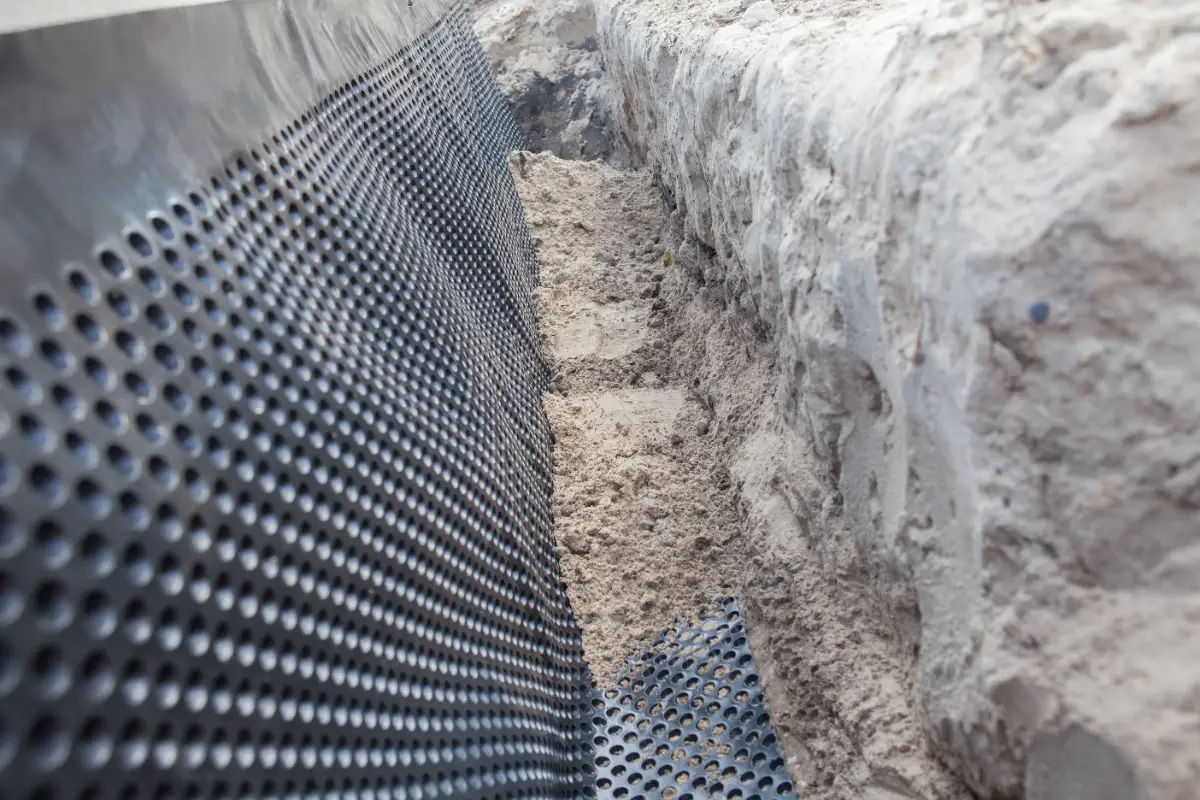
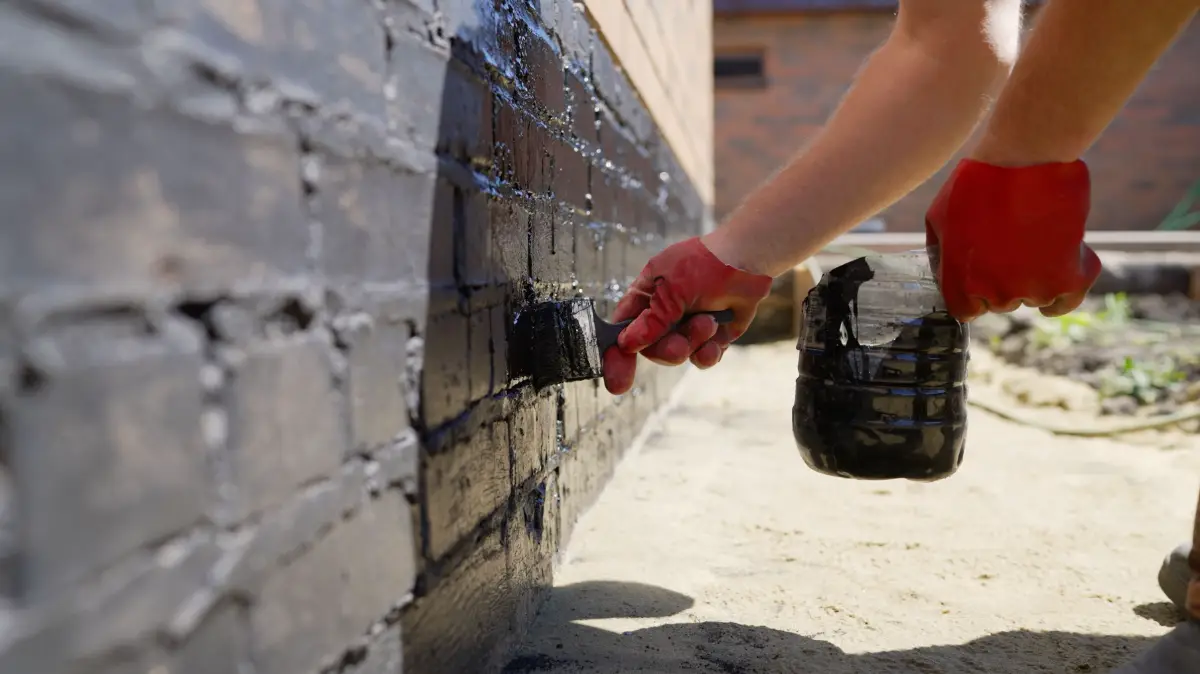
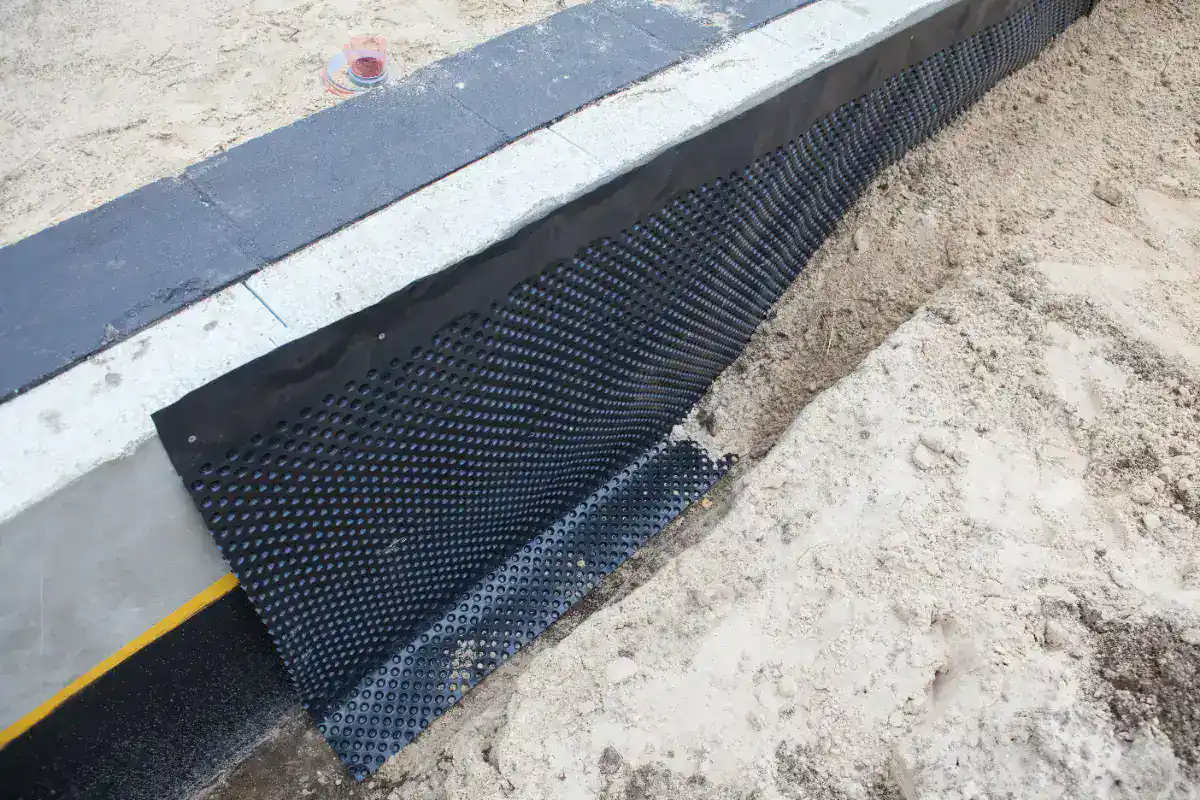
For exterior waterproofing, we excavate around your foundation, apply a waterproof barrier directly to the exterior walls, and ensure proper grading so water flows away from your home instead of toward it. We install or repair window well drainage and address any issues with your foundation that could let water through.
Sometimes you need both interior and exterior solutions. That depends on your specific situation—how old your home is, what your soil conditions are, where the water’s coming from. We’ll tell you exactly what you need and why.
Most jobs finish in one to two days. We clean up completely. And you get a warranty that backs up the work.
Ready to get started?
French Drain Installation in Medford, NY
Basement waterproofing in Medford, NY means addressing the root cause, not just the symptoms. We handle foundation crack repair, French drain installation, sump pump systems, exterior waterproofing membranes, basement mold prevention, and proper foundation grading.
Long Island’s clay soil is dense and acts like a natural barrier to water movement. When it was compacted during your home’s construction, it created an impermeable layer that retains water. That leads to standing water around your foundation and increased hydrostatic pressure against your basement walls and floor.
Over 60% of basements in existing homes have a moisture problem. Around 38% develop mold and fungus growth. Most new homes develop a leak somewhere within 10 to 15 years of being built.
We use materials designed for Long Island’s specific conditions. Our crews know how to work with the soil here. And we surface hidden issues other contractors miss—overlooked foundation cracks, termite damage, structural concerns that need addressing before we seal everything up.
You’re not getting a band-aid solution that fails in two years. You’re getting permanent wet basement solutions that account for everything Medford’s environment throws at your foundation.

Should I choose interior or exterior waterproofing for my Medford basement?
It depends on where the water’s coming from and what’s causing the pressure. Interior waterproofing handles water that’s already making its way into your basement—it manages it and removes it before it causes damage. Exterior waterproofing stops water before it ever reaches your foundation walls.
If your home is older and you’re dealing with foundation cracks or consistent seepage, exterior waterproofing often makes the most sense because it addresses the problem at the source. But excavating around your entire foundation isn’t always necessary or practical.
Interior vs exterior waterproofing isn’t an either-or decision. Many Medford homes need both. A French drain system inside manages groundwater and hydrostatic pressure. Exterior waterproofing membranes and proper grading keep bulk water away from your foundation. Together, they create a complete barrier that handles Long Island’s high water table and heavy seasonal rainfall.
We’ll inspect your basement, explain what’s happening, and recommend the approach that actually solves your specific problem.
How does Long Island's high water table affect my basement?
Long Island’s water table sits high enough in many areas that pressure builds under your basement slab after rain or snowmelt. Concrete is porous by nature—it allows water movement even without obvious cracks.
When soil around your foundation becomes saturated from heavy rainfall, snowmelt, or the naturally high water table, it creates immense pressure against your basement walls and floor. That’s hydrostatic pressure, and it will find any weak point in your foundation to push water through.
In Medford, you’re dealing with clay soil that doesn’t drain well. Water sits around your foundation instead of percolating down and away. That constant saturation means constant pressure. Over time, that pressure causes cracks, bowing walls, and persistent moisture problems.
Basement waterproofing systems designed for Long Island account for this. French drains relieve hydrostatic pressure by giving water a path of least resistance—into the drainage system instead of through your foundation. Sump pumps remove that collected water. Exterior waterproofing and proper grading reduce how much water reaches your foundation in the first place.
What's the difference between a French drain and a sump pump?
A French drain is a trench filled with gravel and a perforated pipe that collects water and directs it somewhere else. A sump pump is the mechanical system that actually removes that water from your basement.
They work together. The French drain installation in Medford, NY typically runs along the interior perimeter of your basement floor, just inside the foundation walls. As water seeps through your foundation or up through the floor, it flows into the French drain instead of pooling on your basement floor.
That French drain channels the water to a sump pit—a hole in your basement floor where the sump pump sits. When water fills the pit to a certain level, the pump kicks on and pushes that water out of your home through a discharge pipe.
Without the French drain, water would need to flood your basement floor before reaching the sump pump. Without the sump pump, the French drain would collect water but have nowhere to send it. You need both components for an effective interior waterproofing system that handles Long Island’s groundwater and hydrostatic pressure.
How long does basement waterproofing last in Medford, NY?
Properly installed basement waterproofing should last decades. The materials we use—waterproofing membranes, drainage systems, sump pumps—are designed for long-term performance when installed correctly for your specific conditions.
Your sump pump has mechanical parts that will eventually need replacement, usually after 7 to 10 years of regular use. That’s normal maintenance. The French drain system, foundation crack repairs, and exterior waterproofing membranes should continue working well beyond that.
What matters most is whether the system was designed for Medford’s soil conditions and water table in the first place. A generic approach that doesn’t account for Long Island’s clay soil and high water table will fail faster. Materials that aren’t rated for freeze-thaw cycles will deteriorate.
We back our basement waterproofing work with a 5-year warranty because we’re confident in how we install it. But the real longevity comes from using the right solution for your specific situation—not the cheapest option or the fastest fix, but the one that actually addresses why water’s entering your basement.
Will waterproofing my basement prevent mold growth?
Basement mold prevention in Medford, NY starts with eliminating moisture. Mold needs water to grow—it starts within 24 to 48 hours of water exposure and spreads behind walls, under flooring, into spaces you can’t easily reach.
If your basement stays dry, mold doesn’t have what it needs to grow. Basement waterproofing removes the moisture source by keeping water out of your basement and managing any groundwater that does make its way in.
But if you already have mold, waterproofing alone won’t remove it. You’ll need mold remediation first—proper removal and treatment of affected areas. Then waterproofing prevents it from coming back.
Around 38% of basements with moisture problems develop mold and fungus growth. That’s not just a cosmetic issue. It affects your indoor air quality and can impact your family’s health. It also reduces your home’s value—water leakage and mold growth can lessen property value by up to 25% according to real estate sales statistics.
Waterproofing your basement eliminates the conditions mold needs. No moisture means no mold growth. That’s how you keep your basement dry and your indoor air clean.
How much does basement waterproofing cost in Medford, NY?
Basement waterproofing costs depend on what your specific situation requires. A straightforward interior French drain and sump pump installation costs less than full exterior excavation and waterproofing. Foundation crack repairs, drainage improvements, and mold remediation all affect the total.
What you’re really paying for is a permanent solution to your water problem. Homeowners generally see about a 30% return on investment from basement waterproofing. Properly waterproofed basements can increase home value by up to 10%. Homes with waterproofed basements sell for up to 30% more than comparable homes with water issues.
Compare that to the cost of not waterproofing. Repeated water damage, mold remediation, ruined belongings, structural deterioration—those expenses add up quickly. Over the course of a 30-year mortgage, your chances of suffering a flooded basement are more than five times greater than your chances of suffering a fire.
We’ll give you a clear estimate based on what your basement actually needs. No upselling. No unnecessary add-ons. Just the solution that fixes your problem the right way, with materials and methods designed for Long Island’s conditions.
Other Services we provide in Medford